To properly install a weld neck flange in high-pressure situations, you need to be precise, use the right tools, and follow industry standards. To get the best performance, the process includes carefully preparing the ends of the pipes, making sure they are lined up correctly, carefully controlling the welding process, and tightening the bolts in a planned way. When put correctly, these flanges make connections that are very strong and won't leak in harsh industrial settings where safety and dependability are very important.

Understanding Weld Neck Flanges and Their Critical Role in High-Pressure Systems
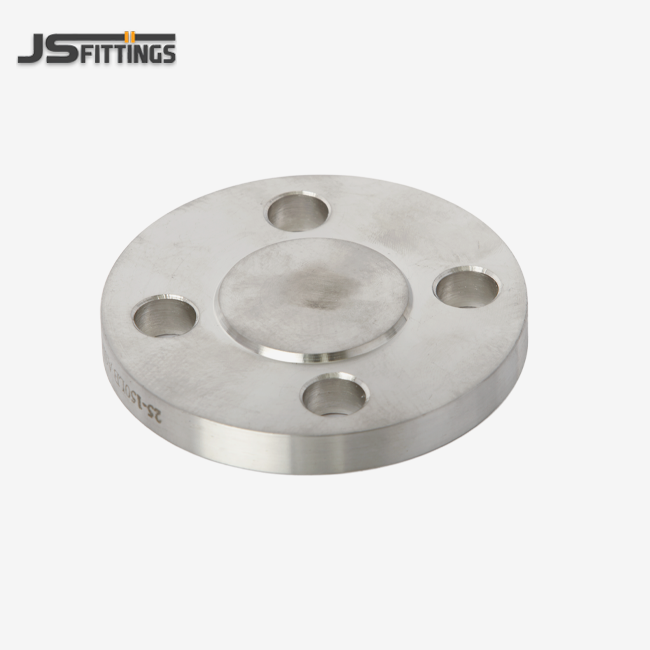
When it comes to connecting high-pressure pipe systems, weld neck flanges are one of the strongest options. These parts have a unique tapered hub that slowly moves from the pipe bore to the flange face. This makes a link that is stress-resistant and works great under high pressure. Because of their unique form, they distribute mechanical stress better than other types of flanges, which makes them essential for situations where system integrity can't be compromised.
When it comes to engineering, these flanges are top-notch because they can handle both internal and external forces while keeping their shape. The welded neck design, unlike slip-on or socket weld options, makes a continuous metal road that gets rid of any possible weak spots. These buildings are especially useful in places like petrochemical plants, power plants, and offshore sites where broken equipment could have terrible results.
The choice of material is very important for how well a plate works. For everyday use, carbon steel grades like ASTM A105 offer great value for money when it comes to strength, while stainless steel grades are better at resisting corrosion in harsh chemical conditions. Each choice of material affects how it is installed and how it needs to be maintained over time. This is why proper design is so important for the success of a project.
Essential Preparation Steps for Professional Flange Installation
A good fitting starts a long time before the first weld is made. To ensure the best conditions for high-quality work, thorough planning includes checking the materials, making sure the measurements are correct, and organizing the work area. This methodical technique lowers the risks of installation while increasing the reliability of the connection.
Several important steps in the planning phase have a direct effect on the quality of the installation:
- Material Certification Review: Make sure that all of the flanges meet the pressure values and ASTM standards that were given. Keep track of the material and make sure that its chemical makeup meets the needs of the service. This check stops expensive material fails and makes sure that regulations are followed.
- Check for Dimensional Accuracy: Check the diameter of the flange hole, the distance between the bolt holes, and the size of the face against engineering plans. Even small differences can cause alignment issues that lower the quality of the work and lower the system's performance.
- Preparing the Surface: Clean the ends of the pipes well to get rid of any dirt, scale, or old coatings that might affect the quality of the weld. How well the surface is prepared has a direct effect on how deep the weld goes and how strong the link is.
- Calibration of Equipment: Make sure that all welding equipment works within the limits that were set and that torque wrenches give accurate readings. When equipment is calibrated, the quality of the work stays the same across multiple connections.
These steps for getting ready lay the groundwork for skilled weld neck flange installation. Paying close attention to details during planning cuts down on the need for rework and makes the whole project run more smoothly.
Professional Installation Process: Step-by-Step Implementation
The steps for installation are standard in the business and are meant to produce consistent, high-quality results. Each step builds on the ones that came before it, making a methodical process that cuts down on mistakes and improves link integrity.
The installation method starts with preparing the pipe end. Cut pieces of pipe to exact lengths and make the right sharp angles based on the instructions for the welding process. The bevel angle, which is usually between 30 and 37.5 degrees, helps the weld go through properly and makes the joint stronger. Get rid of any burrs or sharp edges that might get in the way of fitting the flange or cause stress points.
When placing a flange, it's important to pay close attention to its direction and alignment. When you put the cap over the pipe end, make sure it fits right before you start the tack welds. Within certain limits, the flange face must line up perpendicular to the pipe axis. As the welding goes on, it gets harder and harder to fix any misalignment that happens at this point.
During full welding processes, tack welding holds the flange in place. Put tack welds in four evenly spaced spots around the edge, making sure that each one goes deep enough without adding too much heat. Placing the tack weld correctly keeps the flange in place during the welding process and stops warping.
Full welding is done according to qualified weld neck flange welding methods that spell out the types of electrodes, the current settings, and the order of the passes. Start with a root pass that completely penetrates the metal. Then, use fill passes to gently add thickness to the weld. Each pass should blend in easily with the material next to it, leaving no gaps or stress risers.
Post-weld inspection checks the quality of the connection by looking at it visually and, if needed, using non-destructive tests. Check that the weld shape is correct, that there are no cracks or holes, and that the joint is fully fused. According to the project's quality standards, write down the results of the review.
Quality Assurance and Testing Protocols
Thorough testing makes sure that the installation was done right and that the system is ready to go into business. Protocols for testing include both connection-specific checks and system-wide speed checks to make sure that quality is fully assured.
When the weld neck flange installation is put through hydrostatic testing, it is put under pressures that are higher than normal working conditions. This testing finds any possible flaws in the equipment before it is put into use, which gives people faith in the system's integrity. Test pressures are usually between 1.5 and 2 times the design pressure, but this depends on the rules and codes that apply.
Leak detection methods find even small problems with seals that could affect how well they work in the long run. Bubble testing, dye penetrant examination, and electronic leak detection all have their own benefits that depend on how easy the system is to reach and how sensitive it needs to be. Combining different ways of finding leaks gives a full picture of the problem.
Problems that installers often run into and how professionals can fix them
Problems with installation can come from a number of places, such as inconsistent materials or bad weather. Knowing about these possible problems and how to fix them lets you solve them before they happen, which keeps projects on schedule and meets quality standards.
One of the most common problems during installation is trouble with alignment. Misalignment of pipes can happen because of tolerances in the manufacturing process, base settlement, or thermal expansion. Professional workers deal with these problems by carefully measuring, strategically shimming, and sometimes making small changes in the field that keep the integrity of the system.
If you don't fix welding flaws properly in a weld neck flange, they can affect how well a link works. Some common flaws are insufficient penetration, porosity, and cracking in the heat-affected zone. Strategies for prevention focus on using the right welding techniques, heating up properly when needed, and controlling the rate of cooling to keep leftover stresses to a minimum.
Procurement Excellence: Sourcing Quality Flanges for Critical Applications
Strategic buying practices make sure that you can get high-quality flanges that meet the needs of your application while also maximizing the project's economics. To get the best results for a project, procurement that is done well combines technical requirements, delivery schedules, and cost factors.
When evaluating a supplier, you should look at their manufacturing skills, quality processes, and delivery performance. Look for manufacturers that have a lot of different certifications, like ISO 9001 for quality management and the right pressure equipment guidelines. These licenses show that quality control is done in a planned way, which means that products always work the same way.
Our automated painting production lines at JS FITTINGS are a great example of how to do good buying. They make sure that surfaces are always protected and look good. We make sure that our products meet worldwide standards like ASME B16.5 and ASTM specifications. This guarantees that the sizes and properties of the materials are correct. You can choose from a wide range of materials, from carbon steel to special stainless steel alloys. This lets you choose the best material for the job.
Customization features let you meet the specific needs of a weld neck flange project that standard goods can't. Our engineering team works with customers to come up with unique solutions that include non-standard sizes, different materials, and stricter testing rules. This flexibility is especially helpful for difficult situations where standard specifications might not cover service conditions well enough.
Conclusion
To install a weld neck flange correctly, you need to pay systematic attention to planning, technique, and quality control. Understanding the properties of the material, following set processes, and using thorough testing protocols are all important for success. When installed properly, these strong connections work reliably for decades in the toughest situations. Working with seasoned suppliers like JS FITTINGS guarantees access to top-notch goods and expert help that improve installation success and long-lasting performance.
FAQ
Q1: What pressure ratings are available for weld neck flanges?
A: Weld neck flanges come in ANSI pressure classes from 150 to 2500, so they can be used for everything from low-pressure systems to very high-pressure ones. According to ASME B16.5 standards, the exact rating relies on the type of material, the temperature, and the size of the flange.
Q2: How do weld neck flanges compare to slip-on flanges for high-pressure applications?
A: Because their hubs are curved, weld neck flanges are stronger and more resistant to fatigue than slip-on designs. Because of this, they are the best choice when connection dependability is very important because of high pressure, high temperature, or cyclic loading.
Q3: What welding steps are needed for a good installation?
A: Installation needs qualified welding methods that spell out the choice of electrode, the amount of heat needed for preheating, the temperatures between passes, and, if necessary, the heat treatment that should be done after the weld. The exact steps to take depend on the type of material, its thickness, and the working conditions spelled out in the welding codes that apply.

Partner with JS FITTINGS for Superior Weld Neck Flange Solutions
JS FITTINGS has the best weld neck flange solutions in the business and is ready to help you with your high-pressure piping tasks. Due to our four decades of manufacturing knowledge, advanced production tools, and full certification support, you can trust us to provide you with the best weld neck flanges for the toughest jobs.
Our automatic painting production lines make sure that the quality of the surface is always the same, and our wide range of materials can meet almost any service need. We can customize our services to meet your specific needs, and our full certification support makes the project approval process easier. Our engineering team makes goods that go above and beyond what you expect, whether you need standard flanges for everyday tasks or custom solutions for tough problems.
Quality assurance remains central to our manufacturing philosophy. Before it is shipped, every flange goes through strict testing and inspection to make sure you get goods that meet or exceed the requirements. Our dedication to quality has won the trust of clients around the world, who use our products for important infrastructure projects.
Use dependable, high-performance flanges that will last for a long time to change your high-pressure pipe projects. Email us at admin@chinajsgj.com to talk about your unique needs and find out how our experience can help your project succeed. You can find a lot of information about products and technical tools at chinajsgj.com.
References
1. American Society of Mechanical Engineers. "Pipe Flanges and Flanged Fittings: NPS 1/2 through NPS 24 Metric/Inch Standard." ASME B16.5-2020.
2. American Petroleum Institute. "Specification for Line Pipe Flanges." API Specification 6A, Twenty-first Edition, 2019.
3. American Welding Society. "Structural Welding Code for Piping and Tubing." AWS D1.1/D1.1M:2020.
4. ASTM International. "Standard Specification for Carbon Steel Forgings for Piping Applications." ASTM A105/A105M-21.
5. Pressure Equipment Directive Compliance Manual. "Guidelines for Pressure Equipment Design and Installation." European Commission, 2019.
6. National Association of Corrosion Engineers. "Materials and Fabrication Practices for New Pressure Vessels." NACE MR0175/ISO 15156-2020.