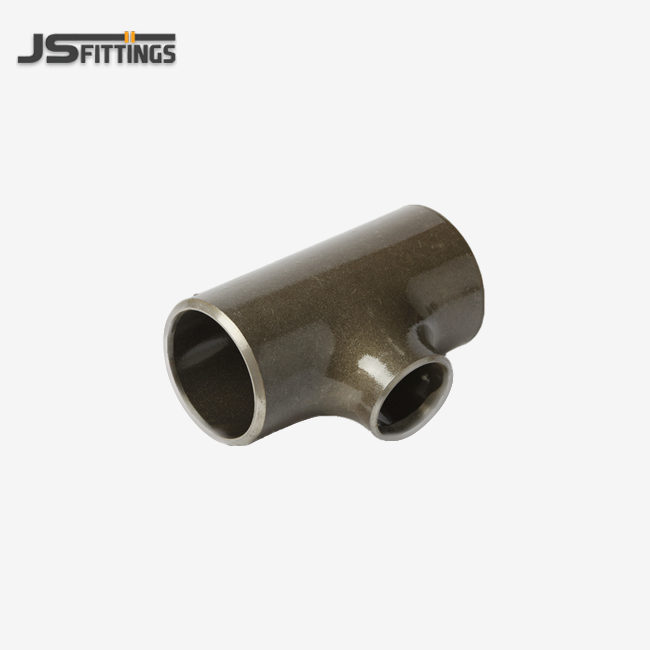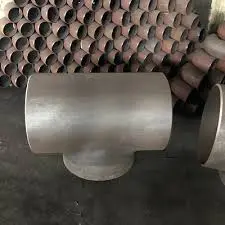
What preparatory checks are required before installing a seamless carbon steel equal tee?
Before embarking on the installation of a seamless carbon steel equal tee, it's crucial to perform a series of preparatory checks to ensure a smooth and successful process. These checks not only contribute to the integrity of the installation but also help prevent potential issues down the line.
Material Verification and Inspection
First, make sure that the equal tee and the pipes that go with it are in excellent condition. The shirt has to fit well and be made of the appropriate material to function. Look for any flaws with the garment that might make it not function properly or not last as long. This skin could be damaged in some manner, such as having pimples or fissures.
Compatibility Assessment
Ensure that the seamless carbon steel equal tee is compatible with the existing piping system and the intended fluid or gas. This includes verifying that the pressure rating, temperature limits, and chemical resistance of the tee align with the operational parameters of your system.
Site Preparation and Safety Measures
Prepare the installation site by clearing the area of any obstructions and ensuring proper lighting and ventilation. Implement necessary safety measures, including personal protective equipment (PPE) for installers, and set up appropriate barriers or signage to restrict access to the work area.
Tool and Equipment Check
Gather and inspect all required tools and equipment for the installation process. This may include welding machines, cutting tools, alignment jigs, seamless carbon steel equal tee, and measurement devices. Ensure that all equipment is in good working condition and calibrated as necessary.
Regulatory Compliance Review
Look into the guidelines, standards, and rules that apply to your industry and area while installing seamless carbon steel equal tees. This might include ASME B31.3 for process plumbing or other standards that are important. Make sure that your strategy for installation meets all the rules.
Fit-up, alignment, and welding sequence for seamless equal tee installation
The fit-up, alignment, and welding sequence are critical steps in the installation of a seamless equal tee. Proper execution of these steps ensures the structural integrity and performance of the piping system.
Precise Fit-up Procedures
Begin the fit-up process by carefully positioning the equal tee in relation to the connecting pipes. To keep everything in the right place and at the right distance, use specialized fit-up tools called jigs. Make sure that the root gap between the tee and the pipes is the same all the way around and matches the requirements in your welding method.
Alignment Techniques
Employ advanced alignment techniques to ensure the tee is perfectly centered and level with the connecting pipes. This might mean utilizing laser alignment equipment or levels that are very accurate. Be very careful to make sure that the branch connection is perpendicular to the run pipe. If it isn't, stress concentrations and possible failure spots might happen.
Tack Welding for Stability
Tack welds will keep the tee in place once you align it up. Everything should stay in place with these first welds, but they shouldn't be so strong that you can't make small changes if you need to. Make sure that the tack welds are split out evenly around the circle of the joint so that the heat is spread out and the metal doesn't bend.
Welding Sequence and Technique
Follow a carefully planned welding sequence to minimize heat-induced distortion and ensure even distribution of residual stresses. For equal tees, a common approach is to begin with the run pipe connections before moving to the branch connection. Use a staggered or backstep welding technique to control heat input and reduce the risk of warpage.
Welding Process Selection
Choose an appropriate welding process based on the material properties of the seamless carbon steel equal tee and the project requirements. Gas Tungsten Arc Welding (GTAW) or Shielded Metal Arc Welding (SMAW) are often preferred for their precision and ability to produce high-quality welds in various positions.
Post-Weld Inspection and Testing
After completing the welds, conduct thorough non-destructive testing (NDT) to verify the integrity of the joints. This may include visual inspection, radiographic testing, or ultrasonic testing, depending on the project specifications and regulatory requirements.
Support, thermal expansion, and vibration control considerations for installed equal tees
Once the seamless equal tee is installed, it's essential to address support, thermal expansion, and vibration control to ensure long-term reliability and performance of the piping system.
Proper Support Systems
Implement an appropriate support system for the installed equal tee and adjacent piping. These could be pipe clips, supports, or clamps that keep the tee or welds from being under too much stress and spread the weight out evenly. When you figure out how much support you need, you should think about how heavy the tee, pipes, and any fluids inside them are.
Thermal Expansion Management
Take temperature expansion into account when designing your pipes so that the equal tee and linked pipes don't have to handle too much stress. As needed, add expansion loops, bellows, or flexible joints to account for changes in size caused by weather. Pay extra attention to systems that have big changes in temperature or that are working at high temperatures.
Vibration Dampening Techniques
Take steps to control vibrations to keep the equal tee and the pipes that connect to it from breaking down due to wear and tear or stress. To do this, the system might need to have earthquake dampeners, isolators, or links that can be bent and put in important places. If you want to stop movements, you should think about what makes them happen, like motors or pumps.
Stress Analysis and Flexibility Studies
Conduct comprehensive stress analysis and flexibility studies to identify potential areas of concern in your piping system. Use specialized software to model thermal expansion, pressure fluctuations, and external loads, ensuring that the installed equal tee can withstand the full range of operational conditions without exceeding its design limits.
Corrosion Protection Measures
Implement appropriate corrosion protection measures to safeguard the seamless carbon steel equal tee and surrounding piping. This may include applying protective coatings, implementing cathodic protection systems, or selecting corrosion-resistant materials for gaskets and fasteners.
Regular Inspection and Maintenance Protocols
Establish a routine inspection and maintenance schedule to monitor the condition of the installed equal tee and associated piping. Regular checks can help identify potential issues early, allowing for proactive maintenance and preventing costly downtime or failures.
Conclusion
To properly set up seamless carbon steel equal tees, you need to plan ahead, follow the steps to the letter, and keep an eye on how the system is working. If you follow this guide's steps to the letter, the installation will be strong and stable enough for industrial pipe systems. Don't forget that every job has its own issues, so it's important to adapt these rules to your project while still following all legislation and rules in the field.
FAQ
1. What are the key benefits of using seamless carbon steel equal tees in industrial piping systems?
Seamless carbon steel equal tees offer superior strength, reliability, and pressure-bearing capacity compared to welded alternatives. They provide excellent resistance to high temperatures and pressures, making them ideal for demanding industrial applications. The seamless construction eliminates potential weak points at weld seams, enhancing overall system integrity and longevity.
2. How often should seamless carbon steel equal tees be inspected after installation?
The frequency of inspections depends on the specific application and operating conditions. Generally, it's recommended to conduct visual inspections at least annually, with more comprehensive non-destructive testing performed every 3-5 years or as dictated by industry standards and regulations. High-stress or critical systems may require more frequent inspections.
3. What factors should be considered when selecting the appropriate wall thickness for a seamless carbon steel equal tee?
Key factors include operating pressure, temperature, corrosion allowance, and mechanical loads. The wall thickness should be calculated based on the design pressure and temperature, taking into account material properties, safety factors, and relevant design codes such as ASME B31.3. It's crucial to consult with engineering experts or experienced manufacturers to ensure proper selection.
4. Can seamless carbon steel equal tees be used in cryogenic applications?
While standard carbon steel is not typically suitable for cryogenic temperatures, certain grades of carbon steel with specific alloying elements and heat treatments can be used in low-temperature applications. For true cryogenic service, stainless steel or specialized alloys are often preferred. Always consult with material experts and adhere to relevant standards when selecting fittings for extreme temperature applications.
Expert Seamless Carbon Steel Equal Tee Manufacturers and Suppliers | JS FITTINGS
Need high-quality seamless carbon steel equal tees for your industrial pipe projects? You only need to look at JS FITTINGS. As a top producer and seller, we have a wide selection of high-performance seamless carbon steel equal tees that are up to the highest standards in the business. Our goods are made to work well in tough situations and give your important systems the dependability and sturdiness they need.
With our state-of-the-art production facilities and rigorous quality control processes, we ensure that every equal tee we produce meets the highest standards of excellence. Whether you need standard sizes or custom solutions, our team of experts is ready to assist you in finding the perfect fit for your specific requirements.
Don't compromise on quality when it comes to your piping systems. Choose JS FITTINGS for seamless carbon steel equal tees that deliver superior performance and long-term value. Contact us today at admin@chinajsgj.com to discuss your project needs and discover how our products can enhance the efficiency and reliability of your industrial operations.
References
1. ASME B16.9-2018: Factory-Made Wrought Buttwelding Fittings
2. American Welding Society (AWS) D1.1/D1.1M: Structural Welding Code - Steel
3. Nayyar, M.L. (2000). Piping Handbook, 7th Edition. McGraw-Hill Professional
4. Antaki, G.A. (2003). Piping and Pipeline Engineering: Design, Construction, Maintenance, Integrity, and Repair. CRC Press
5. Smith, P. (2015). Piping Materials Guide: Selection and Applications. Elsevier
6. ASME B31.3-2018: Process Piping