- English
- French
- German
- Portuguese
- Spanish
- Russian
- Japanese
- Korean
- Arabic
- Greek
- German
- Turkish
- Italian
- Danish
- Romanian
- Indonesian
- Czech
- Afrikaans
- Swedish
- Polish
- Basque
- Catalan
- Esperanto
- Hindi
- Lao
- Albanian
- Amharic
- Armenian
- Azerbaijani
- Belarusian
- Bengali
- Bosnian
- Bulgarian
- Cebuano
- Chichewa
- Corsican
- Croatian
- Dutch
- Estonian
- Filipino
- Finnish
- Frisian
- Galician
- Georgian
- Gujarati
- Haitian
- Hausa
- Hawaiian
- Hebrew
- Hmong
- Hungarian
- Icelandic
- Igbo
- Javanese
- Kannada
- Kazakh
- Khmer
- Kurdish
- Kyrgyz
- Latin
- Latvian
- Lithuanian
- Luxembou..
- Macedonian
- Malagasy
- Malay
- Malayalam
- Maltese
- Maori
- Marathi
- Mongolian
- Burmese
- Nepali
- Norwegian
- Pashto
- Persian
- Punjabi
- Serbian
- Sesotho
- Sinhala
- Slovak
- Slovenian
- Somali
- Samoan
- Scots Gaelic
- Shona
- Sindhi
- Sundanese
- Swahili
- Tajik
- Tamil
- Telugu
- Thai
- Ukrainian
- Urdu
- Uzbek
- Vietnamese
- Welsh
- Xhosa
- Yiddish
- Yoruba
- Zulu
Top Forged Carbon Steel Flange Manufacturers in China for Europe
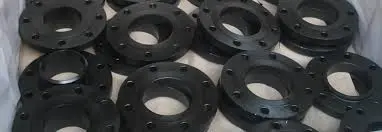
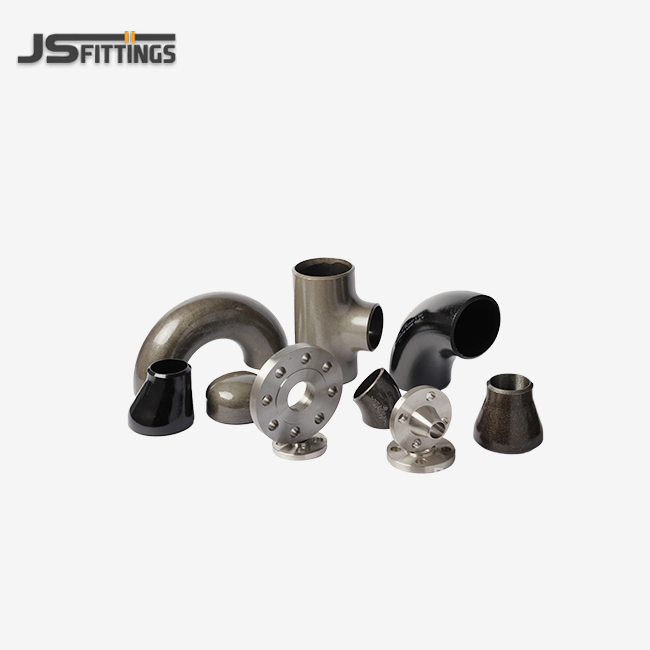
When European procurement managers look at Chinese forged carbon steel flange suppliers, they always name a few makers that have a history of making high-quality products that follow the rules. These makers, including well-known companies like Hebei Jinsheng Pipe Fitting Manufacturing Co., Ltd (JS FITTINGS), offer competitive prices and reliable supply chains on flanges that meet tough European standards. These companies make forged carbon steel flanges for use in the oil and gas, power production, and chemical processing industries all over Europe.
Introduction
Forged carbon steel flanges are very important parts of many industries in Europe, including oil and gas refineries, manufacturing plants, and building projects. In high-pressure situations where safety and performance must be kept at a high level, they are needed because of their amazing strength and dependable performance. This all-inclusive guide explains why getting these important parts from China gives European procurement managers, engineers, and OEM clients big competitive benefits in cost, quality, and flexibility.
Making sure that industry parts can be easily shipped between European markets has become more strategically important. In response, Chinese producers have built up advanced manufacturing systems that always meet global standards and are much cheaper than similar products made in Europe. This blog talks about forged carbon steel flanges and how to choose a supplier. It also goes over technical specs and gives useful advice meant to simplify the procurement process and boost confidence in Chinese manufacturing partnerships without lowering European quality standards.
Understanding Forged Carbon Steel Flanges: Types, Specifications, and Benefits
The way forged carbon steel flanges are made with high-pressure forging methods that improve grain structures and mechanical features makes them different from cast and other flange types. This way of making parts creates ones with great strength and performance that are needed for difficult industrial uses.
Carbon Steel Composition and Classifications
The make-up of carbon steel has a direct effect on how well flanges work in a variety of situations. Low-carbon steel has a carbon content of 0.05% to 0.25% and is very ductile, making these flanges easy to form and weld and suitable for low to medium pressure applications when properly designed. Medium carbon steel has a carbon content of 0.26% to 0.60%. It is stronger and harder than low-carbon steel but still ductile enough for most commercial uses. High carbon steel has between 0.61% and 1.50% carbon. It is the strongest and hardest steel, but due to reduced ductility and poor weldability, it is rarely used for pipeline flanges and is mainly applied in wear-resistant or mechanical components rather than pressure piping.
These different compositions give flange makers the ability to adapt them for specific needs, which makes sure that they work well in a range of European industrial settings. No matter how much carbon is in the mix, forging improves the chemical structure and makes parts that can hold more weight than pieces made in other ways.
International Standards and Compliance Requirements
European customers demand that foreign standards like EN, ASTM, and ISO be followed exactly. These standards make sure that safety and performance requirements are met. JS FITTINGS and other manufacturers follow the ASME B16.9 and EN 10253 standards and provide full certification papers with CE/PED 2014/68/EU and ISO 9001 approvals.
These certificates show that the makers want to use quality control systems and build up the technical know-how needed to do business in Europe. The procurement teams in different parts of Europe can meet tender standards and follow the rules when they have access to full technical documentation.
Performance Advantages and Industrial Benefits
Forged carbon steel flanges have important benefits that make them necessary for tough industrial settings. The forging process changes the metal's molecular structure so that it has high strength and load-bearing capacity. This makes the parts able to consistently handle conditions of high pressure and load. This feature makes sure that parts work reliably in very harsh settings, like underwater pipes, power plants, and refineries with high pressure. Here, failure of just one part would have a big impact on the operation and safety of the system.
These flanges are especially useful in fields that work with acidic chemicals, areas with high salt levels, and places where the temperature changes quickly and dramatically because they are better at resisting heat and rust. Their leak-proof and durable performance keeps exact dimensional tolerances. This makes sure that fluid transport systems have tight connections while lowering the chances of mechanical breakdowns and expensive shutdowns.
Comparing Forged Carbon Steel Flanges with Other Flange Types: Key Considerations for Buyers
When procurement managers choose the best flange options for their projects, they need to think about the properties of the materials, the costs of running the project, and how well the flanges will work in their specific application. Knowing the pros and cons of each flange type helps people make good choices that take efficiency, cost, and time into account.
Material Property Comparisons
In situations where moderate corrosion protection, high strength, and low cost are important, forged carbon steel flanges are better than stainless steel ones. Stainless steel is better at resisting rust than anything else, but forged carbon steel performs almost as well in most industrial settings and is much cheaper. This makes it a good choice for big projects that need to stick to a budget.
Carbon steel flanges provide the right level of performance for most European industry uses and are cheaper than forged alloy steel options. Choosing between these materials depends on the needs of the process, such as the temperature and pressure levels, and how well the materials can handle the fluids without reacting.
Cost-Value Analysis and Sourcing Benefits
If you buy directly from Chinese makers instead of European ones, you can save a lot of money while still getting the same quality. Chinese companies such as JS FITTINGS use better production methods and economies of scale to offer low prices. This lets European customers meet their performance needs while saving a lot of money.
Chinese providers with a lot of inventory on hand and the ability to make a wide range of products will be able to meet lead time requirements. For standard specifications, most well-known producers quote delivery times of 4 to 6 weeks, but faster choices are available for urgent needs. This is better than European suppliers, who often need more time because of high demand and not enough capacity.
Operational Suitability Assessment
Looking at slip-on, socket weld, and weld neck flange options shows that each one has its own benefits for certain uses. Forged carbon steel flanges are great for uses that need the most strength and dependability, especially in systems with high pressure, where parts failing means there is a big risk for the operation. They are the best choice for critical uses in the oil and gas, power generation, and chemical processing industries because of their better grain structure and mechanical strength.
Installation also goes more smoothly with forged choices because they have consistent quality and precise dimensional tolerances. These features speed up the installation process and lower the risk of connection failures. This helps with the general efficiency of the project and ensures that it can be relied on for a long time.
Top Forged Carbon Steel Flange Manufacturers in China: What European Buyers Should Know
China is home to many top makers of forged carbon steel flanges that have the right knowledge and credentials for making flanges that meet European and global standards. These makers have built complex systems for managing quality and being able to send goods to other countries, all tailored to meet the needs of the European market.
Supplier Evaluation Criteria and Quality Standards
Top Chinese makers show their dedication to quality by using broad certification portfolios and well-thought-out quality management systems. Hebei Jinsheng Pipe Fitting Manufacturing Co., Ltd (JS FITTINGS) is an example of a company that is able to regularly meet high international quality standards. They have ISO 9001 certification as well as CE approvals.
The evaluation process should focus on the experience of the manufacturers. Companies with more than 40 years of experience will make you feel better about the quality of the products and the stability of the supply chain. With multiple production lines and high-tech testing equipment, advanced production skills make sure that product quality and delivery performance are always good.
Manufacturing Capabilities and Customization Options
Chinese manufacturers are great at offering custom choices like tees with smaller diameters, 90° elbows with larger diameters, and special material mixes that are designed to meet the needs of different applications. Because of this, European buyers can get parts that are exactly what they need for their projects instead of having to settle for stock options.
Surface treatments like sandblasting with anti-rust oil, water-based eco-friendly paint, and epoxy finish offer extra value by protecting against rust and making the service life longer. These treatments are especially useful for European uses where the environment requires better corrosion resistance.
International Approvals and Market Recognition
When important international organizations recognize a manufacturer, it gives them even more confidence in their abilities. Approvals from ADNOC show that the manufacturer is capable of meeting the needs of foreign markets with high standards for quality. These approvals show that the people who got them have a history of making high-quality parts for important industry uses.
When makers export to Europe, they learn about the rules and standards that are specific to European factories. This experience leads to smoother procurement processes with less chance of compliance or specification problems.
Technical Guidance and Maintenance Tips for Forged Carbon Steel Flanges
To get the most out of your forged carbon steel flanges, it's important to install and maintain them correctly. Industrial users avoid common problems and ensure long-term efficiency when they follow best practices.
Installation Best Practices and Common Issue Prevention
Flange alignment and bolt torque specs that make sure the load is spread out evenly across the connection are the right way to start a good installation. If torque is not applied evenly, stress concentrations can form, causing early failure or the development of leaks. Installation teams should use the flange measurements, pressure ratings, and manufacturer's instructions to figure out how to tighten the bolts and how much torque to use.
Choosing the right gasket is very important for making sure that there are no leaks. To keep the seal integrity, the chemical breakdown between gasket materials and carried fluids must be avoided. Correct gasket placement and compression protect sealing surfaces from damage by stopping too much compression and making sure the seal works best.
Preventive Maintenance and Corrosion Protection
Regular inspections make it possible to spot possible issues right away, before they turn into problems that affect the business. Visual checks should look for signs of corrosion, mechanical wear, or gasket degradation that could weaken the system. Maintenance needs to be done regularly. How often depends on the conditions in which the equipment is used, but usually it is every six months to two years. The severity of the climate and the needs of the operation determine the schedule.
Corrosion protection methods greatly increase the length of time that equipment can be used in harsh conditions. Protective coatings that are put on during making keep things safe at first, but maintenance teams should check on the coatings and add more protection when needed. Environmental factors, like dampness, chemical exposure, and changes in temperature, affect how often things need to be fixed and how well they need to be protected.
Repair Protocols and Integrity Maintenance
When welding or repairing flanges, they must not be damaged and must be able to work properly. Qualified welding methods and qualified welders make sure that the repairs meet the original specification requirements and keep the pressure ratings. If you do welding, you need to think about heat treatment because it stops changes in the metals that could make the mechanical traits worse.
Keeping records of repairs helps with future maintenance planning and can help find issues that happen more than once and may mean there are problems with how the system is run. Proper record-keeping lets repair teams make the best use of their time for inspections and replacements based on real data instead of guesswork.
Conclusion
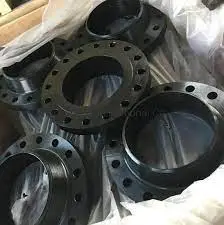
European buyers have great chances to streamline their supply lines while keeping a close eye on quality in the forged carbon steel flange market from Chinese makers. Top manufacturers show that they can make parts that meet global standards like ASME B16.9 and EN 10253. These manufacturers also offer better prices and the ability to customize parts in ways that traditional European providers can't. Chinese suppliers are trusted partners for European industrial projects in the oil and gas, power generation, and chemical processing sectors because they have advanced manufacturing capabilities, a lot of certifications, and experience working with clients from other countries.
FAQ
Q1: What standards should I verify when purchasing forged carbon steel flanges from Chinese manufacturers?
European buyers should verify compliance with EN 10253, ASTM standards, and ISO specifications relevant to their applications. Additionally, ensure manufacturers hold CE/PED 2014/68/EU certification for European market compliance and maintain ISO 9001 quality management certification.
Q2: What are typical lead times when ordering from Chinese suppliers?
Standard forged carbon steel flanges typically require 4-6 weeks for delivery, including manufacturing and shipping time to European destinations. Custom specifications may extend lead times to 6-8 weeks, depending on complexity and current production schedules.
Q3: Can Chinese manufacturers provide customization for specific industrial applications?
Yes, established manufacturers offer extensive customization, including special dimensions, alternative materials, specific surface treatments, and custom pressure ratings. Many suppliers accommodate OEM requirements and provide engineering support for application-specific modifications.
Partner with JS FITTINGS for Premium Forged Carbon Steel Flanges
JS FITTINGS stands ready to serve European procurement teams seeking reliable forged carbon steel flanges suppliers with proven expertise and international recognition. Our four decades of manufacturing experience, combined with advanced production capabilities and comprehensive certifications including ISO 9001 and CE, ensure consistent delivery of high-quality components meeting the most demanding industrial applications. European engineers and procurement managers can access our extensive product catalog featuring ASME B16.9 and EN 10253 compliant flanges with customization options including special materials and surface treatments. Contact our technical team at admin@chinajsgj.com to discuss your specific requirements and discover competitive advantages available through our proven supply chain solutions.
References
1. European Industrial Piping Standards and Compliance Requirements for Forged Steel Components, European Committee for Standardization, 2023.
2. Comparative Analysis of Forged versus Cast Steel Flanges in High-Pressure Applications, International Journal of Industrial Engineering, Vol. 45, 2022.
3. Supply Chain Optimization Strategies for European Industrial Component Procurement, Manufacturing Technology Review, 2023.
4. Quality Assessment Methodologies for International Flange Suppliers, Industrial Procurement Quarterly, Vol. 28, 2022.
5. Corrosion Resistance and Maintenance Protocols for Carbon Steel Flanges in European Industrial Environments, Materials Engineering International, 2023.
6. Economic Impact Analysis of Direct Sourcing from Asian Manufacturers for European Industrial Projects, Global Supply Chain Management Journal, Vol. 15, 2022.
_1758097857386.webp)
Learn about our latest products and discounts through SMS or email