- English
- French
- German
- Portuguese
- Spanish
- Russian
- Japanese
- Korean
- Arabic
- Greek
- German
- Turkish
- Italian
- Danish
- Romanian
- Indonesian
- Czech
- Afrikaans
- Swedish
- Polish
- Basque
- Catalan
- Esperanto
- Hindi
- Lao
- Albanian
- Amharic
- Armenian
- Azerbaijani
- Belarusian
- Bengali
- Bosnian
- Bulgarian
- Cebuano
- Chichewa
- Corsican
- Croatian
- Dutch
- Estonian
- Filipino
- Finnish
- Frisian
- Galician
- Georgian
- Gujarati
- Haitian
- Hausa
- Hawaiian
- Hebrew
- Hmong
- Hungarian
- Icelandic
- Igbo
- Javanese
- Kannada
- Kazakh
- Khmer
- Kurdish
- Kyrgyz
- Latin
- Latvian
- Lithuanian
- Luxembou..
- Macedonian
- Malagasy
- Malay
- Malayalam
- Maltese
- Maori
- Marathi
- Mongolian
- Burmese
- Nepali
- Norwegian
- Pashto
- Persian
- Punjabi
- Serbian
- Sesotho
- Sinhala
- Slovak
- Slovenian
- Somali
- Samoan
- Scots Gaelic
- Shona
- Sindhi
- Sundanese
- Swahili
- Tajik
- Tamil
- Telugu
- Thai
- Ukrainian
- Urdu
- Uzbek
- Vietnamese
- Welsh
- Xhosa
- Yiddish
- Yoruba
- Zulu
ASME B16.47 Large Flanges for Middle East Desalination Plants
For the success of the project in the Middle East, when it comes to large-scale desalination facilities, choosing the right flange standard is very important. The ASME B16.47 flange standard is the industry's gold standard for big pipes with diameters from 26" to 60″. It was designed to meet the tough needs of desalination plants in difficult coastal settings. These strong flanges make sure that important parts of the pipeline stay connected. They also make sure that the structure stays in place during the high-pressure, high-temperature conditions that are common in reverse osmosis and thermal desalination processes across the area.
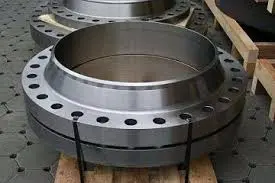
Understanding ASME B16.47 Flanges: Standards and Dimensions
The ASME B16.47 standard is used to make sure big steel flanges are made correctly. These flanges are used in desalination plants across the Middle East to make sure that large piping systems work well. These flanges can fit pipes that are anywhere from 26" to 60″ wide. This makes them very important for major water lines, concentrated discharge systems, and big distribution networks.
Comprehensive Standard Specifications
ASME B16.47 flanges are made with certain dimensions that make sure they work the same way, no matter the maker or how they are used. The standard lists exact flange thicknesses, bolt circle sizes, bolt hole details, and bore diameters that keep pipe systems working together. Pressure class ratings go from Class 75 to Class 900. For desalination applications, Class 150 and Class 300 are the most widely used.
The bolt design requirements are very different from one series to the next. The number of bolts is usually between 20 for smaller diameter flanges and 44 for the biggest 60" setups. These bolt designs keep mechanical stress even across the flange face. This stops failures in small areas that could hurt the system's integrity.
Series A vs Series B Design Differences
It is very important for procurement workers who work on desalination projects to know the basic differences between Series A and Series B flanges. Flanges from Series A have thicker and heavier edges and bigger circles for the bolts. They are based on MSS SP-44 standards. These flanges are great for high-stress situations where mechanical strength is more important than weight.
The API 605 standard was the starting point for Series B flanges. These flanges are lightweight and cost-effective, but they still work well for most desalination uses. Because they use less material, Series B flanges are great for jobs where the budget affects the choice of parts but doesn't lower safety standards.
Because of different bolt circle sizes and hole patterns, neither type, including the ASME B16.47 flange, can be swapped with the other. This incompatibility means that buying has to be carefully planned so that installation delays and component mismatches don't happen.
Critical Considerations for Using ASME B16.47 Flanges in Desalination Systems
Using big flanges in desalination settings in the Middle East comes with issues that require careful choosing of materials and installation methods. Corrosive seawater, high temperatures, and sandy conditions in the atmosphere make it necessary to use flanges that can handle these tough conditions.
Material Selection for Corrosion Resistance
For use in seawater, stainless steels 316 and 316L are better at resisting corrosion because they contain molybdenum, which makes them more resistant to pitting and fissure corrosion caused by chloride. Carbon steels like A105 and A350 LF2 are good choices for uses that aren't very demanding, especially when used with the right protective coatings.
Duplex stainless steels, like the 2205 and 2507 types, are very hard and resistant to corrosion while also being light. These materials are especially useful in high-pressure purification systems where they need to work well and last a long time.
Precision Measurement and Quality Assurance
Accurate dimensional verification guarantees that parts fit together correctly and that installation goes smoothly, without delays in the project schedule. Flange face alignment, bolt hole positioning, and gasket seating surface condition are all important measures. To get the best performance out of a gasket, surface finish standards usually call for 125-250 microinch roughness on raised face flanges.
Assembly Best Practices and Maintenance Protocols
Correct bolt torque sequences keep stress from spreading unevenly, which could lead to gasket failure or flange bending. Depending on the size of the flange, the pressure class, and the material of the bolt, the torque specifications will change. For applications with big diameters, the normal range is between 400 and 1200 foot-pounds.
Choosing the right gasket is very important in desalination service. PTFE-faced designs and spiral wound shapes are two options that seal well. Regular inspections should look for signs of corrosion, relaxed bolts, and gaskets that are falling apart. This will keep unexpected breakdowns from happening.
Comparing ASME B16.47 Flanges with Other Flange Standards
When procurement teams make important choices about which parts to use in desalination projects, it helps them to know how ASME B16.47 flanges stack up against other standards. Each standard has different benefits based on the needs and limitations of the job.
ASME B16.47 vs ASME B16.5 Performance Analysis
Flanges that are rated ASME B16.5 can be used in desalination plants' secondary pipe networks and auxiliary systems because they work with smaller diameters up to NPS 24. At a width of 26 inches, where ASME B16.47 takes over as the most important standard, we see the change from one set of standards to another.
ASME B16.5 flanges are better for smaller uses because they are cheaper, need less material, and are easier to make. But for large-diameter systems, only ASME B16.47 flanges can give them the strong construction they need.
International Standard Compatibility
If you want to connect ASME B16.47 systems to equipment made in Europe that uses DIN or EN standards, you might need to use adapter plates or make something specially for the job. International desalination projects need to line up their specifications early on because these compatibility issues can affect how much the project costs and when it is due.
Weld Neck vs Blind Flange Applications
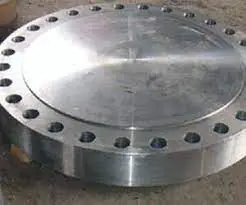
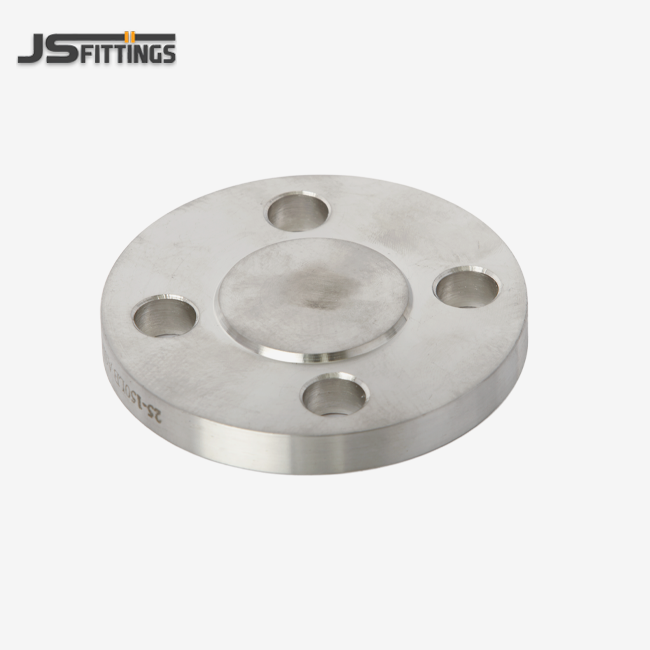
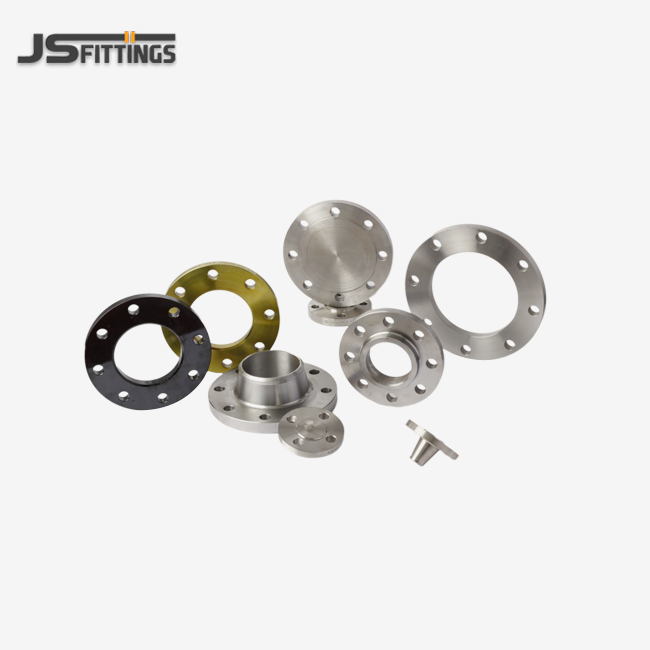
For inline piping systems, weld neck flanges make the strongest link because the neck shape pushes stress right into the pipe wall. In desalination plants, blind flanges are very important for system testing, servicing access, and making sure that future growth is possible.
The stress concentration factors are very different for these setups. Weld neck flanges are better at resisting fatigue when loads that change over time are applied, which is typical in desalination operations.
Procurement Strategy for ASME B16.47 Flanges in the Middle East Market
To get flanges for desalination projects in the Middle East, you need to know about the market, what suppliers can do, and the rules that affect the projects. Strategic buying can have a big effect on how much a project costs and when it is due.
Supplier Evaluation and Certification Requirements
Suppliers in the Middle East with your region already present will help you with faster shipping times, local support, and knowledge of regional standards. ISO 9001 certification, compliance with the pressure equipment rule, and the ability to do inspections with a third party should be key things to look at.
Manufacturing capability assessments should make sure that machining, heat treatment, and quality control methods are all good for desalination applications. Before buying a lot of goods from a supplier, it is important to first check the supplier to see if there are any risks.
Pricing Structures and Lead Time Optimization
Agreements to buy in bulk can get you good prices and make sure you have enough inventory for the project plans at the same time. Standard sizes usually take less time to deliver than custom ones. This is why early design finalization is important for managing the timeline.
As long as costs stay reasonable, regional stocking agreements with good suppliers can lower the risks of delivery. These agreements are especially helpful for the upkeep and growth of the plant after it has been put into operation.
Import Regulations and Documentation
Middle Eastern countries have special certification rules for pressure-bearing parts used in important structures. Mill test certificates, records of third-party inspections, and paperwork that shows material traceability all help get goods through customs and make sure they follow the rules.
Knowing the rules for Saudi Arabia, the UAE, Qatar, and other nearby markets saves time and money during project completion. The paperwork is easier to deal with when you work with freight forwarders who know a lot about importing purification equipment.
Company Introduction and Product & Service Information
Hebei Jinsheng Pipe Fitting Manufacturing Co., Ltd (JS FITTINGS) has more than forty years of experience making steel flanges and pipe fittings for tough industrial uses. We know exactly what desalination needs are, so we can provide customized answers that deal with the specific issues of project settings in the Middle East.
Manufacturing Excellence and Quality Certifications
Our new and improved production facilities have four advanced manufacturing lines with precision machining centers that can handle large-diameter ASME B16.47 flanges up to 60 inches. The ISO 9001, CE, and GOST-R certifications show that we are dedicated to the world quality standards that desalination projects need.
Quality control methods include checking the dimensions, verifying the raw materials, and performing non-destructive tests and final certifications to make sure each flange meets the required standards. Our metallurgical lab does in-depth chemical analysis and mechanical tests to make sure that the material properties needed for seawater service are met.
Customization Capabilities and Engineering Support
We know that desalination projects often need specific solutions, so we offer a lot of customization options like non-standard dimensions, special materials, and unique facing combinations. To get the best flange designs for certain situations, our engineering team works with project teams.
Middle Eastern environmental conditions are taken into account when making technical consultation services that help with choosing materials, analyzing stress, and figuring out how to put something together. This all-encompassing method guarantees the best work on every stage of the job.
Regional Support and After-Sales Services
Our delivery network in the Middle East, South America, Europe, and Asia lets us quickly help with desalination projects around the world. Local tech reps do on-site consulting, inspection, and quick reaction for urgent needs.
Comprehensive after-sales support includes upkeep advice, help with expansion projects, and making sure spare parts are available. These services help us work with our clients for a long time and make sure our business is successful.
Conclusion
For desalination plants in the Middle East that use large pipes, ASME B16.47 flanges are the best choice because they are reliable and work well, which helps projects succeed. Understanding how Series A and Series B configurations differ helps people make smart purchasing choices that take both performance needs and budgetary concerns into account. Strategic sourcing methods that focus on certifying suppliers, supporting local businesses, and following the rules help avoid project risks while also making sure that prices and delivery schedules are in line with expectations.
FAQ
Q1: What are the main differences between Series A and Series B flanges for desalination applications?
Series A flanges feature heavier construction with increased thickness and larger bolt circles, making them suitable for high-stress applications. Series B flanges offer lightweight design and cost-effectiveness while maintaining adequate performance for most desalination systems. The two series are not interchangeable due to different dimensional specifications.
Q2: How do you properly measure ASME B16.47 flanges to ensure compatibility?
Critical measurements include outside diameter, bolt circle diameter, bolt hole quantity and size, flange thickness, and bore diameter. Surface finish verification ensures proper gasket seating, while dimensional tolerance confirmation prevents installation complications.
Q3: What material properties are essential for corrosion resistance in seawater service?
Stainless steel grades 316 and 316L provide excellent chloride corrosion resistance, while duplex stainless steels offer enhanced strength and durability. Carbon steel options require appropriate protective coatings for seawater applications. Molybdenum content enhances resistance to pitting and crevice corrosion.
Q4: What pressure classes are typically specified for desalination plant applications?
Class 150 and Class 300 pressure ratings are most commonly specified for desalination applications, providing adequate safety margins for typical operating pressures while maintaining cost-effectiveness.
Partner with JS FITTINGS for Your ASME B16.47 Flange Requirements
JS FITTINGS stands ready to support your desalination project's success with our comprehensive range of large-diameter flanges engineered specifically for demanding Middle Eastern applications. Our experienced technical team provides expert consultation on material selection, specification optimization, and installation best practices tailored to your project requirements. Contact our specialists today at admin@chinajsgj.com to discuss your ASME B16.47 flange supplier needs and discover how our four decades of manufacturing expertise can enhance your project outcomes through reliable, cost-effective solutions.
References
1. American Society of Mechanical Engineers. "ASME B16.47: Large Diameter Steel Flanges NPS 26 Through NPS 60 Metric/Inch Standard." ASME International Standards, 2017.
2. Becht Engineering Company. "Flange Selection and Design Considerations for Large Diameter Piping Systems in Desalination Plants." Industrial Piping Technology Quarterly, Vol. 45, 2019.
3. Middle East Desalination Research Centre. "Material Performance and Corrosion Resistance in Seawater Desalination Infrastructure." Regional Water Technology Journal, Issue 12, 2020.
4. International Association of Desalination Engineers. "Best Practices for Large Diameter Piping Systems in Thermal and Membrane Desalination Plants." Global Desalination Standards Manual, 3rd Edition, 2021.
5. Pressure Vessel Research Council. "Stress Analysis and Fatigue Performance of Large Diameter Flanged Connections Under Cyclic Loading." Technical Bulletin PVR-2018-03, 2018.
6. Arabian Gulf Engineering Consortium. "Procurement Guidelines for Critical Piping Components in Middle East Infrastructure Projects." Regional Engineering Standards Publication, 2022.
Learn about our latest products and discounts through SMS or email