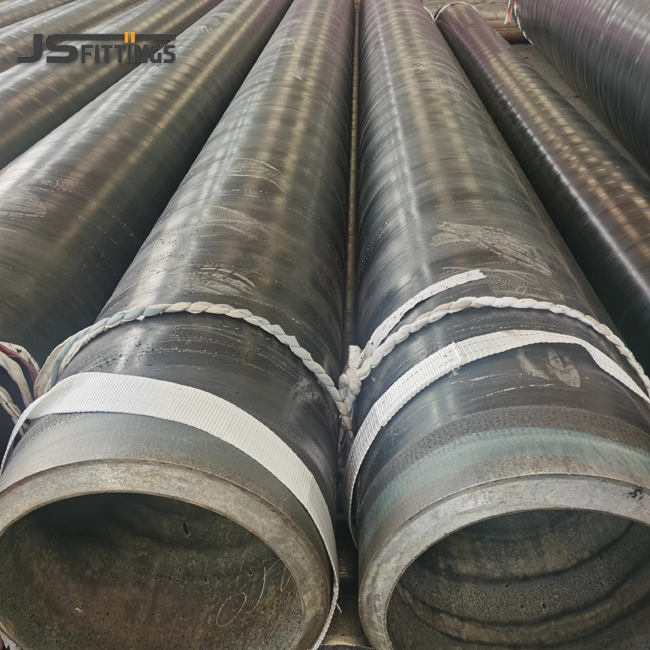
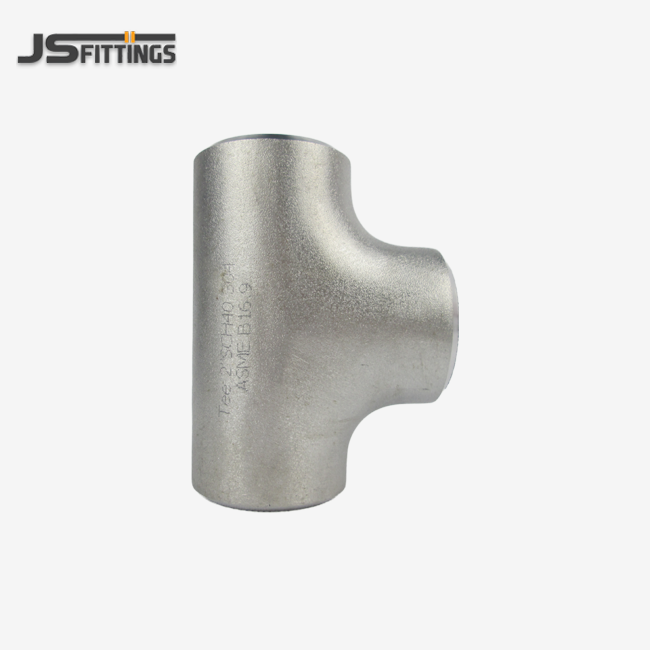
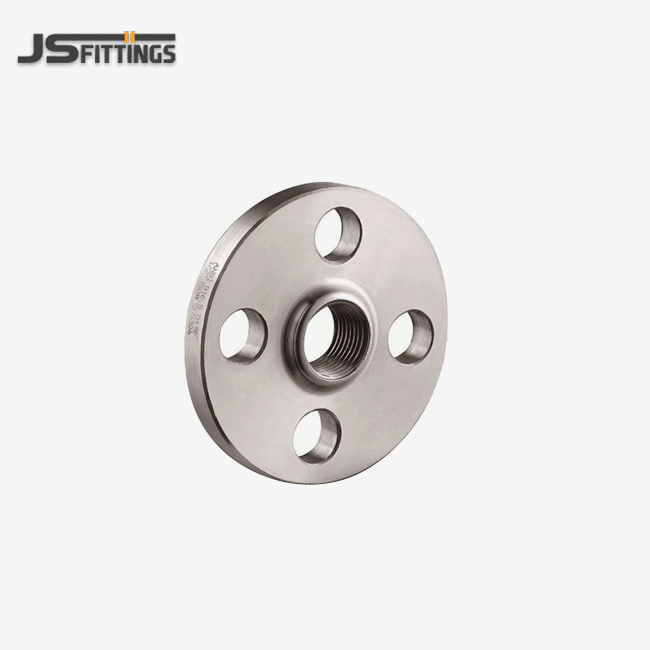
When picking pipe flanges for petrochemical uses, you should look at how long they will last, how well they fight rust, and how well they work in tough circumstances. Flange fittings for oil and gas must be very strong so they don't break under the pressure of harsh chemicals and high heat. Engineers and business professionals have a lot of hard work to do in this area. The materials they pick will affect the system's overall stability, the project's cost, and the repair schedule.
What You Should Know About the Building Blocks Used for Pipe Flanges in the Petrochemical Process?
There are many different kinds of flanges used in the petroleum industry. It is necessary to have a range of answers on hand, as various issues and situations in the workplace will require them. Before you pick the material, find out what its core qualities are that make it work well in a rough industrial setting.
This cheap, strong, and easy-to-weld steel is still widely used in the petroleum business. If properly treated, ASTM grades A105 and A350 work very well. Coatings or cathodic protection systems must be used on carbon steel in places where it is likely to rust. This is why it keeps its strength over time. Steel grades 304 and 316 are more resistant to rust than grade 316 and 304. Chrome makes an oxide layer that protects the metal from chemicals. Nickel makes it stronger and more malleable. Level 316 stainless steel has molybdenum in it, which makes it better than Level 304 at standing up to salt circumstances.
Chrome, molybdenum, vanadium, and other metals make alloy steel pipe flanges work. These materials are great for making things that won't rust or bend when they get hot. The 1.25Cr-0.5Mo and 2.25Cr-1Mo grades are used a lot because they can withstand high temperatures and hydrogen. If steel has both austenitic and ferritic parts, it is called "duplex" if it has austenitic and "super duplex" if it has ferritic. They won't rust because they are very durable. They are perfect for underwater use or on remote areas where a light but strong option is needed.
Evaluating Cost and Performance: Choosing the Right Materials for Petrochemical Applications
When using petrochemicals, you should consider both the price of the chemicals and the costs of using them over time. Because some materials are better or worse for certain tasks, understanding this information may help you pick the best ones.
Green carbon steel flanges are good for fuel service where corrosion isn't likely to happen, and are cheap to make. Their yield strength could be anywhere from 36,000 to 70,000 PSI, depending on the grade. But carbon steel can rust; it needs to be checked and kept in good shape often when things are tough.
Flanges made of stainless steel, particularly grade 316, are more expensive but last longer and rust less, making them a reliable pipe flange option. They are worth the extra cost because they need less maintenance. At the top end, welds made from nickel metals like Inconel 625 and Hastelloy C-276 are best for tough petrochemical settings because they don't rust or oxidize, even when it's hot. Even though they are more expensive at first, their reliability and long life may often make up for the extra cost when something goes wrong.
Making something a certain way can change how well it works and how much it costs. Flanges made from forging are generally stronger and fit better than flanges made from casting. This is because the forging process fills in holes and improves the grain structure, making them stronger and reducing the chance that they will break.
According to studies done in the real world, using the right materials in petroleum plants may make things last three to five times as long as using the wrong ones. This means that if you use the right products, the total cost of owning something might be much lower, even though the first cost might be higher.
How to Pick the Best Pipe Flanges for Your Petrochemical Business?
Before picking a plate material, you should consider its purpose and how the surroundings will affect its long-term performance. Temperature plays a big role. Most of the parts are made of carbon steel, which stays strong even at 800°F. Alloy steels can withstand very high temperatures, up to 1200°F. Thermal cycling also puts more stress on materials, so you need to pick options that can handle these types of situations.
A chemical compatibility study must be done to make sure that the materials will not break down when they touch industry fluids or environmental toxins. When hydrogen sulfide is around, materials have to be able to resist sulfur stress breaking. Alloys with more chromium may be needed in areas where organic acids are found. It is important to do the right tests and look at past performance records to choose the right material for certain chemicals.
Based on the pressure rating needs, the least amount of strength needed for a pipe flange is determined. These needs also change the material's width and type. High-performance materials might be needed to get the right scores on tough jobs while still staying within the limits for weight and size.
Also, you should think about more than just the item's materials when you buy something. Accreditation, shipping times, and other things may be required of suppliers. For important things, full paperwork is needed. This includes detailed mill test papers and confirmation from a third party of both chemical and mechanical properties.
Following guidelines such as ASME B16.5, API 6A, and NACE makes certain that these rules are obeyed. Also, projects that cross countries might need other approvals or certifications, like the CE mark, to meet foreign compliance standards.
How to put pipe flanges in place, take care of them, and make them last longer?
Following the right steps when putting things together is very important to make sure that the materials stay safe and work well for as long as they are supposed to, especially when it comes to flanges in petroleum settings. Correct placement is very important for keeping safety and efficiency. When you apply pressure, you should follow the manufacturer's instructions and think about the weather. Stress concentrations can happen if the bolts aren't tight enough. This might speed up the breakdown of material or lower the seal's integrity. For the best efficiency, the load must be spread out evenly across the flange face.
Choosing the right seal is just as important; it should be made to fit the edges and how they will be used. Gasket materials that don't work together can cause rust or chemical reactions with the flange surfaces. When used with the right facing materials, spiral wound seals work well for oil and gas uses.
Before closing connections, all mill scale, dirt, and surface imperfections must be removed to make sure there is no rust and the seal is good. A smooth surface helps the seal work properly and keeps leaks from happening.
Regular maintenance checks are important to make sure that parts are the right size and to look for early signs of wear on a pipe flange without damaging the parts. Finding and changing parts that are wearing out before they break helps avoid unexpected shutdowns, saves money, and makes things safer.
Using covering systems, cathodic protection, and inhibitor injection can make parts last a lot longer in corrosive settings. To keep these protection systems working, they need to be checked and fixed often.
It is also easier to choose the right materials and plan for maintenance if you use tracking tools to keep an eye on performance data, fix needs, and replacement dates. This method, which is based on data, can help save money and make operations more efficient.
Conclusion
When picking a material for petroleum pipe flanges, you have to think about cost, performance, and how long you want it to last. Carbon steel is an inexpensive choice for normal use. On the other hand, stainless steel and other specialized metals are better for places where corrosion protection and long service life are important. Installing, keeping, and picking the right provider all have a big impact on how well and efficiently the system works as a whole. With the newest tools for making goods, JS FITTINGS has been in the business for forty years. They can make flange systems that are effective and meet the petrochemical industry's toughest standards.
FAQs
Q: When picking materials for petrochemicals and pipe flanges, what should you remember?
A: The ability to prevent corrosion should be most important to you. This depends on the standards for your field, the chemicals you use, and the highest temperature and pressure rates that will work where you are. When you look at different materials, consider their long-term cost by thinking about how often they need to be taken care of and how long they should last.
Q: In petroleum plants, how do carbon steel pipe flanges and stainless steel pipe flanges vary from each other?
A: It's a fact that stainless steel lasts longer and rusts less, particularly in places where the environment is salty or has chloride in it. Even though it is more expensive at first, stainless steel usually has a lower total cost of ownership than carbon steel. This is because it needs to be fixed and maintained less often and replaced more often.
Q: What kinds of custom pipe flanges do you have that are made to meet certain industrial standards?
A: JS FITTINGS does make unique parts, and they have all the paperwork they need to keep track of and confirm materials. We follow all the rules while still making things in non-standard sizes, with non-standard materials, and with non-standard finishes to meet the needs of each job.
JS FITTINGS: Your Trusted Partner for High-Quality Pipe Flanges in the Petrochemical Industry
Hebei Jinsheng Pipe Fitting Manufacturing Co., Ltd. (JS FITTINGS) has been making pipe flanges for the petroleum business for more than forty years and is well known in the field. We always try to improve and come up with new ideas, and we want to set the best standards for quality in our field.
Our automatic coloring line makes sure that all of our flanges look the same and have the same coating quality. Using robots and weather controls gets rid of human mistakes, keeping the exact thickness and adhesion needed for long-term defense against corrosion.
We want to follow global norms. We follow standards like ASME B16.5, ANSI B16.47, and API 6A. Our ISO 9001, CE, and GOST-R certifications show that we are committed to making sure our products are high-quality and well-made.
For almost any industrial use, we have a wide range of materials, such as carbon steel, duplex stainless steel, and different types of stainless steel (304, 316, and 321). Each material is tested many times to make sure of its chemical makeup and mechanical qualities.
Others in the industry may not be able to do this, but JS FITTINGS can change goods to meet the needs of each customer. When customers work with our engineering team, they are able to come up with unique solutions for shapes, materials, and coatings that aren't typical.
We make sure that all of the paperwork that is needed for important applications is in order. Our quality assurance team gives buyers mill test certificates, material tracking paperwork, third-party inspection reports, and more. This makes it easier for them to buy what they need and helps avoid risks in our projects.
With our expertise in manufacturing pipe flanges, you can rely on JS FITTINGS for even the most challenging petrochemical projects. Reach out to us at admin@chinajsgj.com to discuss your requirements and discover how our 40 years of experience in high-quality production can benefit your business.
References
1. American Society of Mechanical Engineers. "ASME B16.5 - Pipe Flanges and Flanged Fittings: NPS 1/2 Through NPS 24 Metric/Inch Standard." New York: ASME Press, 2020.
2. Smallman, R.E. and A.H.W. Ngan. "Physical Metallurgy and Advanced Materials Engineering." Oxford: Butterworth-Heinemann, 2014.
3. Davis, Joseph R. "Stainless Steels: Properties and Selection." Materials Park, OH: ASM International Handbook Committee, 1994.
4. American Petroleum Institute. "API Specification 6A - Specification for Wellhead and Christmas Tree Equipment." Washington, DC: American Petroleum Institute, 2019.
5. Fontana, Mars G. and Norbert D. Greene. "Corrosion Engineering." New York: McGraw-Hill Education, 1987.
6. Craig, Bruce D. "Handbook of Corrosion Data." Materials Park, OH: ASM International, 1995.
_1758095958686.webp)