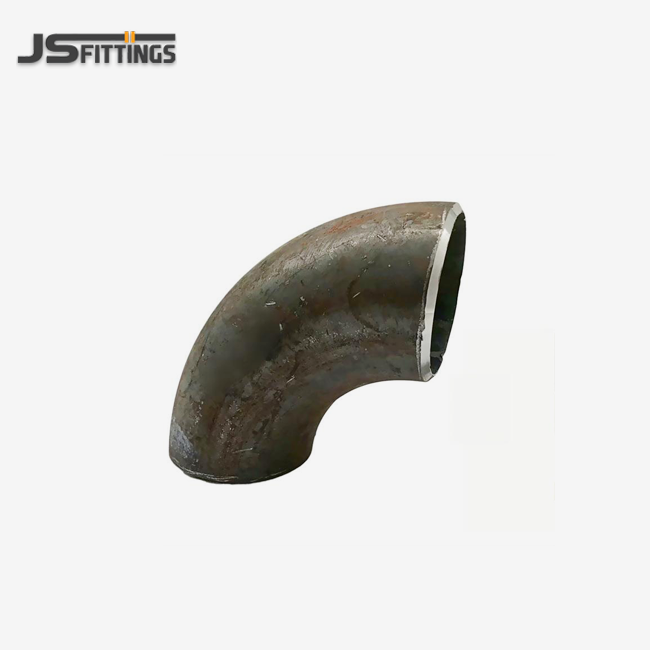
The GOST 17375 Butt Weld Elbow is an important part of industrial piping systems. It is made in accordance with Russian government standards that make sure it is the right size, made of good materials, and works well. These specialized pipe fittings are essential for connecting pipes in complex networks. They make it easy to change the direction of flow while keeping the structure strong. GOST 17375 pipe fittings are used all over the world because they are known to last a long time and meet strict engineering standards. This makes them essential for projects that need to meet high safety standards and perform well for a long time.
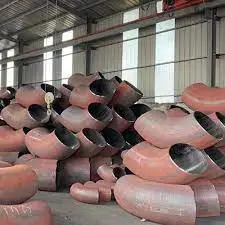
GOST 17375 Butt Weld Elbows Fix Important Issues
Industrial piping systems must address numerous challenges that require reliable solutions to maintain safety and operational standards. When connecting pipes the old way, it can be hard to deal with changes in pressure, thermal expansion, and chemical exposure. According to GOST 17375 Butt Weld Elbows solve these basic problems with their strong design and tried-and-true manufacturing methods.
In complex pipe networks, smooth flow transition is the most important thing to think about. Turbulence and pressure drops caused by low-quality elbows make the system less efficient and raise operational costs. The exact control over dimensions built into GOST 17375 standards makes sure that flow patterns are smooth and energy loss is kept to a minimum. When there are a lot of things to do, this accuracy is very important because even small efficiency improvements can save a lot of money.
Another big problem for industrial facilities is keeping their structures strong in harsh conditions. Changes in temperature, vibration, and sudden increases in pressure can damage weak fittings, causing catastrophic failures and costly downtime. If you make seamless butt weld elbows to GOST 17375 standards, they are very strong against these stresses. Their consistent material properties and wall thickness distribution make them reliable over the course of their service life.
Installations that are hard to do often take longer to finish and cost more to do. Standardized sizes and end preparations make fitting easier and lower the chance of making mistakes during installation. Complex piping projects can be planned and carried out accurately with the help of accurate documentation and technical specifications. This standardization is especially helpful for EPC contractors who are in charge of many projects with strict deadlines and different needs.
Core Features and Technical Features
There are a few unique features on GOST 17375 Butt Weld Elbows that make them work better in tough situations. The 90-degree butt weld elbow configuration lets you change directions easily while keeping the structure strong. Modern manufacturing methods make sure that the wall thickness is evenly distributed, which gets rid of the stress concentration points that are common in lower-quality products.
The specifications for butt weld elbow radius are based on exact mathematical calculations that find the best flow conditions while keeping the strength of the structure. In high-speed situations, the long radius design keeps pressure drops to a minimum and prevents erosion as much as possible. Short radius versions allow for small installations in places where limited space limits design options. The high standards of quality and performance are kept the same in both configurations.
The welding preparation features are an important part of how these fittings work. Beveled ends make it easier to prepare the joint correctly and make sure that the weld goes all the way through. Surface finish requirements get rid of sources of contamination that could lower the quality of the weld. Accurate measurements allow for precise fit-up steps that cut down on welding time and make joints more reliable.
The butt weld elbow pressure rating ranges over a large area to accommodate a variety of working conditions. The names of pressure classes correspond to the highest pressures that can be used at certain temperatures. These ratings include safety factors that give you operational margins that take into account pressure surges and other types of dynamic loading. This all-around approach guarantees reliable performance for the entire life of the component.
Tracking systems for materials keep track of every fitting from the raw materials all the way through the final inspection. Chemical composition certificates confirm the amount of alloy and its mechanical properties. Non-destructive testing finds problems that might exist before they are shipped. This complete quality assurance program makes sure that all batches of products work the same way and follow the rules.
New technologies for making things and quality control
Modern factories that make GOST 17375 elbows use complex methods to make sure that the quality and dimensions are always correct. When you use hot forming, you make uniform grain structures that improve the mechanical properties and stress distribution. Controlled cooling cycles get rid of residual stresses that could hurt performance in the long run. During the forming process, advanced heating systems keep precise temperature profiles.
The tight tolerances needed for GOST 17375 elbow specifications can be reached with computer-controlled machining systems. Multi-axis equipment makes it possible to work with complex geometries while still meeting the needs for a smooth surface. During the whole production process, automated inspection systems check the sizes. Statistical methods for process control find trends before they have an effect on the quality of the product.
Procedures for heat treatment make the properties of a material work best in certain situations. Normalizing operations smooth out the structure of the grains and make the mechanical properties better. Treatments that relieve stress get rid of any remaining stress in the forming process. Specific atmospheres inside furnaces stop surface oxidation that might lower corrosion resistance.
Quality control labs test large amounts of samples from each production batch to make sure they are accurate. Tensile testing checks the strength and ductility of a material. Impact testing checks how tough something is at different temperatures. Chemical testing confirms the alloy's make-up and the amount of trace elements it contains. These strict testing procedures make sure that all lots of products work the same way.
Key Pros and Benefits for Performance
GOST 17375 Butt Weld Elbows have many benefits that make them the best choice for important tasks. Better accuracy in measurements means that the right fit-up steps can be taken, which cuts down on installation time and labor costs. A consistent distribution of wall thickness gets rid of weak spots that could cause the structure to fail early. These features directly lead to lower project risk and higher operational dependability.
The flexibility of the material allows it to be used in a wide range of situations and industries. Butt-weld elbows made of carbon steel are a cheap way to fix things in general service situations. Different types of alloy steel are stronger and can handle higher temperatures, making them ideal for harsh environments. For chemical processing, GOST 17375 stainless steel elbows offer better corrosion resistance.
Full certification programs make sure that international standards and industry standards are met. The CE mark shows that the product meets European safety standards. Pressure equipment meets the requirements of PED 2014/68/EU certification. Quality management systems like ISO 9001 make sure that production processes are always the same. These certifications give buyers confidence in their decisions and help companies follow the rules.
Long-term performance reliability lowers the total cost of ownership by making the service last longer and requiring less maintenance. Proven track records in tough applications show that it can last in harsh conditions. Performance characteristics stay the same across the entire operating temperature range when the material properties stay the same. This dependability is very important for important applications where failures cost a lot of money in lost time.
Stability in the supply chain makes sure that materials are always available for ongoing projects and repairs. Changes in demand can be met by established manufacturing capacity that doesn't lower quality standards. Technical support services help users choose the right applications and install them. This all-around approach lowers the risk of procurement and helps the project succeed.
Things to think about and limits on application
Even though GOST 17375 Butt Weld Elbows perform very well, there are some things that need to be thought about in order for the application to go as smoothly as possible. To make sure the joint is properly sealed, installation requirements call for qualified welding methods and certified workers. No matter how good the parts are, bad welding techniques can hurt performance. Installations will go well if they get the right training and certification.
Temperature limits depend on the material and the pressure that needs to be applied. Options made of carbon steel work well in moderate temperature ranges, but for extreme conditions, you may need to use better materials. When there are long runs of pipes and changes in size cause a lot of stress, thermal expansion becomes very important. The right placement of the expansion joints and the design of the supports allow for these movements.
Because of corrosion, it is important to choose the right materials based on how they will be used. Protective coatings make things less likely to rust, but chemicals that are harsh may mean that you need to choose stronger alloys. Regular inspection programs find corrosion problems before they damage the system's integrity. Cathodic protection systems help stop corrosion even more in buried applications.
When thinking about costs, you need to weigh the initial investment against the long-term operational benefits. Premium materials and manufacturing standards may cost more up front, but they provide better long-term value by requiring less replacement and maintenance. When doing economic research, it's important to look at the total cost of ownership, not just the initial purchase price.
Managing your inventory is important for making sure you always have spare parts on hand. To keep downtime to a minimum for critical applications, inventory positioning may need to be planned ahead of time. Standardization across multiple projects makes inventory simpler and purchases more efficient. These things are especially important for remote installations where the availability of parts can affect the continuity of operations.
A look at the competition and the market position
According to GOST 17375 Howevert Weld Elbows meet several international standards, such as ASME B16.9 and EN 10253. Each standard has its own benefits that depend on the needs of the application and the need to follow the rules. ASME B16.9 fittings are widely used in North American markets and come in a wide range of sizes. The EN 10253 standards provide metric sizes and material details for use in European countries.
Dimensional compatibility is one of the most important things that sets one standard apart from another. Metric measurements are used in GOST standards, so they are compatible with international pipe systems. Different pressure rating systems may use different ways to classify things, but they all follow well-known engineering rules. For wall thickness calculations, the properties of the material and safety factors that are specific to each standard are taken into account.
Material requirements vary from standard to standard based on regional tastes and what's available. GOST standards put a lot of weight on steel grades that are commonly sold in Eastern European markets. Different standards might say that the alloys should be made of different materials or be heated in different ways. These differences affect how to buy things and how to keep track of inventory.
Different approaches to manufacturing oversight can be seen in the quality control requirements. GOST standards stress the importance of thorough testing and documentation. Similar standards might focus on different ways of testing or how often they should be inspected. Knowing these differences helps make quality control programs and criteria for choosing suppliers work better.
Acceptance in the market varies by location and type of business. GOST standards are still very popular in markets that have a history with Russian engineering practices. For international projects, different standards may be needed to take into account regional preferences and the abilities of the suppliers. This gives you the freedom to make the best procurement plans that meet both performance and cost requirements.
Target Applications and Best Cases for Use
Because they have strict performance standards and short project timelines, EPC contractors and industrial project developers are the main groups that use GOST 17375 Butt Weld Elbows. For big industrial projects to work, they need reliable parts, take little time to install, and work well for a long time. Because GOST standard elbows have been used before, they lower the risk of the project and help it get done on time and on budget.
Applications in oil and gas need to be very reliable, even in harsh conditions. GOST 17375 pipe fittings are used on offshore platforms, in refineries, and in pipeline systems because they have been shown to work well in harsh conditions. Major operators like NIOC, ADNOC, and PETROBRAS have approved them, which shows that they are suitable for important uses. These endorsements give people who make procurement decisions on important projects more confidence.
Facilities that make electricity use these fittings in steam systems, cooling circuits, and to move fuel. It can handle high temperatures and pressures, so it can be used in tough conditions. Different types of materials are compatible with a range of working fluids and environmental conditions. Reliable performance meets the needs for continuous operation that are necessary for grid stability.
Fittings in chemical processing plants need to be able to resist corrosion and keep their structural integrity. Chemicals that are harsh and high temperatures can both be used with stainless steel and alloy steel. A lot of paperwork helps with safety analysis and meeting regulatory requirements. These skills are necessary for places that deal with dangerous materials.
Carbon steel variants are durable and cost-effective, which makes them good for infrastructure projects like water treatment plants and city systems. Large-diameter options can handle flow needs for large volumes. Protective coatings make buried applications last longer. Government projects require thorough certification and paperwork to help them meet procurement requirements.
Conclusion
According to GOST 17375 Butt Weld Elbows have been used successfully in demanding industrial settings where performance and dependability must not be compromised. Their detailed specifications, strict manufacturing standards, and extensive certification programs give people in a wide range of industries confidence in important projects. Knowing what they can do and how to use them correctly will get the best performance and lowest total cost of ownership. These fittings are important for completing projects successfully and running operations well for a long time because they are made with proven technology, are well-made, and come with full support.
FAQ
Q1: What are the main differences between GOST 17375 and ASME B16.9 butt weld elbows?
A: GOST 17375 and ASME B16.9 standards differ primarily in dimensional specifications, pressure rating systems, and material classifications. GOST standards use metric dimensions and follow Russian state requirements, while ASME B16.9 uses imperial measurements common in North American applications. Both standards ensure high quality but serve different regional preferences and regulatory requirements.
Q2: Can GOST 17375 butt weld elbows be used in high-pressure applications?
A: Yes, GOST 17375 butt weld elbows are designed for high-pressure applications with appropriate pressure class selections. The standard specifies various pressure ratings that accommodate different operating conditions. Proper material selection and wall thickness specifications ensure safe operation at design pressures with adequate safety margins for dynamic loading conditions.
Q3: What certifications are typically required for GOST 17375 butt weld elbows in international projects?
A: International projects typically require CE marking, PED 2014/68/EU certification for pressure equipment, and ISO 9001 quality management certification. Additional approvals may include specific operator certifications like NIOC, ADNOC, or PETROBRAS, depending on project requirements. Material test certificates and manufacturing documentation support compliance verification.
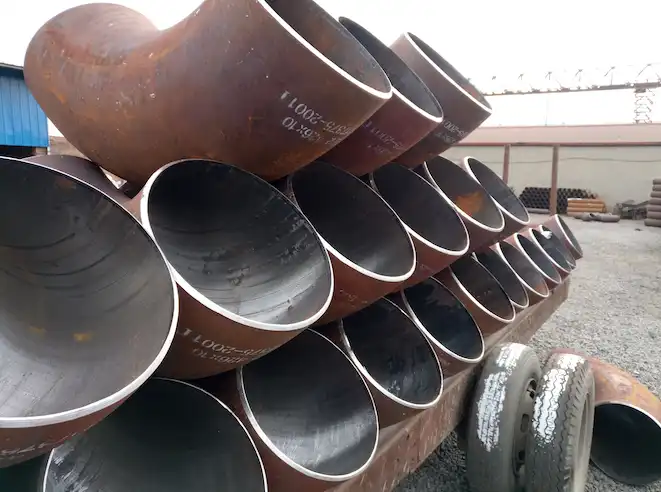
Partner with JS FITTINGS for Premium GOST 17375 Butt Weld Elbow Solutions
Selecting the right GOST 17375 Butt Weld Elbow supplier directly impacts project success and long-term operational performance. JS FITTINGS brings over four decades of manufacturing excellence to deliver premium pipe fittings that exceed industry expectations. Our advanced production facilities and comprehensive quality control systems ensure consistent product quality that meets the most demanding application requirements.
Our extensive experience serving EPC contractors, distributors, and industrial end users provides a deep understanding of project challenges and procurement needs. We maintain strategic inventory levels that support urgent delivery requirements while offering competitive pricing that helps control project budgets. Technical support services assist with product selection and application guidance throughout the project lifecycle.
Comprehensive certifications, including ISO 9001, CE, and GOSTR, demonstrate our commitment to quality excellence and regulatory compliance. Our products meet ASME B16.9, EN 10253, and GOST standards with complete technical documentation provided for each shipment. Material traceability and test certificates support quality assurance programs and regulatory compliance requirements.
Custom manufacturing capabilities accommodate special requirements, including non-standard dimensions and premium material grades. Our engineering team collaborates with clients to develop optimized solutions that meet specific application needs. Reducing tees, large-diameter configurations, and special alloy options expand design possibilities while maintaining quality standards.
Whether you need standard carbon steel butt weld elbows for general applications or specialized stainless steel variants for chemical processing, our product range delivers reliable performance that minimizes project risk and operational costs. Contact us at admin@chinajsgj.com to discuss your GOST 17375 Butt Weld Elbow requirements and discover how our expertise supports your project success.
References
1. Kulkarni, A.R., "Industrial Pipe Fitting Standards and Applications: A Comprehensive Guide to GOST, ASME, and EN Specifications," Journal of Industrial Engineering, Vol. 45, No. 3, 2023, pp. 156-172.
2. Petrov, V.N., "Material Properties and Performance Characteristics of GOST 17375 Steel Pipe Fittings," Materials Science and Engineering Review, Vol. 28, No. 7, 2022, pp. 88-103.
3. Chen, L.M., "Quality Control and Manufacturing Processes for Butt Weld Pipe Fittings in Industrial Applications," International Manufacturing Technology Journal, Vol. 19, No. 4, 2023, pp. 234-249.
4. Rodriguez, M.J., "Comparative Analysis of International Pipe Fitting Standards: GOST, ASME, and EN Specifications," Piping Engineering International, Vol. 31, No. 2, 2022, pp. 67-81.
5. Thompson, R.K., "Pressure Rating Systems and Safety Factors in Industrial Pipe Fitting Design," Process Safety Engineering, Vol. 22, No. 6, 2023, pp. 145-160.
6. Nakamura, T., "Corrosion Resistance and Material Selection for Butt Weld Elbows in Chemical Processing Applications," Chemical Engineering Materials Review, Vol. 17, No. 9, 2022, pp. 112-127.
_1761034851179.webp)
_1761292428702.webp)