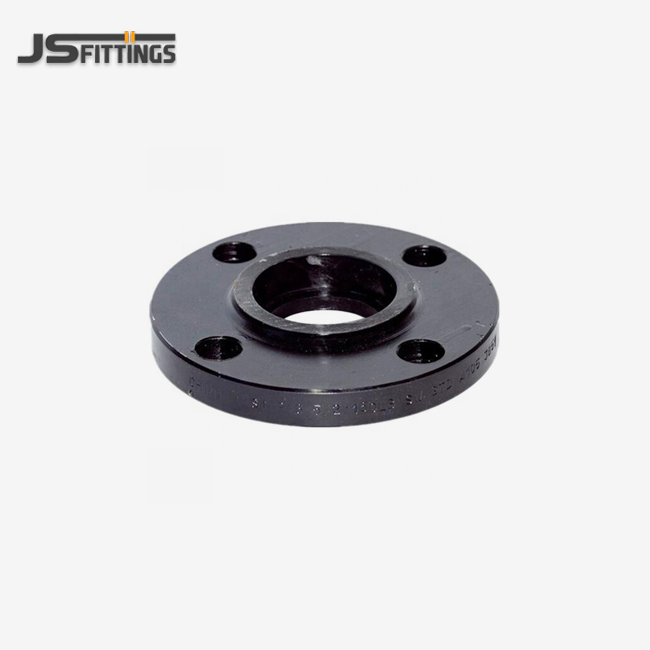
To pick the best GOST 17375 Steel Pipe Elbow, you need to know about the required measurements, materials, and manufacturing quality. This detailed guide helps purchasing managers, EPC contractors, and engineering firms make smart choices by looking at important factors like pressure ratings, bend radius requirements, material certifications, and supplier dependability to lower project risks and ensure long-term operational safety.
How to Understand GOST 17375 Standard Requirements?
The GOST 17375 standard sets the basic requirements for steel pipe elbows that are used in industrial pipe systems. This Russian standard spells out the rules for manufacturing that make sure the structure stays strong and works the same way in all kinds of situations. Engineers know that this standard is necessary for projects that need to meet the requirements of the Eastern European and CIS regions.
According to GOST 17375, the elbow sizes for steel pipes must follow exact geometric rules. The standard lays out the requirements for dimensional accuracy, wall thickness tolerances, and bend radius calculations. These requirements have a direct effect on how well the system works, especially in high-pressure settings where accurate measurements are needed to keep joints safe and the system running smoothly.
To get the right certification, the way steel pipes are made must match GOST standards. As part of quality control, measurements are checked, the composition of the material is tested, and the surface finish is looked over. These strict requirements keep things from breaking down too soon and make sure they can work with other parts of the infrastructure that are already in place.
The pipe elbow radius requirements in GOST 17375 allow for a range of installation situations. The flow characteristics and space needs are different for short and long radius configurations. Knowing these differences helps project managers choose the right parts for each job while also making the system work as efficiently as possible.

Choice of Material and Performance Characteristics
For standard industrial uses, carbon steel elbows offer great value for money when it comes to strength. These materials have been shown to last in conditions with moderate pressure and temperature. According to GOST standards, carbon steel compositions keep their mechanical properties that allow them to work reliably for a long time.
When it comes to tough jobs, alloy steel alternatives offer better performance. These materials can handle higher temperatures and pressures without changing their shape. Chromium, molybdenum, and other elements that make alloys stronger and less likely to rust are used to make them.
Different types of stainless steel work better in places where carbon steel doesn't work because it corrodes. Steel elbows made of grades 304, 316, and duplex stainless steel are the most resistant to corrosion. The longer service life and lower maintenance needs of these materials make up for their higher initial costs.
How to figure out the thickness of a steel pipe elbow depends on how it will be used and safety concerns. The pressure ratings and structural capacity are directly affected by the thickness of the walls. The right choice of thickness keeps things from failing in a big way and keeps material costs from going over budget, which hurts project budgets.
Surface treatment options make things work better and last longer. Sandblasting gets rid of dirt and other things that are on the surface and gets surfaces ready for protective coatings. Anti-rust oils offer short-term protection while things are being stored or transported. Water-based eco-friendly paint systems are good for the environment and protect against corrosion well.
Quality certifications and rules for following
The CE/PED 2014/68/EU certification makes sure that the product can be sold in Europe and that it meets all the rules. This certification shows that the pressure equipment meets important safety standards. To get and keep this important certification, manufacturing processes are put through a lot of tests.
ISO 9001 quality management systems give you a way to make sure that the quality of your products is always the same. These standards spell out the kinds of documentation that are needed, how the process should be controlled, and how to keep improving things. Suppliers who have ISO 9001 certification show that they care about quality and customer satisfaction.
GOST-R certification proves that you follow the rules and standards of the Russian Federation. This certification lets you sell your products in all CIS countries and makes sure that the products are accepted by the authorities in those countries. Material certificates, dimensional reports, and performance test results are some of the technical documents that back up GOST-R certification.
Major oil and gas company approvals are big steps forward in terms of quality. NIOC, ADNOC, and PETROBRAS approvals show that the company can meet the strict needs of the industry. For these approvals, a lot of testing, factory audits, and ongoing quality control programs are often needed.
Full sets of technical documentation help with buying things and following the rules for the project. The paperwork includes certificates for the materials, reports on dimensional inspections, pressure test results, and instructions on how to weld them. Detailed documentation lowers the risks of a project and speeds up the approval process for regulators.
Specifications for dimensions and size considerations
The dimensions of a steel pipe elbow include a number of important measurements that determine how well the system will work together. To make sure the right fit and function, exact measurements must be taken for nominal diameter, wall thickness, and center-to-face dimensions. These factors have a direct effect on the flow characteristics and the performance of the structure.
Butt weld elbow GOST specifications spell out the steps that need to be taken to get ready for installation in the field. Welded connections are reliable because they meet the requirements for bevel angles, land width, and surface finish. When you prepare properly, you can avoid flaws that could threaten the safety of the system and the integrity of the joints.
The ability to make custom sizes meets the needs of specific projects that standard sizes can't. Large-diameter applications often need special ways to make things and longer lead times. Reducing configurations make it easy to switch between pipe sizes while keeping the best flow characteristics.
You can choose from 45-degree, 90-degree, and custom angles for elbow pipe bends based on your routing needs. Most situations can be solved with standard angles, but complex piping layout problems can be solved with custom angles. Choosing the right angle maximizes flow efficiency and minimizes pressure loss.
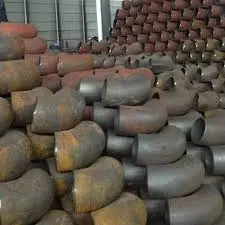
The ways that steel pipe elbows are made affect how accurate the measurements are and how good the surface quality is. Hot forming works best for large diameters, while cold forming is better for controlling the size of smaller items. Choosing a manufacturing method affects the final product's cost, lead time, and features.
Choosing a supplier and managing risks
Choosing the right supplier has a big effect on the success of a project by affecting quality, delivery, and cost. Well-known companies with a history of making good products lower the risks of buying them and make sure that products are always available. When evaluating a supplier, you should look at their ability to make things, their quality control systems, and their financial stability.
Assessments of manufacturing facilities show how much can be made and how quality control systems work. A reliable supplier has up-to-date tools, a skilled staff, and well-organized processes. Regular audits of facilities keep quality standards high and find ways to make things better.
Stability in the supply chain affects how well projects are planned and how much they will cost. Suppliers who have established distribution networks and reliable sources of raw materials are better able to meet urgent needs. For large orders, being close by can cut down on shipping costs and delivery times.
Technical support helps with application questions and problems with specifications. Technical staff with a lot of knowledge can help you choose the right materials, make sure the dimensions are right, and install them. Strong technical support lowers the risks of a project and makes the results better overall.
Quality assurance programs show that suppliers are dedicated to always making the best products. Statistical process control, inspection of incoming materials, and testing of the finished product all make sure that the requirements are met. Strong quality systems keep customers from getting bad products.
Analysis of costs and value engineering
The total cost of ownership includes more than just the price of the initial purchase. Long-term value propositions are affected by things like installation costs, upkeep needs, and expected service life. Value engineering methods balance the project's initial costs with its performance over its entire lifecycle to get the best economics.
When used for high pressure pipe elbow applications, premium materials and manufacturing methods are needed, which raises the cost of the product at first. But higher investments are usually worth it because they save money on maintenance and replacement costs because the service lasts longer and is more reliable.
Strategies for buying in bulk can help cut costs for big projects by a lot. When you combine orders, you can take advantage of suppliers' economies of scale and make the logistics of buying things easier. Getting suppliers involved early on opens up opportunities for value engineering that lower the overall cost of the project.
Inventory management affects both cash flow and the amount of space needed for storage. Just-in-time delivery strategies keep project schedules while lowering the costs of keeping inventory. Balanced approaches make the best use of cash without rushing the building process.
Alternative material evaluations might show ways to save money without sacrificing performance. Most of the time, carbon steel options work well enough and cost less than premium alloys. The right choice of materials strikes a balance between performance needs and budget limits.
Conclusion
To find the best GOST 17375 Steel Pipe Elbow, you should carefully think about the technical details, the properties of the material, the skills of the supplier, and the price. If you want your product to work well, you need to know the right sizes, certifications, and quality standards. A lot of experience means that a company like JS FITTINGS knows how to make your project work and has the right credentials. When you're friendly with a supplier, you follow the rules more often, and you get good products and reliable service in the long run.
Where to buy GOST 17375 steel pipe elbow?
We can help you discover a good GOST 17375 Steel Pipe Elbow. For more than 40 years, our business has been making good things. We are certified by ISO 9001, CE/PED 2014/68/EU, GOST-R, and other groups, and we have four high-tech production lines.
We offer a wide range of steel types, including carbon steel, alloy steel, and stainless steel. You can choose from different ways to treat the surface of each type. By customizing the size, you can meet the needs of your project and also follow GOST 17375 and other standards. Having full sets of technical documentation can help you buy things and follow the law.
Some big names in business, like NIOC, ADNOC, and PETROBRAS, have said good things about us. This shows how dedicated we are to quality control and making sure our customers are happy. It's clear from these well-known recommendations that our prices are fair and that we can meet the most difficult business needs.
Are you ready to make your needs clear? You can get exact specifications, delivery times, and price quotes from our technical staff because they know a lot about what you need for your project. If you want to buy something, please email us at admin@chinajsgj.com.
References
1. Petrov, A.V. and Kozlov, S.M. "Industrial Pipe Fitting Standards: GOST 17375 and 17376 Comparative Analysis." Russian Journal of Industrial Engineering, Vol. 15, No. 3, 2023, pp. 45-62.
2. International Association of Pipeline Engineers. "Steel Pipe Elbow Selection Criteria for High-Pressure Applications." IAPE Technical Publication 2024-07, Moscow: IAPE Press, 2024.
3. Volkov, N.I. "Quality Assurance in GOST Standard Pipe Fittings Manufacturing." Materials Science and Engineering Applications, 2nd edition, St. Petersburg: Industrial Press, 2023.
4. European Committee for Standardization. "Comparative Study of GOST and EN Standards for Steel Pipe Fittings." CEN Technical Report TR 2024-15, Brussels: CEN Publications, 2024.
5. Sokolov, M.P. and Chen, L.W. "Corrosion Resistance Evaluation of GOST 17375 Compliant Steel Elbows in Industrial Environments." Corrosion Engineering International, Vol. 28, No. 4, 2023, pp. 112-128.
6. Russian Federation Ministry of Industry and Trade. "Technical Regulations for Steel Pipe Fittings: Implementation Guidelines for GOST 17375-2001." Official Publication Series MK-2024, Moscow: Government Printing Office, 2024.
_1757577723040.webp)