There are a lot of things you need to think about when picking the best carbon steel A105 flange for oil and gas uses. These include the pressure ratings, the material needs, and the manufacturing standards. This whole guide explains how to choose reliable carbon steel A106 flange options that meet strict industry standards and ensure safety, compliance, and value for money. People who work in procurement can make smart decisions that lower project risks and boost operational efficiency when they know about these things.
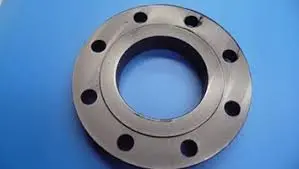
What You Need to Know About Carbon Steel A105 Flanges for Oil and Gas Work?
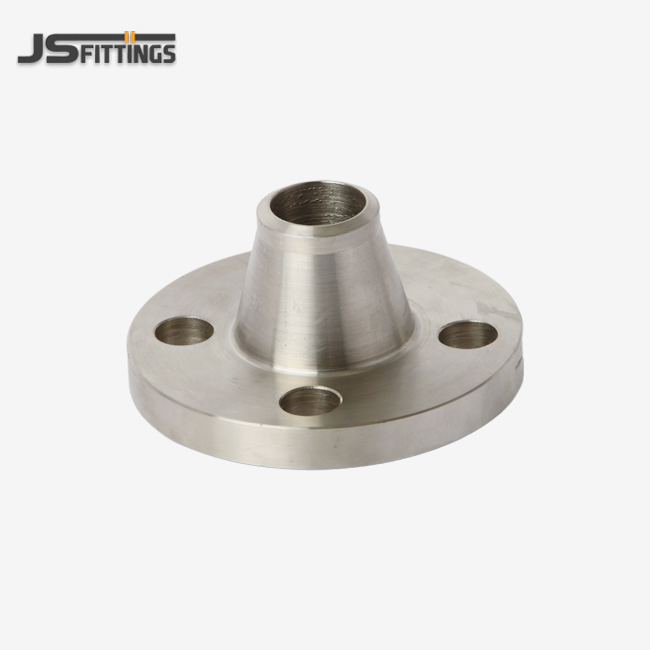
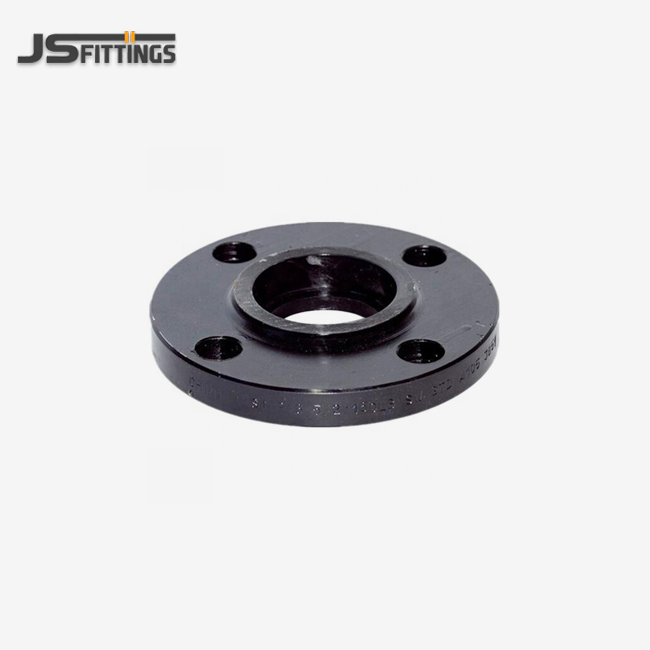
Flanges made of carbon steel A105 are an important part of the oil and gas infrastructure because they safely connect pipes, valves, and other pieces of equipment. When put through a lot of pressure, like in oil fields, these forged carbon steel fittings are very strong and last a long time. It says in the A105 specification what chemicals are used to make these flanges and how they are made so that they can be used in both normal and high-temperature situations.
There is usually up to 0.35 percent carbon in the material, along with small amounts of manganese, phosphorus, and sulfur. When this balanced chemistry is used in tough conditions, it keeps the structure's integrity and lets it be welded perfectly. Pipe flanges made of carbon steel are used in drilling operations upstream, transportation systems in the middle, and refineries downstream.
How well and reliably flanges work depends a lot on how they are made. More uniform grain structures are made by modern forging methods. This makes the material stronger and lessens stress concentrations. The microstructure of the material is evened out through heat treatment. In this way, the part's hardness and tensile strength stay the same all the way through.
To make carbon steel A105 flange connections that don't leak, it's very important to get the sizes right. It is important to machine the hub's sealing surfaces, bolt holes, and sizes exactly so that the gaskets compress properly and the joints stay together. Tolerances on measurements used by companies that make high-quality goods are much tighter than what the law requires. This adds safety for important tasks.
Notes on How to Use and Measure A105 Flanges
There are rules about how to design, make, and test carbon steel flanges that are used in oil and gas. Pipe flanges and flanged fittings must meet ASME B16.5 in North America. It has classes of pressure from 150 to 2500 pounds per square inch. We can use these pressure ratings with a number of different systems, from low-pressure wells for gathering water to high-pressure wells for injecting it.
In line with ASME requirements, ANSI standards set tolerances and specifications for sizes. Getting these standards to work together makes sure that safety and performance standards are met by products made by different companies. Standards EN 1092 are commonly used in European markets since they offer similar requirements that are more in line with European customs and metric measurements.
To certify a carbon steel A105 flange material, you need reports on chemical analyses, tests on its mechanical properties, and the results of non-destructive examinations. These papers show that the AS106 steel flange meets the needs and makes it possible to keep track of it all the way through the supply chain. It is easier to make sure that quality standards are met when there are certified material test reports (CMTRs).
Rates of pressure and temperature tell us the worst situations that some kinds of flanges can work in. To make sure that failure doesn't happen in normal use, these ratings look at the weight of the load, the shape of the flange, and the material's properties. When engineers know these limits, they can pick the right flanges for each job while still having some room for error.
Making sure parts are marked and identified correctly is necessary to make sure they are installed and tracked correctly. The name of the manufacturer, the type of material, and the pressure class are all marked in a standard way. It's easier to check the equipment in the field and plan for maintenance over the course of its life when it's clearly marked.
Things to think about when choosing between OEM and ODM
How well the product is delivered and how well it is made depend on how well the manufacturing works. Factory painting lines these days are automated, which makes sure that the coatings are applied evenly and better protect against corrosion. They make sure that the temperature and humidity stay very low and that the coating is the same thickness on all surfaces.
If a company is internationally compliant, it means it is dedicated to meeting carbon steel A105 flange quality standards around the world. The certifications of top suppliers are always up to date for ASME, ANSI, GOST, EN, BS, SANS, DIN, and JIS. They can work with many clients from around the world because of this. It's easier to buy things for projects that involve people from different countries when they meet more than one standard. It also makes sure that everywhere the quality is the same.
Once the steel is melted down, material sourcing and traceability systems keep track of its history and the chemistry that goes into making it. These systems do this until the steel is checked for quality. People you can trust that make things keep very detailed records that making it easy to find specific lots of materials and processing conditions. For good investigations and to make changes when they're needed, this is helpful.
It is necessary to test and inspect things to make sure they are accurate in terms of measurements, the material's properties, and the finish on the surface. In thorough testing programs, things are looked at, chemically tested, stretched, and checked to see how hard they are without breaking them. The inspection tools we use today, like ultrasonic testing systems and coordinate measuring machines, make sure that important things are checked correctly.
Customization lets you meet the specific needs of a project in a way that stock items can't. It's better to use water-based, eco-friendly paint, sandblast the surface, put on anti-rust oil, or use epoxy coating systems to stop corrosion in harsh environments. When the gear is used in rough conditions, these treatments make it last longer and need less maintenance.
When picking materials, what things should to think about and how well they work?
Different kinds of materials can be used to get the best results in different settings and for different goals. Carbon steel A105 flange carbon steel is fine for everyday use most of the time. These steels, on the other hand, don't rust as easily and can handle higher temperatures.
Most of the time, standard oil and gas operations use carbon steel welding flanges because they are cheap and strong. That stuff doesn't lose its shape even after being loaded and unloaded a lot of times. It's easy to weld with regular pipeline steels. If the right welding techniques are used and heat is applied after the welding process, the joint will last as long as it's supposed to.
It is very important that something doesn't rust when hydrogen sulfide, carbon dioxide, or chloride is around. Carbon steel that is used in everyday life might need coatings or cathodic protection systems to keep it from breaking down too quickly. It is better for low-alloy steels and other materials to resist corrosion, and they are still cheap.
The material can only be used in a certain temperature range when it is heated up, like when it is used for thermal recovery or steam injection. Up to 450°F (232°C), most A105 materials can handle temperatures. However, you may need to use better materials that don't creep at higher temperatures.
Things need to be tough enough to handle impact based on how hot they are and how important the service is. You might need to do Charpy V-notch testing when the temperature is low to make sure the toughness is good at the lowest design temperature. Because of these tests, things don't break easily when things go wrong or when temperatures change quickly.
Dimensional Standards and Needs for Compatibility
The dimensions of an A106 flange must meet the relevant standards to make sure it fits correctly with other parts. There are three standard types of facing: raised face, flat face, and RTJ (ring-type joint). Each is made for a different type of gasket and sealing need. The right choice stops leaks and guarantees long-term joint integrity.
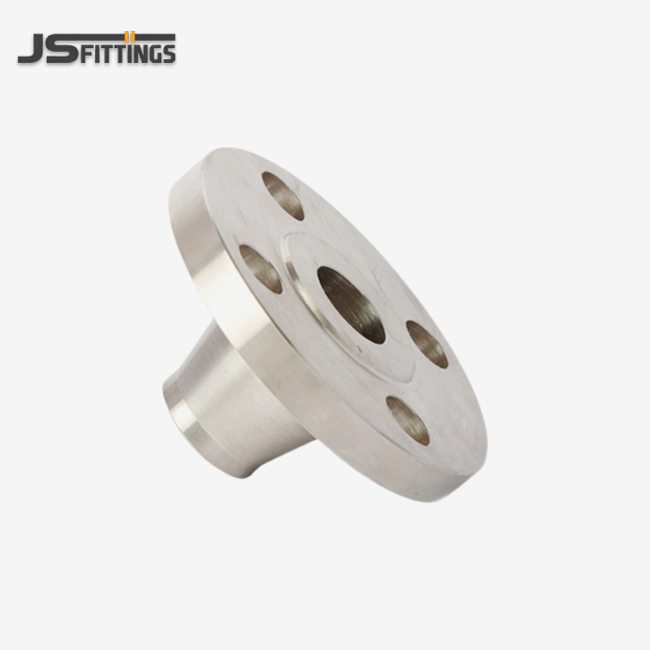
Specifications for hub thickness and bore diameter allow for different pipe schedules and pressure needs. For heavy-duty uses, hubs may need to be thicker to handle bolt loads and internal pressure stresses. The A106 flange size chart shows the relationships between sizes so that standard piping parts can be used.
Standardized patterns for the placement of carbon steel A105 flange bolt holes make assembly and maintenance easier. Standard bolt spacing allows for common fastener sizes and enough space between holes to keep the structure strong. Preparing the bolt holes correctly stops galling and makes sure that the load is spread out evenly.
Surface finish requirements affect how well a gasket seals and how well it works. To keep gaskets from getting damaged and to make sure stress is spread evenly, machined surfaces must meet certain roughness standards. Depending on the gasket material and the needs of the application, either focused serrations or smooth finishes can be chosen.
Controlling the dimensions of things makes sure that the assembly and fit-up steps are always the same. Precision manufacturing keeps close tolerances on important dimensions while leaving enough room for thermal expansion and changes in the way the parts are put together. This balance keeps the right amount of engagement while stopping interference fits.
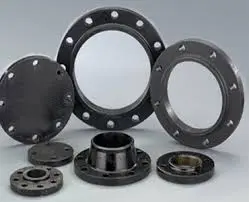
Strategies for lowering costs and managing risks
The initial purchase price, installation costs, maintenance needs, and replacement frequency are all things that are looked at in a total cost of ownership analysis. It may be more expensive to buy premium flanges at first, but they usually end up costing less in the long run because they don't need as much maintenance and last longer.
Reliability in the supply chain is becoming more and more important for keeping projects on schedule and keeping operations running. It's easier to be sure that carbon steel A105 flange products will be delivered on time and be of the same high quality when you buy from established manufacturers with a track record. Diversified supplier networks lower the risks that come with relying on just one source.
Carrying costs and stock-out risks are balanced in inventory management strategies. For distributors and stockists to keep enough inventory on hand while minimizing their working capital needs, supply chains need to be stable. Bulk purchasing agreements may save you money and make sure you always have enough supplies.
Quality assurance programs lower the chance of failures in the field and the costs that come with them. Before a product is shipped, it is inspected and tested thoroughly to make sure it meets all the requirements. This keeps expensive delays and extra work from happening. For important applications, third-party inspection services add another layer of security.
Warranty and support programs show that the company that made the product is confident in its quality and gives customers a way to get their money back if it breaks down too soon. Comprehensive warranties cover both material defects and problems with the way the product was made, which lowers the financial risk for end users. Technical support services help with choosing the right product, setting it up correctly, and fixing problems.
Conclusion
To find the best carbon steel A105 flange for oil and gas use, pay close attention to the specs, quality factors, and the skills of the supplier. You need to know the exact measurements, how the materials work, and the rules for making things that make sure the end result works well even when things get tough and things get tough. Workers in procurement can make projects less risky and save money by working with manufacturers who have been in business for a while, have all the necessary certifications, and have advanced production skills. It's worth the money to get good flanges because they will last longer, need less upkeep, and make the whole project safer.
Steel flanges like these made of A105 are the best.
JS FITTINGS makes good carbon steel A105 flanges out of A105 carbon steel. They've helped people in the oil and gas business for more than forty years. We use the most up-to-date painting lines and other high-tech tools to make sure that every part we make is the best it can be and won't rust.
Our certifications come from ASME, ANSI, GOST, EN, BS, SANS, DIN, and JIS, which shows that we care about quality all over the world. When things meet a lot of different standards, it is easier to buy them for projects that span borders. Also, this makes sure that the things can be used in many situations.
We can change a lot of things. On the surface, we could sand it down, use anti-rust oil, water-based eco-friendly paint systems, or an epoxy coating to get it ready. The high-tech treatments make the tools last longer and need less maintenance in harsh places.
We have four factory lines that are the most up-to-date and are certified by ISO 9001, CE, and GOST-R. We can now work on big projects and finish them on time. They come from South America, Asia, and the Middle East. The needs of everyone can be met, no matter how hard they are.
It's great to work with a manufacturer who gets what you're going through and can help you figure out ways to make the project safer and more valuable. Tell us what you need help with for your next project by emailing admin@chinajsgj.com.
References
1. American Society of Mechanical Engineers. ASME B16.5-2020: Pipe Flanges and Flanged Fittings: NPS 1/2 through NPS 24 Metric/Inch Standard. New York: ASME Press, 2020.
2. ASTM International. ASTM A105/A105M-19: Standard Specification for Carbon Steel Forgings for Piping Applications. West Conshohocken: ASTM International, 2019.
3. European Committee for Standardization. EN 1092-1:2018: Flanges and their joints - Circular flanges for pipes, valves, fittings and accessories, PN designated - Part 1: Steel flanges. Brussels: CEN, 2018.
4. Russian State Committee for Standards. GOST 33259-2015: Steel welded flanges. General technical requirements. Moscow: Standartinform, 2015.
5. British Standards Institution. BS 4504-1:1989: Flanges and bolting for pipes, valves and fittings. Specification for steel flanges. London: BSI Group, 1989.
6. Japanese Industrial Standards Committee. JIS B 2220:2004: Steel pipe flanges. Tokyo: Japanese Standards Association, 2004.