It's important for industrial pipe systems to have the GOST 17375 Seamless Pipe Elbow because it works well and can be counted on every time. This full guide for 2025 goes over everything, from technical details and material options to how to pick the right one and put it up in the best way. By understanding GOST 17375 standards, engineers, procurement managers, and project developers can make choices that lower risk, make sure compliance, and improve project outcomes in a lot of different fields.
How to Understand the Rules and Standards in GOST 17375?
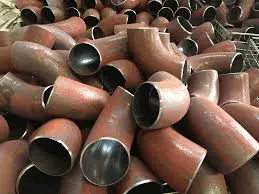
Elbows made of seamless steel pipe that are used in factories must follow strict rules set out in GOST 17375. In this Russian standard, the quality is the same from one supplier to the next. It says how things should be made, how big they can be, and what materials should be used. The standard includes different elbow shapes, like those that bend at 90 degrees, 45 degrees, or any other angle.
High-tech metalworking and precise machine tools are used to make modern pipe elbows that meet GOST 17375. These pipe fittings are put through a lot of tests to make sure they have the right mechanical properties, sizes, and surfaces. Different grades of steel must meet certain chemical composition requirements set by the standard. This makes sure that the steel can be used in many situations.
Part of GOST 17375 Seamless Pipe Elbow quality assurance rules are non-destructive testing methods, such as ultrasonic inspection and radiographic examination. These steps look for issues inside the elbow and make sure that the thickness of the walls is the same all the way around the shape. Manufacturers need to keep careful records that show they follow all the rules in the specification.
GOST 17375 has been changed because of better technology and many years of experience in the field. New updates include more up-to-date ways to weld, better ways to measure corrosion resistance, and better ways to figure out pressure ratings. GOST pipe standards can still be used to solve engineering problems today, thanks to these ongoing changes.
Different types of materials and ways to treat the surface
Business people most often use carbon steel elbows because they are strong for the price and can be used in a lot of different ways. When the temperature and pressure are just right, these steel pipe elbows will work well for a long time. You may have heard of St20, 20G, and other low-carbon grades. These are best for certain service conditions.
Stainless steel elbows are better for use with food and in harsh environments because they don't rust. 304L, 316L, and duplex are some of the most common grades of stainless steel. They all have different levels of chemical resistance and mechanical strength. With a seamless construction, there are no possible leak paths like there are with joints that are welded together.
If you pick GOST 17375 Seamless Pipe Elbow alloy steel, you can use it in different ways than carbon steel. An alloy made of chrome and molybdenum works well at high temperatures. Grades that have nickel added to them work better at low temperatures because they are tougher. Power plants and petrochemical plants use these unique materials in very important ways.
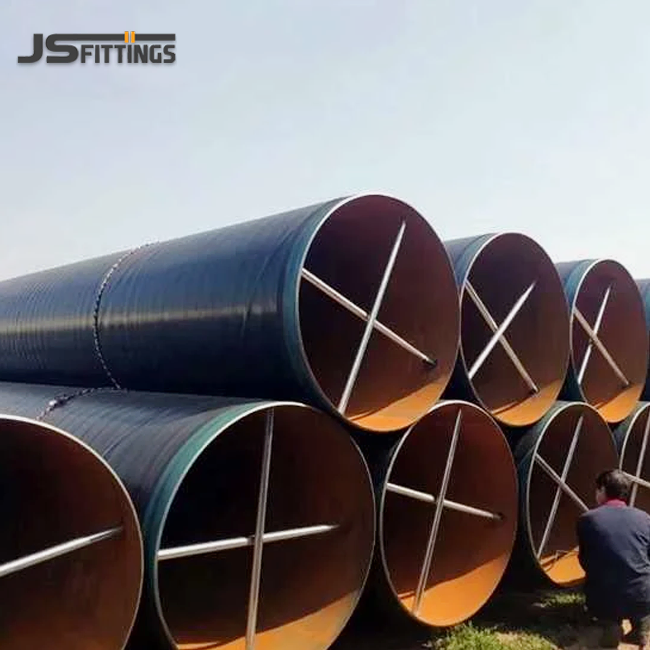
Technologies that treat the surface of things keep them from rusting and make them last longer. Cleaning the surface with sandblasting gets rid of mill scale and other dirt, which helps the coating stick better. Anti-rust oils protect things temporarily while they are being stored or moved. Water-based paints that are good for the environment protect against corrosion over time.
Chemicals don't hurt epoxy coating systems very much, and they last a long time mechanically. A lot of tests are done on these high-tech defenses to make sure they stick well and can handle the environment. Still, getting the surface ready correctly is very important for getting the best coating performance and durability.
Dimensional standards and the ability to make things to any size
Standard pipe elbow sizes are based on the GOST 17375 size range, which goes from DN15 to DN1200 and beyond. Different pressure ratings and application needs can be met by common wall thickness schedules. The elbow radius requirements make sure that fluid flows smoothly while keeping the structure strong under operating loads.
Custom sizing lets you meet the specific needs of a project that go beyond what's normally available. Big infrastructure projects and factories depend on large-diameter 90-degree elbows. Reducing elbows changes the direction of flow and the size of the pipe, which makes the layout more efficient and lowers the cost of installation.
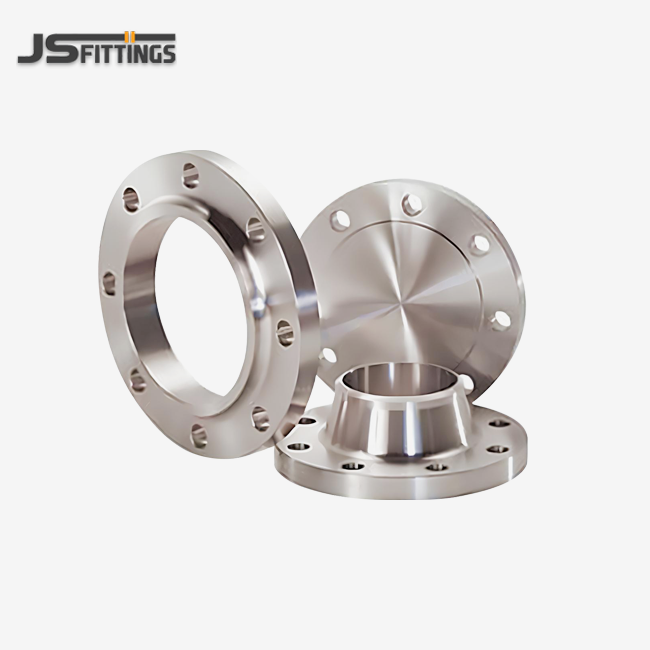
Controlling the dimensional tolerance of GOST 17375 Seamless Pipe Elbow makes sure that the parts fit correctly with the pipes next to them. Accurately preparing the ends makes butt weld connections go smoothly while keeping the pressure boundary intact. With today's advanced manufacturing methods, even on large and complicated shapes, tight tolerances can be reached.
Special configurations include bends with short radii for installations with limited space and bends with long radii for uses that need minimal pressure drop. These differences give designers more freedom in how they make things while still following all the rules and codes that apply. With engineering support, choosing the right elbow for a project is made easier.
Programs for certification and quality control
European safety directives are met by marking with the CE mark and following the rules in PED 2014/68/EU. For these certifications, thorough reviews of the designs, the ability to track materials, and quality systems for manufacturing are needed. Regular surveillance audits make sure that certification requirements are still being met.
GOST 17375 Seamless Pipe Elbow ISO 9001 quality management systems set the rules for consistent production methods and efforts to keep getting better. Procedures that are written down cover everything, from getting the materials to shipping the finished product. Internal audits and management reviews make sure that the system works well and that customers are happy.
GOST-R certification proves that you follow the rules and standards of the Russian Federation. This certification lets you get into markets and shows that your product is safe and of good quality. Certification stays valid throughout the lifecycle of a product as long as testing and documentation are kept up to date.
Major oil and gas projects can happen anywhere in the world as long as they get international approval from groups like NIOC, ADNOC, and PETROBRAS. For these approvals, a lot of technical paperwork, sample testing, and facility inspections are needed. Keeping multiple approvals shows that you can manufacture things well and care about quality.
Material test reports, dimensional inspection records, and copies of certifications are all part of full technical documentation packages. Digital documentation systems make it easy to find information quickly and keep track of projects. Keeping detailed records helps with warranty claims and future maintenance tasks.
Best Practices for Setting Up and Being Safe: Things to Think About
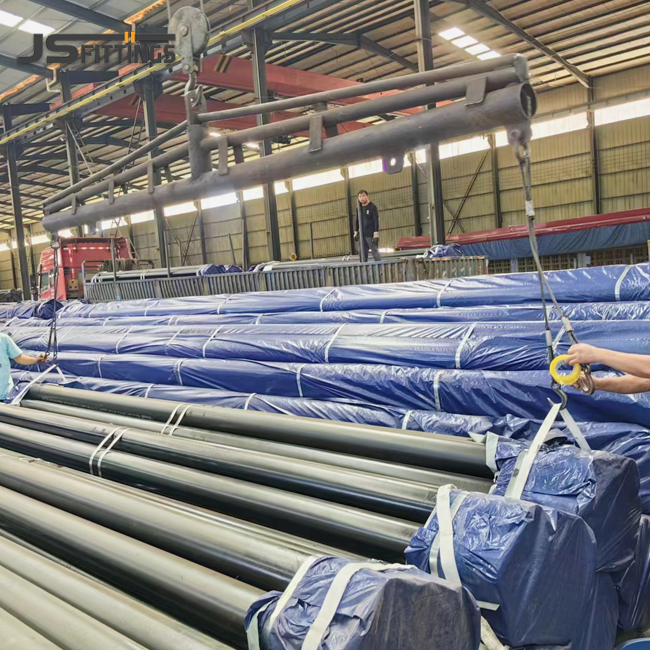
By taking the right steps when handling, you can keep things from getting damaged while they are being moved or stored. End caps that protect keep surfaces that have been machined clean and free of damage from the machines. People with large elbows don't bend when they're handling things because they have enough support.
Before installation, the surface is checked to make sure it is in good shape, and the measurements are right. An eye test shows any damage from shipping or mistakes in the making that needs to be fixed. Before welding starts, the parts are checked to make sure they fit correctly with the pipes next to them. This is called dimension verification.
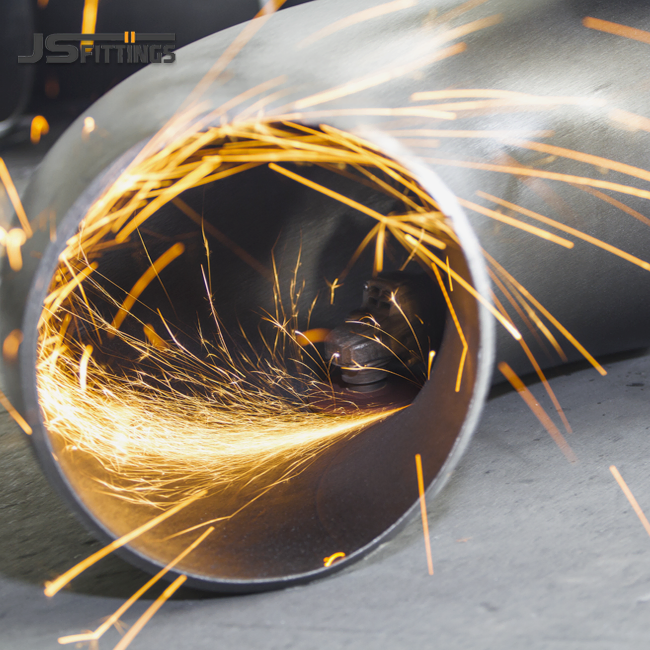
To get ready to weld, you need to carefully clean the areas where the welding will take place and set up the joint gaps correctly. The quality and strength of the weld are always the same when qualified welding procedures are used. After the weld, the metal may need to be heated up if it is good enough for the job.
GOST 17375 Seamless Pipe Elbow. A pressure test is done on the installation to make sure it is solid before the system is turned on. The hydrostatic testing steps are based on the necessary code rules and take the right safety factors into account. It is easier to make sure the quality of high-pressure uses when you can look at important welds without damaging them.
Some of the things that need to be written down are as-built drawings, records of how materials can be tracked, and test results. Having the right paperwork helps with maintenance tasks in the future and ensures that rules are being followed. It is easier to get information during the life of a building with digital record systems.
Analyzing Total Cost of Ownership and Strategic Procurement in Material Management
The total cost of ownership analysis looks at the price of buying the item, the cost of installing it, and the cost of repairs over time. There is a good chance that better seamless steel fittings will be a better deal because they last longer and need less upkeep. When it comes to important uses, lifecycle cost modeling helps make the case for using high-quality materials.
GOST 17375 Seamless Pipe Elbow. When you buy in bulk, you save money on each item and make sure you have enough in stock. Deals for long-term supply keep prices stable and make sure there are always goods to buy. Strategic partnerships with suppliers let you get technical help and custom solutions for the whole project lifecycle.
Limiting the number of sizes and materials available is one way to use value engineering to save money. Less complexity makes it easier to get things, but the design still works. Including suppliers early in the design process helps find cheap ways to make things work better.
Market timing changes how much things cost and how long it takes to deliver them. Steel prices change all the time, so you need to be flexible about what you buy and how you keep track of your stock. With forward contracting, prices don't go up, and the project budget stays on track.
Conclusion
GOST 17375 seamless pipe elbows are important parts of industrial piping systems that need to be very reliable and perform well. Knowing the different types of materials, their measurements, and the certification needs helps you make smart purchasing choices that lower project risk and guarantee long-term operational success. Modern ways of making things and programs for quality control make sure that products are always the same and meet the needs of the most demanding applications.
When you work with experienced manufacturers like JS FITTINGS, you can get access to their technical knowledge, full certifications, and a supply chain that has been shown to be reliable. We are the best company for your GOST 17375 seamless pipe elbow needs in 2025 and beyond because we are dedicated to quality, offer fair prices, and provide excellent customer service.
High-Quality GOST 17375 Seamless Pipe Elbows from JS FITTINGS: Your Reliable Partner in Steel Fittings
You can count on JS FITTINGS to make high-quality GOST 17375 Seamless Pipe Elbows. They have been making steel butt-weld pipe fittings for over 40 years. For our high-tech production skills, we have four state-of-the-art lines. No matter how big or small the job is, we can promise that it will be done on time and to the same high standard.
Hebei Jinsheng Pipe Fitting Manufacturing Co., Ltd. has many certifications, such as ISO 9001, CE, and GOST-R. These show that we follow high-quality standards all over the world. The fact that our products have been approved by well-known groups like NIOC, ADNOC, and PETROBRAS shows that they can work in the worst conditions.
We have many kinds of materials, like carbon steel, stainless steel, and special alloy grades that have been treated on the outside well. As long as engineers help and sizes are made to order, every project can get what it needs while still following GOST 17375. Projects follow the rules and go smoothly when they have a full set of technical documentation.
EPC contractors, distributors, and industrial end-users choose JS FITTINGS as their supplier because it has good relationships with clients in Asia, the Middle East, and South America. Because our prices are low and our supply chain is reliable, project risk is low, and our customers get the best value.
Are you ready to talk about what your GOST 17375 seamless pipe elbow needs? They can help you choose the right material, figure out the right size, and find solutions that work for you. Feel free to email us at admin@chinajsgj.com to get quotes and technical information that are unique to your project.
References
1. Russian Federation State Standard GOST 17375-2001: Steel seamless pipe fittings for welding - Technical specifications and dimensional requirements
2. International Organization for Standardization ISO 3419: Non-alloy and alloy steel butt-welding fittings for pressure piping applications
3. American Society of Mechanical Engineers ASME B16.9: Factory-made wrought butt-welding fittings standards and specifications
4. European Standard EN 10253: Butt-welding pipe fittings - Material specifications and technical delivery conditions
5. Pressure Equipment Directive 2014/68/EU: Essential safety requirements for pressure equipment manufacturing and certification
6. American Petroleum Institute API 5L: Specification for line pipe used in oil and gas transportation systems