For industrial pipe systems, it is very important to have the right concentric steel pipe fitting Concentric Reducer concentric steel pipe fitting reducer. It might make or break your project. These important parts make it possible to connect pipes with different diameters without any problems. People who work in industry in the CIS countries, the Middle East, Africa, Latin America, and Southeast Asia depend on good concentric reducers to keep things running smoothly, lower maintenance costs, and meet strict rules. Going down in pressure could harm your whole business if you don't have the right pipe reducer. Along with that, it stops any roughness that might happen. Finding the right concentric reducer will save you time and money and keep your system running at its best for as long as it lasts.

Why it's important to have concentrator reducers at work?
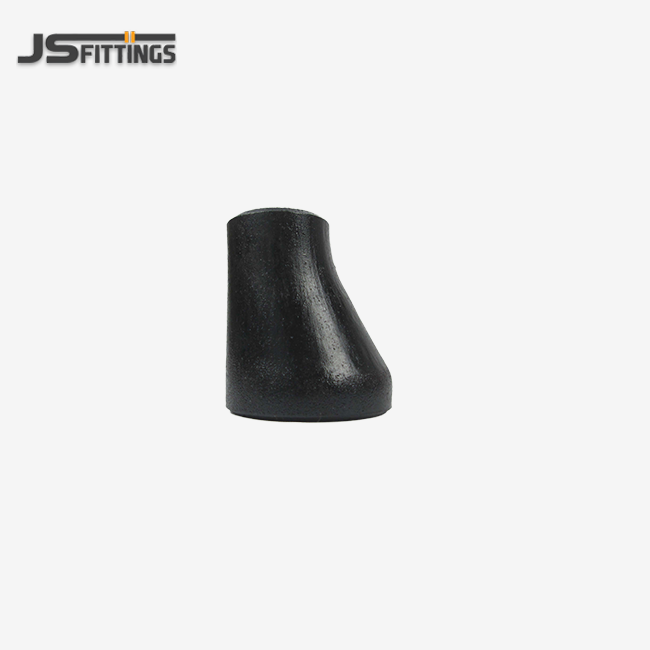
Chemicals, high pressures, and temperatures that change quickly are all things that industrial pipe systems have to deal with. In other words, their parts need to be very strong. Concentrator pipe reducers are very useful where pipes of different sizes meet. They have to be carefully thought out so that the flow stays smooth. In eccentric reducers, the centerline is bent, but in centrifugal reducers, it stays straight. They work great for vertical runs and other times when the flow needs to be spread out evenly because of this.
If you buy cheap pipe fittings, it will cost you more than just the nuts and bolts in a steel pipe fitting Concentric Reducer use. If you don't make your construction well, it can break down early, stop working without warning, and cause safety issues that cost a lot of money in lost production. People who work as engineers, architects, and contractors (EPC contractors) need to pick pipe reducer fittings that they can trust to keep projects on budget and protect their reputation.
Tips on how to pick the best concentric reducers
When we evaluated, we looked at a number of important things that are used to choose industrial procurement. Quality standards like ASME B16.9, EN 10253, and GOST were used to help us make our decision. What kind of material is used, how it is treated on the outside, and how accurate the measurements are all have a direct effect on how well it works and how often it needs to be maintained in the long term.
When you do cost-effectiveness, you look at both the price at purchase and the total cost of ownership. Suppliers who could be counted on to always be available, offer technical support, and provide full documentation were given priority. Regional availability and logistics skills have a big effect on how long projects take and how to keep track of inventory.
When working in an industrial setting, safety rules and reliable performance can't be broken. It has been done successfully in the past with products that have been certified by CE/PED 2014/68/EU, ISO 9001 quality management systems, and big companies like NIOC, ADNOC, and PETROBRAS.
Reducers made of carbon steel that are seamless and concentric, and work well for heavy loads
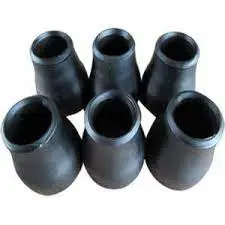
When there is a lot of pressure, and the parts need to be strong and cheap at the same time, carbon steel concentric reducers work great. Even though they are used in rough places, these strong pipe size reducers don't change shape when the temperature does. Seamless construction gets rid of the weak spots that come with welded construction when making something.
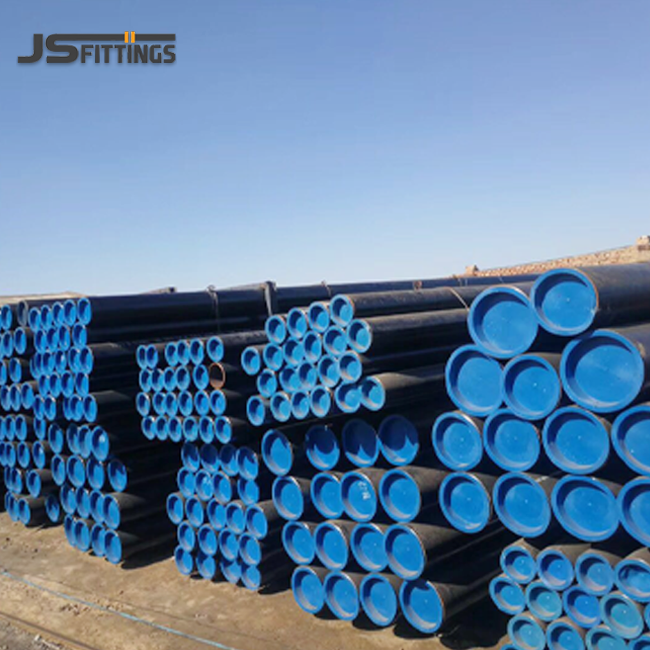
Things last longer in places where corrosion is common when steel pipe fitting Concentric Reducer surfaces are treated with sandblasting and anti-rust oil. The even thickness of the walls makes sure that stress is spread out evenly when the walls expand and contract. Because carbon steel is easy to weld, it is easier to install, costs less, and takes less time to complete.
One reason EPC contractors like carbon steel is that it has been used successfully in petrochemical, power generation, and industrial processing. It is cheap enough for big projects and can handle a wide range of temperatures and pressures, so it can meet strict requirements. The sizes are the same as the global standards for pipes, so all projects around the world can work together.
When carbon steel is easy to find and meets standards, it's easier to keep track of inventory. Just-in-time delivery is important for keeping projects on track, so distributors make sure they have enough ready-to-ship items on hand. The fact that the material can be recycled is good for the environment, which is becoming a bigger factor in industrial buying decisions.
Concentric reducers made of stainless steel—excellent corrosion resistance
For chemical processing, food and beverage, and pharmaceutical uses, stainless steel concentric reducers offer the best corrosion resistance. The composition of Grade 316L material is better at withstanding chloride environments and acidic conditions that would quickly wear down carbon steel alternatives.
The smooth inside finish of the steel pipe fitting Concentric Reducer keeps pressure drops to a minimum and keeps products from getting contaminated, which is very important in sanitary settings. Austenitic stainless steel keeps its mechanical properties over a wide range of temperatures, from very cold environments to high temperatures. Passivation treatments make surfaces less likely to rust, which means they don't need to be serviced as often and cost less to maintain.
Tight dimensional tolerances are needed for automated welding processes, and manufacturing precision ensures them. Because the material is so easy to shape, it can be made into any shape you want, including reducing tees and special angle transitions. Quality control steps make sure that the structure of the grains and their mechanical properties meet strict requirements.
Long-term cost analysis often shows that stainless steel is better, even though it costs more at first. Premium prices are balanced out by lower maintenance needs, longer service lives, and fewer replacements. Because the material looks nice and is clean, it is preferred for public areas and industries that have to follow rules.
High-temperature concentric reducers made of alloy steel
For applications that need to withstand high temperatures and pressures, alloy steel formulations offer better mechanical properties. Compositions of chrome and molybdenum keep their strength at high temperatures, where carbon steel would lose its ability to hold together. These special pipe reducer fittings work great in petrochemical plants, refineries, and power plants.
Processes that use heat to change the structure of grains in steel pipe fitting Concentric Reducer make them more resistant to creep and fatigue. Controlled cooling cycles get rid of internal stresses that could cause things to break too soon when they are loaded and unloaded over and over again. Material certificates show that the chemical make-up and mechanical properties meet the requirements set by the specification.
To keep the material's properties, installation procedures need to use specific welding techniques and heat treatment after the welding is done. Welders who are qualified and follow the right steps make sure that the joint stays solid for the whole life of the component. Non-destructive testing checks the quality of the weld and the strength of the structure.
Buying alloy steel concentric reducers is a good idea because they last longer between repairs and work well even in tough conditions. Documentation that shows where materials came from helps with quality control programs and meeting the rules that are common in industries that are regulated.
Large Diameter Concentric Reducers for Infrastructure Projects
Infrastructure projects often require custom large diameter concentric reducers exceeding standard catalog dimensions. Manufacturing capabilities supporting sizes up to 60 inches in diameter enable pipeline projects, water treatment facilities, and industrial process applications. Custom fabrication ensures optimal fit and performance for unique project requirements.
Heavy wall thickness options provide additional safety margins for high-pressure applications. Reinforcement rings and special support features accommodate installation stresses and operational loads. Engineering analysis verifies structural adequacy for specific operating conditions and seismic requirements.
Transportation and handling considerations influence design optimization for oversized steel pipe fitting Concentric Reducer components. Modular construction allows field assembly when shipping limitations prevent single-piece delivery. Lifting points and handling features facilitate safe installation procedures.
Government and municipal projects benefit from compliance with local standards and specifications. Documentation packages include material certificates, dimensional inspection reports, and hydrostatic test results. Quality management systems ensure consistency across large quantity orders.
Epoxy Coated Concentric Reducers for Enhanced Protection
Advanced coating systems extend service life in challenging environments where standard materials would quickly deteriorate. Epoxy coatings provide barrier protection against chemical attack and galvanic corrosion. Multi-layer systems combine primer adhesion with topcoat durability for maximum protection.
Application processes ensure uniform coating thickness and complete coverage of complex geometries. Surface preparation, including abrasive blasting, creates optimal adhesion conditions. Curing procedures develop full coating properties before shipment and installation.
Field repair procedures maintain coating integrity during installation and service. Touch-up materials and application instructions support maintenance programs throughout the component's service life. Regular inspection protocols identify coating degradation before substrate corrosion begins.
Economic benefits include extended service intervals, reduced replacement costs, and lower maintenance requirements. Environmental protection aligns with sustainability goals and regulatory requirements for protective systems.
Water-Based Eco-Friendly Painted Concentric Reducers
Environmental consciousness drives demand for eco-friendly surface treatments for steel pipe fitting Concentric Reducer that eliminate hazardous air pollutants and volatile organic compounds. Water-based paint systems provide corrosion protection while meeting strict environmental regulations. These sustainable solutions align with green building certifications and corporate responsibility initiatives.
Performance characteristics match traditional solvent-based systems through advanced polymer chemistry and application techniques. Adhesion testing verifies bond strength under operational stresses. Accelerated weathering tests confirm long-term durability expectations.
Application facilities benefit from reduced emissions, improved worker safety, and simplified waste disposal procedures. Regulatory compliance simplifies permitting and reduces environmental monitoring requirements. Health and safety improvements create better working conditions for manufacturing personnel.
Market acceptance continues to expand as performance data demonstrates equivalent protection capabilities. Cost considerations include reduced environmental compliance expenses and potential incentives for sustainable manufacturing practices.
Custom Reducing Tees and Special Configurations
Complex piping layouts often require custom reducing tees, combining flow direction changes with diameter transitions. Engineering capabilities support unique geometries optimized for specific applications. Three-dimensional modeling ensures proper fit and performance before manufacturing begins.
Flow analysis optimizes internal geometry for minimal pressure losses and turbulence. Computational fluid dynamics modeling predicts performance characteristics under various operating conditions. Design modifications accommodate specific flow patterns and mixing requirements.
Manufacturing flexibility enables rapid steel pipe fitting, Concentric Reducer prototype development and testing. Material selection accommodates application requirements, including temperature, pressure, and corrosion resistance. Quality control procedures verify dimensional accuracy and structural integrity.
Technical support includes installation guidance, welding procedures, and performance verification testing. Documentation packages support project engineering and regulatory approval processes.
ASME B16.9 Certified Concentric Reducers
ASME B16.9 certification ensuresthat dimensional accuracy, material properties, and manufacturing quality meet rigorous industrial standards. Independent testing laboratories verify compliance through comprehensive inspection and testing programs. Certification marks assure product reliability and performance consistency.
Standard dimensions facilitate system design and ensure compatibility across multiple suppliers. Tolerance specifications maintain proper fit with mating components. Material requirements specify minimum mechanical properties and chemical composition limits.
Quality management systems document manufacturing processes and inspection procedures. Traceability records connect finished products with raw material certifications and production records. Statistical process control maintains consistent product quality across production runs.
Procurement advantages include simplified specification writing, reduced inspection requirements, and assured compatibility. Insurance and liability considerations favor certified products with proven compliance records.
High-Pressure Seamless Concentric Reducers
Critical applications requiring maximum pressure ratings benefit from seamless construction, eliminating potential failure points. Manufacturing processes utilizing hot forming create a uniform grain structure and superior mechanical properties. Pressure testing verifies structural adequacy under extreme operating conditions.
Material selection emphasizes high-strength alloys with proven performance under cyclic loading. Heat treatment optimizes microstructure for enhanced fatigue resistance. Non-destructive testing identifies internal defects that could compromise pressure capability.
Design factors for steel pipe fitting Concentric Reducer accommodate pressure surge conditions and thermal cycling stresses. Safety margins exceed minimum code requirements, providing additional protection against unexpected operating conditions. Engineering analysis considers all relevant load conditions and failure modes.
Applications include high-pressure steam systems, hydraulic power units, and process equipment requiring maximum reliability. Performance history demonstrates consistent operation under demanding conditions.
Quick-Delivery Standard Concentric Reducers
Inventory programs support urgent delivery requirements common in maintenance and repair operations. Standard sizes in common materials maintain ready availability for immediate shipment. Regional distribution centers minimize transportation time and costs.
Quality control ensures inventory products meet all specification requirements. Rotation procedures maintain fresh inventory and prevent deterioration during storage. Packaging protects components during transportation and storage.
Emergency support services provide technical assistance and expedited processing for critical applications. Logistics capabilities accommodate special shipping requirements, including air freight and express delivery options.
Cost optimization through volume purchasing and efficient inventory management provides competitive pricing without compromising quality or availability.
Regional Market Analysis and Compliance Considerations
Latin American markets emphasize cost-effectiveness balanced with proven reliability. Local content requirements influence material sourcing and manufacturing locations. Economic conditions drive value-based procurement decisions, focusing on total ownership costs rather than initial pricing alone.
Canadian regulations prioritize safety compliance and environmental protection. CSA standards complement international specifications with additional requirements specific to Canadian conditions. Cold-weather performance becomes critical for outdoor installations and unheated facilities.
African infrastructure development creates opportunities for large-scale projects requiring comprehensive supplier capabilities. Local partnership requirements and technology transfer agreements influence supplier selection. Harsh environmental conditions demand robust materials and protective treatments.
Southeast Asian markets combine rapid industrial growth with increasing quality awareness. Compliance with local standards and international specifications ensures market acceptance. Supply chain reliability becomes crucial for just-in-time manufacturing operations.
Central Asian energy projects require specialized materials and certifications for extreme operating conditions. GOST compliance remains important for regional acceptance and regulatory approval. Logistics challenges emphasize supplier reliability and support capabilities.
CIS countries maintain strong preferences for GOST standards while gradually adopting international specifications. Material certificates and quality documentation require specific formats and languages. Established relationships and proven performance history influence procurement decisions.
Middle Eastern markets demand premium quality and comprehensive certifications for critical applications. Approval by major operators like ADNOC and other national oil companies opens significant opportunities. High temperature and corrosive environments require specialized materials and treatments.
Purchasing Recommendations and Key Considerations
Successful procurement of steel pipe fitting Concentric Reducer begins with clearly defined specifications, including material requirements, dimensional standards, and performance criteria. Engineering review ensures compatibility with existing systems and future expansion plans. Budget analysis considers both initial costs and lifecycle expenses.
Supplier evaluation should emphasize quality certifications, manufacturing capabilities, and technical support availability. Reference projects and performance history provide insight into reliability and service quality. Financial stability and business continuity plans protect against supply disruptions.
Delivery scheduling must accommodate project timelines while maintaining quality standards. Rush orders often compromise quality control and increase costs. Planning enables optimal manufacturing schedules and comprehensive quality verification.
Technical support requirements include installation guidance, welding procedures, and troubleshooting assistance. Documentation needs encompass material certificates, dimensional inspection reports, and compliance documentation. Training and education services enhance installation and maintenance capabilities.
Industry Trends and Summary
The industrial pipe fitting market continues evolving toward higher quality standards, environmental sustainability, and digital integration. Advanced materials and coating systems extend service life while reducing maintenance requirements. Automation and digitalization improve manufacturing consistency and supply chain visibility. Sustainability initiatives drive demand for eco-friendly treatments and recyclable materials. Market consolidation emphasizes supplier capabilities and comprehensive service offerings rather than price alone.
FAQ
Q1: What's the difference between concentric and eccentric reducers?
A: Concentric reducers maintain centerline alignment between inlet and outlet pipes, while eccentric reducers offset one side to prevent air pockets in horizontal lines. Concentric designs work best for vertical installations and applications requiring uniform flow distribution.
Q2: How do I determine the correct concentric reducer size for my application?
A: Select reducers based on inlet and outlet pipe diameters, pressure ratings, and flow requirements. Consider gradual transitions using multiple reducers when size differences exceed 2:1 ratios to minimize turbulence and pressure losses.
Q3: What material should I choose for my steel pipe fitting concentric reducer?
A: Material selection depends on operating temperature, pressure, and corrosive environment. Carbon steel suits general applications, stainless steel handles corrosive conditions, and alloy steel manages high temperatures. Consult material compatibility charts for specific chemicals.
Work with JS FITTINGS to get the best solutions for concentrator reducers
JS FITTINGS has been making high-quality products for over 40 years and can handle your toughest industrial jobs. Our wide selection of concentric reducer products meets the requirements of ASME B16.9, EN 10253, and GOST. We also offer reasonable prices and dependable delivery times. We offer quality that has been approved by NIOC, ADNOC, and PETROBRAS, as well as certifications like CE/PED 2014/68/EU, ISO 9001, and GOST-R. This lowers the risks for your project.
Whether you need standard carbon steel reducers, specialized alloy configurations, or custom large-diameter solutions, our technical team can help you with everything, from coming up with specifications to installing the product. Custom sizes, special materials, and fast delivery are just a few of the things that our steel pipe fitting concentric reducer manufacturer can do to help you meet your important project deadlines.
For your next project, see what a difference good manufacturing and great service can make. Get in touch with our technical experts right away to talk about your needs and find out how JS FITTINGS can improve the performance of your piping system while lowering the total cost of ownership. You can email us at admin@chinajsgj.com to get detailed quotes and technical help that is specific to your needs.
References
1. American Society of Mechanical Engineers. "ASME B16.9 - Factory-Made Wrought Buttwelding Fittings." ASME International, 2018.
2. European Committee for Standardization. "EN 10253-2: Butt-welding Pipe Fittings - Part 2: Wrought Austenitic and Austenitic-Ferritic Stainless Steels." CEN Publications, 2020.
3. Russian Federal Agency on Technical Regulating and Metrology. "GOST 17378-2001: Steel Welded Pipe Fittings." Standards Publishing House, 2019.
4. International Organization for Standardization. "ISO 9001:2015 Quality Management Systems - Requirements." ISO Publications, 2015.
5. European Parliament and Council. "Pressure Equipment Directive 2014/68/EU." Official Journal of the European Union, 2014.
6. Peterson, R.J. "Industrial Piping Systems Design and Installation Best Practices." McGraw-Hill Professional Engineering, 2021.