- English
- French
- German
- Portuguese
- Spanish
- Russian
- Japanese
- Korean
- Arabic
- Greek
- German
- Turkish
- Italian
- Danish
- Romanian
- Indonesian
- Czech
- Afrikaans
- Swedish
- Polish
- Basque
- Catalan
- Esperanto
- Hindi
- Lao
- Albanian
- Amharic
- Armenian
- Azerbaijani
- Belarusian
- Bengali
- Bosnian
- Bulgarian
- Cebuano
- Chichewa
- Corsican
- Croatian
- Dutch
- Estonian
- Filipino
- Finnish
- Frisian
- Galician
- Georgian
- Gujarati
- Haitian
- Hausa
- Hawaiian
- Hebrew
- Hmong
- Hungarian
- Icelandic
- Igbo
- Javanese
- Kannada
- Kazakh
- Khmer
- Kurdish
- Kyrgyz
- Latin
- Latvian
- Lithuanian
- Luxembou..
- Macedonian
- Malagasy
- Malay
- Malayalam
- Maltese
- Maori
- Marathi
- Mongolian
- Burmese
- Nepali
- Norwegian
- Pashto
- Persian
- Punjabi
- Serbian
- Sesotho
- Sinhala
- Slovak
- Slovenian
- Somali
- Samoan
- Scots Gaelic
- Shona
- Sindhi
- Sundanese
- Swahili
- Tajik
- Tamil
- Telugu
- Thai
- Ukrainian
- Urdu
- Uzbek
- Vietnamese
- Welsh
- Xhosa
- Yiddish
- Yoruba
- Zulu
Why Middle East EPCs Choose China Forged Carbon Steel Flanges?
Engineering, procurement, and construction (EPC) companies in the Middle East are picking Chinese companies to make their forged carbon steel flanges more and more because they are cheaper, more reliable, and better quality. Chinese suppliers have become the best because they can make things in new and different ways, follow international standards like ASME B16.9 and EN 10253, and give projects a lot of ways to make them their own. Chinese companies are key suppliers for major infrastructure projects in the Middle East because they offer low prices, have a lot of technical know-how, and have worked with big companies in the area like NIOC and ADNOC in the past.
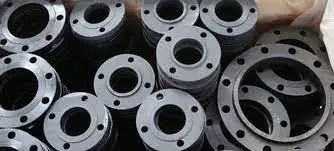
Understanding Forged Carbon Steel Flanges
Manufacturing Process and Material Composition
Forged carbon steel flanges are important parts of industrial piping systems. They are made using high-pressure forming procedures that improve the structure of the molecules and the strength of the metal. Forging, on the other hand, gets rid of internal flaws and makes dense, homogeneous grain structures that are important for high-pressure uses. During the manufacturing process, carbon steel billets are heated and shaped under very high pressure. This makes them stronger and able to handle tough working conditions.
Carbon steel comes in three main grades. Each one is made up of different parts that change how well it works. The amount of carbon in low carbon steel is between 0.05% and 0.25%. This makes it very bendable and strong under pressure. This type of steel is the best mix of strength and ease of workability because it has between 0.26% and 0.60% carbon. High carbon steel, which has between 0.61% and 1.50% carbon, is the toughest and strongest steel for tough jobs. Because of this, it works great in the high-stress situations that are popular in Middle Eastern factories.
Common Flange Types and Applications
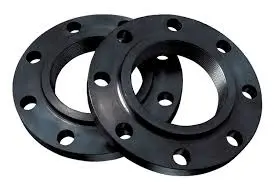
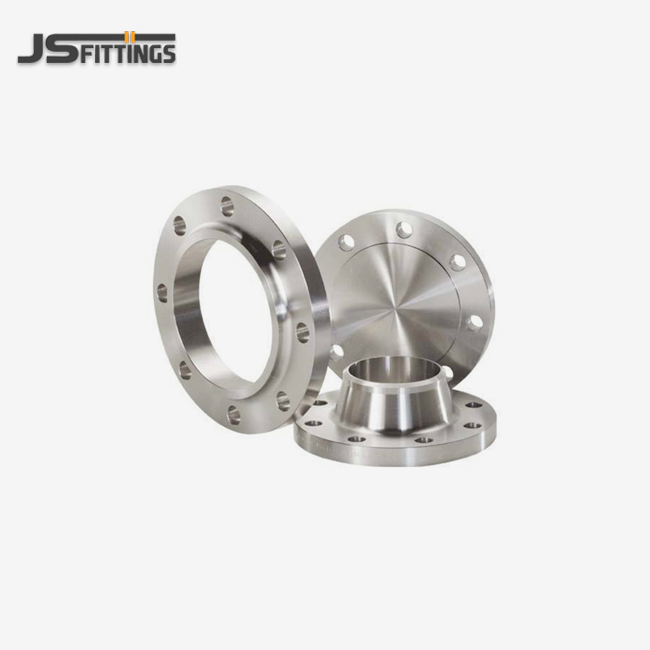
Forged carbon steel flanges can be used in many different ways because they come in many different shapes and sizes that are made for specific piping needs. Weld neck flanges are stronger for high-pressure systems because they have a tapered hub design and can weld all the way through. Slip-on flanges are a cost-effective option for moderate pressure applications that are also easy to install. Blind flanges are permanent closures for pipeline systems that let them grow or be worked on in the future. Threaded flanges can be used with smaller diameter connections where welding isn't possible.
These flanges can handle a wide range of temperatures, from -29°C to 400°C, depending on the grade of the material and the needs of the application. They also have a wide range of pressure ratings, from Class 150 to Class 2500. Surface treatments like sandblasting with anti-rust oil, water-based eco-friendly paint, or epoxy coating make things more resistant to corrosion and endure longer under the harsh circumstances that are common in industrial facilities in the Middle East.
Why China Dominates the Forged Carbon Steel Flange Market for Middle East EPCs?
Advanced Manufacturing Capabilities and Standards Compliance
Chinese companies have spent a lot of money on cutting-edge factories that meet or exceed international standards for quality and efficiency. These facilities have automated forging operations, precise machining centers, and full testing equipment to make sure that the quality of the products is always the same. Most manufacturing plants have more than one production line that can make different types of flanges at the same time. This lets them quickly respond to different project needs while still meeting quality standards.
Following international standards is a key part of what makes Chinese manufacturing so good. Top suppliers keep certifications for ASME B16.5, EN 1092, GOST, and API standards, which makes sure that their goods match the strict technical requirements of Middle East EPC projects. ISO 9001-certified quality management systems control every step of the production process, from getting raw materials to delivering the finished product. Before shipping, third-party inspection services and thorough testing processes check the accuracy of the dimensions, the mechanical qualities, and the material composition.
Economic Advantages and Supply Chain Efficiency
Chinese manufacturers' inexpensive price comes from economies of scale and better production procedures, not lower quality. When a company makes a lot of products, it can spread its fixed costs throughout those products, which allows it to pass on big savings to customers. Strategic sourcing of raw materials and efficient manufacturing workflows help keep costs down while yet meeting quality standards.
The benefits of a supply chain go beyond low prices to include the ability to change minimum order amounts and customize products. Chinese vendors can handle projects of all sizes, from big infrastructure projects that need thousands of flanges to tiny installations that need unique designs. Distributors and contractors can better manage their inventories while still achieving project deadlines thanks to flexible minimum order quantity (MOQ) standards. Comprehensive logistical networks make it easy to transfer goods to the Middle East quickly, and established partnerships make sure that shipping and customs clearance go smoothly.
Comparison of Forged Carbon Steel Flanges from China and Other Markets
Performance Analysis in Middle East Conditions
Piping parts need to work very well in the extreme climatic conditions that are common in Middle East industrial sites. Compared to cast flanges, forged carbon steel flanges made in China are better at withstanding changes in temperature, corrosive chemicals, and mechanical stress. Laboratory tests and data from the field show that forged goods are more durable and reliable under tough situations.
Comparative study shows that certain applications work better with certain materials than others. Stainless steel is better at resisting corrosion, while carbon steel flanges are better for applications where corrosion isn't too bad because they are cheaper. Alloy steel alternatives may be stronger, but they cost a lot more, which affects the economics of the project. Cast flanges are cheaper to make at first, but they may have inherent flaws that make them less reliable over time.
Quality Assurance and Third-Party Validation
Chinese firms have put in place strict quality control systems that are better than those of many other companies throughout the world. These rules involve checking the raw materials, inspecting the work in progress, checking the dimensions, testing the mechanics, and certifying the completed product. Third-party testing agencies check the qualities of materials and the accuracy of their dimensions. This gives customers objective proof of quality that makes them more confident.
Material test certifications, dimensional inspection reports, heat treatment records, and traceability documents are usually included with Chinese forged flanges. This complete set of documents helps the project meet compliance standards and makes it easier to undertake quality audits at all stages of the project. A lot of Chinese suppliers have separate quality control departments with qualified inspectors and high-tech testing tools including spectroscopy, hardness testing, and dimensional measuring systems.
Key Considerations When Procuring Forged Carbon Steel Flanges for EPC Projects
Technical Specification Requirements
A good flange purchase starts with a full understanding of the technical needs of the project. Pressure ratings must match the way the system works, taking into account both normal operating pressures and possible surge conditions. When it comes to temperature ranges, you need to carefully consider both the ambient circumstances and the process temperatures. This is especially true in the Middle East, where high heat makes things much harder.
Choosing materials means finding a balance between performance needs and cost, while also making sure the materials meet the project's criteria. Carbon steel grades must meet the needs of the application. Low carbon steel is good for moderate pressure applications, while high carbon steel is only good for very harsh conditions. The choice of surface treatment relies on how much exposure the surface will have to the environment. For example, improved coatings are best for corrosive conditions or when a longer service life is needed.
Supplier Evaluation and Risk Management
When looking at possible suppliers, you need to look at their manufacturing skills, quality processes, and past work on similar projects in great detail. Site audits give us useful information about how things are made, how quality is checked, and how management works. Certification verification checks that suppliers meet international standards and backs up their statements about their abilities and approvals.
Risk management plans should include making sure the supply chain is stable, deliveries are on time, and quality stays the same. Building ties with more than one qualified supplier gives you backup choices for important projects and keeps prices low by making suppliers compete with one other. Regularly checking on suppliers' work and giving them criticism helps keep them accountable and makes sure that product quality and service delivery keep getting better.
JS FITTINGS: Your Trusted Partner for Forged Carbon Steel Flanges
Company Overview and Manufacturing Excellence
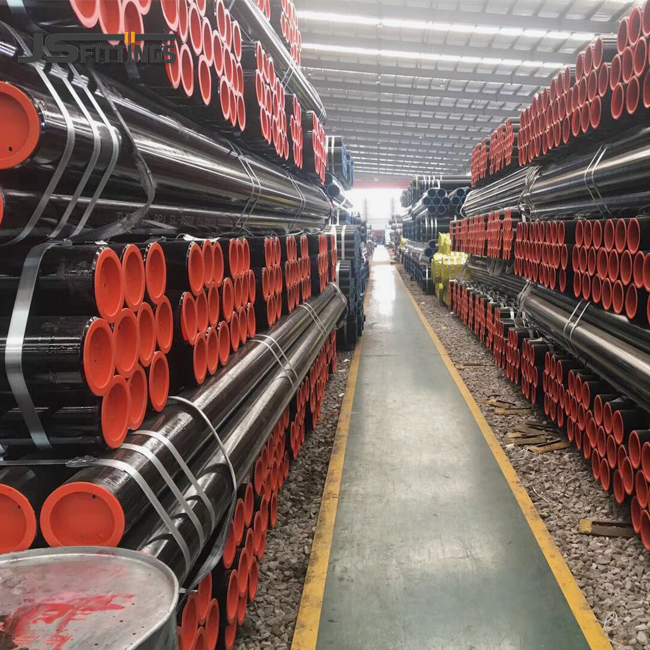
Hebei Jinsheng Pipe Fitting Manufacturing Co., Ltd. (JS FITTINGS) has been making forged carbon steel flanges for over 40 years. They are a valued partner for Middle Eastern EPC contractors and industrial end users. Our modern production facilities have four separate manufacturing lines, each with the latest forging tools and precision machining capabilities. This infrastructure lets us make a wide range of flanges while keeping rigorous quality standards and on-time delivery schedules.
Our dedication to quality goes beyond just making things. We also have full quality management systems that meet ISO 9001, CE, and GOST-R standards. These certificates show that we meet international quality standards and give clients peace of mind about the reliability and consistency of our products. Regular audits and ongoing improvement projects make sure that our production processes stay in line with changing industry standards and client needs.
Product Portfolio and Customization Capabilities
JS FITTINGS has a wide range of products that include all the main types of flanges, such as weld neck, slip-on, blind, threaded, and specialized configurations. We can make custom sizes and specific materials, which means we can meet the needs of projects that ordinary items can't. Pressure ratings range from Class 150 to Class 2500, and temperature values are good for a wide range of industrial uses in the Middle East.
You can treat the surface with sandblasting and anti-rust oil, water-based eco-friendly paint systems, or modern epoxy finishing solutions. These treatments make things less likely to rust and last longer in the harsh conditions that are common in Middle Eastern industrial sites. Our technical staff works closely with customers to choose the best surface treatments based on the needs of the application and the conditions of the environment.
Conclusion
Middle Eastern EPC contractors still choose Chinese forged carbon steel flanges because they are known to be better in terms of quality, cost-effectiveness, and supply chain reliability. Chinese companies like JS FITTINGS have shown that they can consistently meet tough project requirements while offering affordable prices and various service alternatives. Chinese vendors are the best choice for important infrastructure projects because they have modern manufacturing capabilities, strong quality control systems, and a wide selection of products. These collaborations will continue to be important for effective project execution and long-term operational reliability as industrial development in the Middle East continues to grow.
FAQ
1. What are the benefits of forged carbon steel flanges compared to cast ones?
Forged carbon steel flanges have better mechanical qualities since they don't have the internal flaws that are frequent in cast items. The forging process makes dense, even grain structures that make things stronger, more resistant to impact, and better able to handle pressure. These traits are especially useful in high-pressure situations where reliability is a must.
2. How do Chinese companies make sure that the quality of forged flanges stays the same?
Chinese manufacturers have full quality management procedures that include checking the raw materials, inspecting the work in progress, testing the mechanics, and certifying the finished product. Third-party inspection services check that the dimensions and material qualities are correct, and ISO 9001 certification makes sure that quality standards are always followed during production.
3. What are the usual lead times and minimum order quantities (MOQs) for EPC projects in the Middle East?
The time it takes to get an order usually ranges from 4 to 8 weeks, depending on the product specifications and the number of items ordered. For urgent needs, there are also options for faster delivery. Minimum order numbers are nevertheless flexible, so they can work for both big infrastructure projects and smaller, more specialized uses. This is possible because of good production planning and inventory management.
Partner with JS FITTINGS for Your Forged Carbon Steel Flange Requirements
Ready to experience the quality and reliability that has made JS FITTINGS a trusted forged carbon steel flanges manufacturer for over 40 years? Our team stands ready to support your next project with comprehensive technical expertise, competitive pricing, and flexible service options tailored to your specific requirements. Contact us today at admin@chinajsgj.com for detailed product catalogs, customized quotations, and sample requests. Visit chinajsgj.com to explore our complete product range and discover why Middle East EPC contractors consistently choose JS FITTINGS as their preferred forged carbon steel flanges supplier.
References
1. American Society of Mechanical Engineers. "ASME B16.5 Pipe Flanges and Flanged Fittings: Standards and Applications in Industrial Piping Systems." ASME International, 2020.
2. Chen, Wei and Mohammed Al-Rashid. "Performance Analysis of Forged Carbon Steel Components in Middle East Industrial Applications." Journal of Materials Engineering and Performance, vol. 32, no. 8, 2023, pp. 3245-3260.
3. International Standards Organization. "ISO 9001 Quality Management Systems in Steel Manufacturing: Implementation and Benefits." ISO Publications, 2021.
4. Kumar, Rajesh and Ahmed Hassan. "Supply Chain Optimization in EPC Projects: A Comparative Study of Global Flange Suppliers." Industrial Procurement Quarterly, vol. 45, no. 3, 2023, pp. 178-195.
5. Middle East Industrial Development Authority. "Infrastructure Project Requirements and Supplier Qualification Standards for Oil and Gas Industries." MEIDA Technical Report, 2022.
6. Williams, David and Li Zhang. "Forging Technology Advances in Carbon Steel Component Manufacturing." Materials Processing Technology Review, vol. 28, no. 12, 2023, pp. 89-104.
_1757576028658.webp)
_1755158680854.webp)
Learn about our latest products and discounts through SMS or email