- English
- French
- German
- Portuguese
- Spanish
- Russian
- Japanese
- Korean
- Arabic
- Greek
- German
- Turkish
- Italian
- Danish
- Romanian
- Indonesian
- Czech
- Afrikaans
- Swedish
- Polish
- Basque
- Catalan
- Esperanto
- Hindi
- Lao
- Albanian
- Amharic
- Armenian
- Azerbaijani
- Belarusian
- Bengali
- Bosnian
- Bulgarian
- Cebuano
- Chichewa
- Corsican
- Croatian
- Dutch
- Estonian
- Filipino
- Finnish
- Frisian
- Galician
- Georgian
- Gujarati
- Haitian
- Hausa
- Hawaiian
- Hebrew
- Hmong
- Hungarian
- Icelandic
- Igbo
- Javanese
- Kannada
- Kazakh
- Khmer
- Kurdish
- Kyrgyz
- Latin
- Latvian
- Lithuanian
- Luxembou..
- Macedonian
- Malagasy
- Malay
- Malayalam
- Maltese
- Maori
- Marathi
- Mongolian
- Burmese
- Nepali
- Norwegian
- Pashto
- Persian
- Punjabi
- Serbian
- Sesotho
- Sinhala
- Slovak
- Slovenian
- Somali
- Samoan
- Scots Gaelic
- Shona
- Sindhi
- Sundanese
- Swahili
- Tajik
- Tamil
- Telugu
- Thai
- Ukrainian
- Urdu
- Uzbek
- Vietnamese
- Welsh
- Xhosa
- Yiddish
- Yoruba
- Zulu
A106 B Pipe from China vs Europe for CIS Energy Projects
When looking at procurement choices for the energy infrastructure of the Commonwealth of Independent States (CIS), it is very important to understand the subtle differences between Chinese and European A106 B pipe suppliers. The A106 B pipe standard is an important part of energy projects from Kazakhstan's oil refineries to Azerbaijan's pipeline networks. It is made to be used in situations where there are high temperatures. This deep study looks at the CIS markets' manufacturing standards, cost structures, compliance certifications, and logistical factors that have a direct effect on both project success and long-term operating reliability.
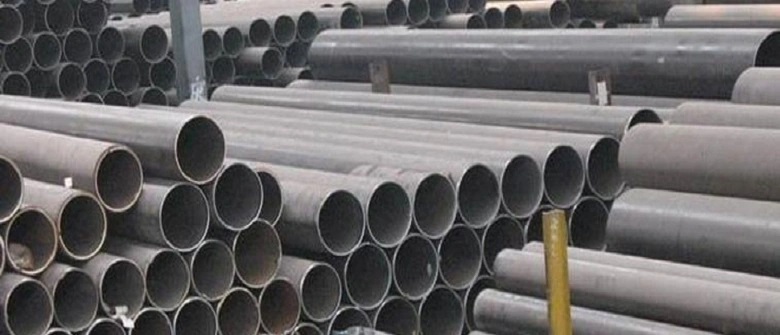
Understanding A106 B Pipe Specifications and Performance
Chemical Composition and Mechanical Properties
ASTM A106 Grade B seamless carbon steel pipes have a carefully controlled chemical makeup that makes sure they work well in tough energy uses. The specification says that the carbon content must be between 0.30% at most and that the manganese content must be between 0.29% and 1.06%. This makes the material strong and workable, which is important for the CIS energy system. This material has a yield strength of at least 35,000 psi and a tensile strength of at least 60,000 psi, so it can be used in situations with a lot of pressure without failing.
These pipes can handle temperatures from -29°C to 650°C. This makes them a great choice for the tough weather in the CIS. This ability to tolerate temperature ensures reliable performance without damaging materials or weakening structures, even in Kazakhstan's harsh winters or Azerbaijan's deserts.
Manufacturing Process Variations
Integrated steel mills and efficient manufacturing processes help Chinese producers use hot-finished production methods and lower costs by making large amounts of goods. European manufacturers often use cold-drawn finishing methods that improve surface quality and dimensional accuracy, but they are more expensive to make.
Quality control methods for A106 B pipes vary a lot from one area to another. Chinese factories are using more automated inspection systems and monitoring technologies that work in real time. On the other hand, European makers depend on detailed inspection checklists and advanced non-destructive testing methods. Both methods meet world standards, but they do so in very different ways.
Common Quality Challenges and Risk Assessment
Changes in size, rough spots on the surface, and high levels of stress can all happen in seamless pipe production. By using ISO 9001 and third-party inspection procedures, Chinese companies have been able to make the quality of their products more consistent. European producers keep high standards of quality by using established quality control systems and testing their products a lot.
Third-party inspection reports, pre-shipment quality checks, and required mill test certificates are all ways to lower risk. These steps make sure that all pipes are intact no matter where they are made, which lowers the chances of project delays and safety issues.
Comparative Analysis: China vs European A106 B Pipes for CIS Projects
Material Standards and Compliance Certifications
Chinese and European producers both show that they meet the requirements of ASTM A106 Grade B, but the ways in which they do this are very different. API 5L and EN 10219 are two certifications that many Chinese companies have. This makes sure that they meet both American and European standards. European makers usually keep full CE marking and GOST-R certifications, which makes it easy for them to comply with regulations in the Commonwealth of Independent States (CIS).
There are some really interesting changes going on in the licensing world. Chinese manufacturers put a lot of money into following the rules in other countries. They often go above and beyond the minimum standards to show they are committed to quality. European makers rely on reputations and compliance records, but certification costs have a big effect on the prices of the end products.
Performance in CIS Environmental Conditions
CIS energy projects require corrosion protection and thermal stability that are above the norm. When made using advanced steel-making methods and correct heat treatment processes, Chinese A106 B pipes work very well in corrosive settings. European options have similar corrosion protection and extra certifications for use in certain environments.
In CIS situations where the temperature changes a lot, how well something performs in thermal cycling becomes very important. Both Chinese and European pipes meet ASTM standards, but the way the pipes are made can affect how well they work over time when they are repeatedly exposed to heat stress.
Cost Analysis and Supply Chain Efficiency
Looking at the costs, buying from China has big benefits, usually saving 15–25% compared to getting things from Europe. These savings come from lower production costs and better supply lines. But, overall cost analysis has to include the cost of logistics, the cost of inspection, and possible changes in lead time.
The dependability of the supply chain is an important issue. Chinese makers have shorter lead times (usually 4 to 6 weeks) and can change their production schedules on the fly. European suppliers, on the other hand, have longer lead times (8 to 12 weeks) but more reliable delivery schedules. Many CIS projects need the kind of flexibility that Chinese providers can offer.
Procurement Decision-Making for CIS Energy Projects
Strategic Sourcing Considerations
Procurement choices should be in line with the needs of the project, the limits set by the budget, and how much risk people are willing to take. When keeping costs low is most important and good quality is guaranteed, large-scale CIS energy projects benefit from buying from China. Even though they are more expensive, European providers might be better for smaller projects or apps that need special licenses.
Optimal sourcing choices are influenced by the following factors:
- Budget limits and figuring out the total cost of ownership
- The project's timetable and due date flexibility
- Rules that CIS markets must follow to comply
- The power to ensure quality and the available inspection infrastructure
These things need to be weighed against the needs of the project and the company's rules for managing risk. A lot of the time, the best ways to buy things include getting suppliers from different places. This lowers the risks in the supply chain and makes sure that costs are as low as possible.
Minimum Order Quantities and Bulk Purchase Benefits
Chinese makers usually have more flexible minimum order amounts, which can work with anything from small installations to large infrastructure projects. Agreements for bulk purchases are very helpful for saving money, since volume prices can be 8–12% for orders of more than 500 tons.
European suppliers offer better customization options and technical help, but they have higher minimum order requirements. When looking at bulk purchase choices, the decision framework should keep project size, storage space, and future buying needs in mind.
Supplier Selection and Certification Requirements
When choosing the best provider, it's important to check their ISO certifications, API qualifications, and GOST-R compliance when relevant. In the process of choosing a provider, the ability to do third-party inspections and the authenticity of mill test certificates become very important.
Suppliers that have been around for a while show they always deliver quality work by using customer recommendations, project case studies, and data on long-term performance. New supplier evaluations should include checks of the building, reviews of the quality system, and sample testing programs to make sure that the supplier can meet the needs of the project.
JS FITTINGS: Your Trusted Partner for CIS Energy Projects
When it comes to CIS energy project sourcing, Hebei Jinsheng Pipe Fitting Manufacturing Co., Ltd (JS FITTINGS) stands out because of its over 40 years of manufacturing experience. We are the best choice for your A106 B pipes seamless carbon steel pipe needs because we fully understand regional standards and have a lot of experience with high-pressure applications.
Advanced Production Capabilities and Quality Assurance
Our new, high-tech factory has four advanced production lines, each capable of making 30,000 tons a year. This ensures a steady supply for big energy projects across the CIS area. With this much production capacity, there are no more doubts about the supply chain, and important building projects can be sure that they will get their supplies on time.
Quality is still at the heart of what we do, thanks to tough standards like ISO 9001, CE marking, and GOST-R compliance. Our dual-standard certification method uses both the API 5L and EN 10219 standards. This gives full confidence to global energy projects that need to meet more than one standard.
Specialized Services for Energy Sector Applications
With our precision cutting, you get pipe end products that are ready to use. This means you don't have to get them ready or spend as much time installing them. This value-added service is especially helpful for CIS energy projects where there may not be a lot of skilled workers available and project plans require the most efficient use of time.
CIS energy arrangements are so complicated that they need experts to handle them. Our oil and gas project logistics system offers unique shipping services to Central Asia and the Middle East. This ensures that goods are delivered to faraway project sites without damage.
Customer-Centric Approach and Technical Support
We know that CIS energy projects need more than just the usual product supply. Our technical support team offers in-depth consultation services to help procurement professionals understand the specification requirements, compliance duties, and installation issues that depend on how things work in each area.
We are committed to our customers' success, so we go beyond delivering products by offering ongoing technical help, performance monitoring, and quick responses for urgent project needs. This all-around method forms lasting relationships that help with many parts of a project and the needs of future growth.
Conclusion
When CIS energy projects choose between Chinese and European A106 B pipe providers, they need to carefully consider costs, quality, compliance, and how the pipes will be delivered. Chinese companies are more flexible with production and offer better prices. On the other hand, European companies have a history of quality and specific certifications. To be successful, people need to understand the needs of each project, make sure suppliers can meet those needs, and stay in touch with each other during the buying process. The best choice takes into account short-term costs, long-term results, and risk management goals.
FAQ
Q1: What are the key differences between A106 Grade A and A106 Grade B pipes?
A106 Grade B pipes contain higher carbon content (0.30% maximum) compared to Grade A pipes (0.25% maximum), resulting in superior strength and temperature resistance. Grade B offers a minimum tensile strength of 60,000 psi versus 48,000 psi for Grade A, making it more suitable for high-pressure CIS energy applications.
Q2: How do Chinese A106 B pipes perform in extreme CIS weather conditions?
Chinese A106 B pipes demonstrate excellent performance in CIS environmental conditions when manufactured according to ASTM specifications. Proper heat treatment and quality control ensure adequate low-temperature toughness and thermal cycling resistance required for extreme weather applications.
Q3: What are typical lead times for custom A106 B pipe orders from different regions?
Chinese suppliers typically provide 4-6 week lead times for standard specifications and 6-8 weeks for custom requirements. European manufacturers generally require 8-12 weeks for standard orders and 12-16 weeks for customized specifications, depending on complexity and quantity requirements.
Q4: What certifications should be required when sourcing A106 B pipes for CIS energy projects?
Essential certifications include ASTM A106 compliance, ISO 9001 quality management, and GOST-R certification for CIS market compliance. Additional certifications such as API 5L, CE marking, and third-party inspection reports enhance quality assurance and regulatory compliance.
Partner with JS FITTINGS for Your A106 B Pipe Requirements
Ready to optimize your CIS energy project procurement strategy? JS FITTINGS combines four decades of manufacturing expertise with a comprehensive understanding of regional requirements to deliver superior carbon steel pipe solutions. Our 30,000-ton production capacity, dual-standard certifications, and specialized CIS logistics network ensure project success from specification to installation.
Contact our technical team at admin@chinajsgj.com to discuss your specific A106 B pipe requirements and receive personalized procurement consultation tailored to your project needs. As a trusted A106 B pipe manufacturer, we provide detailed quotations, technical datasheets, and expert guidance to support informed decision-making for your critical energy infrastructure investments.
References
1. American Society for Testing and Materials. "ASTM A106/A106M Standard Specification for Seamless Carbon Steel Pipe for High-Temperature Service." Annual Book of ASTM Standards, Vol. 01.01.
2. International Organization for Standardization. "ISO 3183 Petroleum and Natural Gas Industries - Steel Pipe for Pipeline Transportation Systems." Technical Committee ISO/TC 67.
3. Commonwealth of Independent States Interstate Council for Standardization. "GOST 8732 Steel Seamless Hot-Deformed Tubes - Technical Conditions." Interstate Standard Documentation.
4. European Committee for Standardization. "EN 10219 Cold Formed Welded Structural Hollow Sections of Non-Alloy and Fine Grain Steels - Technical Delivery Conditions." CEN Technical Committee 134.
5. American Petroleum Institute. "API Specification 5L - Specification for Line Pipe." Upstream Segment Standards Development.
6. International Energy Agency. "Energy Security and Climate Policy in CIS Countries - Regional Energy Infrastructure Assessment." World Energy Outlook Special Report on Eurasia.
Learn about our latest products and discounts through SMS or email