It makes a big difference between metal and plastic pipe flange spacer rings when it comes to how much they cost to install and how well they work over time. Most of the time, metal spacer rings are better than other types because they are stronger and can handle high temperatures better. Because of this, they are great for rough industrial uses. Things that aren't made of plastic don't stick to chemicals very well, and they can save you money sometimes. They can make decisions that lower the project's risk and meet operational and safety standards when they know how well an item works, how long it lasts, and how much it costs to own it all.
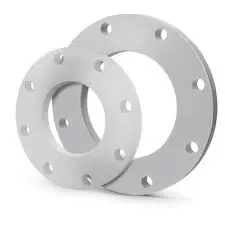
Why is it important to have rings for pipe flanges?
Making sure that the flange faces of pipe systems are lined up and spaced out correctly is what pipe flange spacer rings do. It's because of these important parts that the seal works well and can handle changes in temperature, the gasket's compression, and the assembly's faults. For the rings, make sure you stick to strict DIN, ASME B16.47, and B16.5 size rules. So, they can be used in a lot of different industrial settings.
What it's made of changes how it works in a big way. Rings are usually made from steel grades 304 and 316, as well as carbon steel. These man-made polymers can be used instead of plastic. They are made of PEEK, nylon, and PTFE. At different times, everyone is good in their own way. How thick it is and what it's used for will determine how thin it is (1/16 inch) or how thick it is (several inches).
It is important to know how much torque the bolts need, if the gasket will work, and what will happen when the temperature changes. When engineers pick materials for spacer rings, they need to think about how the materials will handle chemicals, changes in temperature, and the amount of pressure they can hold. All of these things affect how reliable the system is over time, how often it needs to be serviced, and how much replacement parts cost.
Understanding the Construction and Functionality of Pipe Flange Spacer Ring
The metal pipe flange spacer rings are very strong because of the alloy they are made of. At over 2,500 PSI and temperatures of up to 1,200°F, they can handle it. Some kinds of stainless steel don't rust very well in harsh conditions. Carbon steel, on the other hand, is better for everyday use and costs less. When metal rings are stressed, they work the same way, no matter how hot or cold it is. They stay the same size, so this is true.
The most important things to know are these, because of how they work:
- Iron rings have a very high tensile strength. This means that they keep their shape even when loads and pressures change a lot. You can trust them to keep important places like power plants and plants that process petrochemicals safe.
- Strong against high temperatures: Metal spacers stay in place better at high temperatures than plastic ones, which would melt or lose their shape.
- Different types of stainless steel are very strong against chlorides, oxidizing acids, and other business chemicals that are bad for you.
Having these metal spacer rings around is very helpful when things get tough, and performance shouldn't be affected.
Plastic spacer rings work well when they are needed without any chemicals or electricity, light, and are easy to install. PTFE comes in different types that can handle most industrial chemicals and still be flexible at very low temperatures. Nylon and PEEK don't break or change shape easily, so they can be used in clean environments like food processing and pharmaceuticals.
These things show why plastic rings are useful:
- Strength against chemicals: Strong chemicals don't damage engineered plastics the way metal does. Because of this, they can be used for longer in harsh chemical environments and still keep their seal.
- Not the same metal can touch another electrically when pipes are electrically isolated. Galvanic corrosion can't happen if the properties do not allow electricity to flow.
- Rings made of plastic are much lighter than rings made of metal. This makes them lighter when the diameter is big and makes them easier to put on builds.
Plastic spacers are also useful for some tasks because the way they are made makes them easier to use.
A comparison of the costs of metal and plastic spacer rings
The initial costs of materials are very different for metal and plastic options. For example, stainless steel rings usually cost 200 to 400% more than similar plastic options. Carbon steel options are priced in the middle of plastic and stainless steel options, though the need for coating may make the total cost go up. Changes in the steel market have a bigger effect on metal rings than changes in the prices of raw materials.
Different materials' cost structures are affected by manufacturing complexity in different ways, and this also applies to pipe flange spacer rings. Precision machining, heat treatment, and surface finishing processes are needed to make metal rings. These steps take longer and cost more in labor. Plastic rings are usually made by injection molding or machining, which can speed up the production process and require less labor, especially for large orders.
The costs of installation and maintenance have a big effect on the total cost of ownership calculations. When dealing with and installing metal rings, especially ones with large diameters, you usually need special tools. Plastic rings, on the other hand, are easier to handle and take less time to install. The frequency of maintenance depends on how the machine is used. In high-stress environments, metal rings usually need to be serviced less often.
Lifecycle cost analysis shows important things to think about besides the price of the initial purchase. Metal rings often make up for their higher initial costs by lasting longer, needing less replacement, and needing less maintenance in demanding situations. Plastic rings might need to be replaced more often, but they are cheaper to keep on hand and easier to get for everyday uses.
How to Pick Between Metal and Plastic Pipe Flange Spacer Rings for Different Uses?
The operating pressure and temperature are the main factors used to choose the material for the spacer ring. When the pressure or temperature is higher than 150 PSI or 200°F, metal rings are usually better because they are stronger and don't melt. When working with chemicals, it's important to carefully consider the conditions of exposure. For example, plastic rings work best in highly corrosive situations, while metal rings are better for high-temperature chemical processes.
Different sectors choose materials in different ways because of the needs of their own industries. For offshore platforms and refineries, where corrosion resistance and pressure capability are very important, oil and gas applications mostly use rings made of stainless steel. Water treatment plants often use plastic rings in chlorinated areas where metal corrosion could cause contamination.
In industries that are regulated, choosing materials is affected by the need to follow rules, and this also applies when specifying pipe flange spacer rings. For food and drug applications, you must use plastics that have been approved by the FDA. For sour gas service, NACE standards may specify certain metal alloys. Knowing these requirements early on in the design process keeps changes to the specifications from being too expensive and ensures the project is completed correctly.
A case study from a petrochemical plant shows how important it is to choose the right materials. Plastic rings saved money at first, but in a moderately corrosive environment, they had to be replaced often, which caused production to stop. Switching to 316 stainless steel rings got rid of the need for replacements, cut maintenance costs by 60%, and made the system more reliable overall, even though it cost more at first.
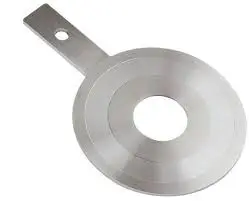
Conclusion
Either metal or plastic pipe flange spacer rings will work. You should think about how they will be used, how much they will cost, and how well they need to work. Metal rings are better for tough jobs because they are stronger and can handle higher temperatures. What about the plastic rings? They can handle chemicals better and are sometimes less expensive. To do a good job, you need to make sure that the properties of the material match what the job calls for. Not only should you think about the price of the material, but also how much it will cost you to own it altogether. They should have been in business for a while and know these little things. This will help you choose the best materials. This will make the system run more smoothly and lower the risk of problems throughout its whole life.
FAQs
1. However, why choose when you can have both?
Which ones are the most important? A: Chemicals, temperature, work pressure, and government regulations. Metal rings work best with heat and weight. If you need electrical isolation or FDA compliance, plastic rings are better than metal ones.
2. How can I calculate the long-term cost of each spacer ring?
How much are supplies initially? Installing them costs how much? How often must you repair them? How long do new ones arrive? How much does closing during repairs cost? Although more expensive, metal rings last longer. Metal rings are cheaper but require more frequent replacement.
3. What about under extreme force? Plastic spacer rings—still useful?
A: Rubber rings only work at 150 PSI or less. Strong plastics like PEEK can withstand more force. Always follow the manufacturer's instructions and be safe when pressing a plastic ring.
JS Fittings provides reliable pipe flange spacer rings.
They should have made things for a while and understood business use. Good things have been made for over 40 years. They know their stuff and can help you find answers. Our metal spacer rings are automatically painted to prevent rust and maintain a glossy finish. It comes in many forms, including high-quality metal alloys and synthetic plastics.
To comply with international regulations, all spacer rings meet or exceed ASME, ANSI, and DIN standards. This is shown in the box. We know some tough jobs require specific tools. Our engineers can customize coatings, materials, and sizes. We provide good paperwork and material test certificates to help you get certified. You can trust the project to succeed.
We manufacture pipe flange spacer rings that work in any environment. Because we know how and are good at making things, we can finish the project safely and reliably. Email admin@chinajsgj.com with your needs. Our proven methods can help your next project.
References
1. American Society of Mechanical Engineers. "ASME B16.5 - Pipe Flanges and Flanged Fittings: NPS 1/2 Through NPS 24 Metric/Inch Standard." ASME International, 2020.
2. Barletta, Marco, and Gianfranco Puopolo. "Thermoplastic Materials for Industrial Applications: Performance and Cost Analysis." Materials & Design, vol. 45, 2018.
3. Chen, Wei, and Robert Anderson. "Corrosion Resistance of Stainless Steel Alloys in Chemical Processing Environments." Corrosion Engineering Science and Technology, vol. 54, no. 3, 2019.
4. Industrial Piping Institute. "Guidelines for Flange Installation and Maintenance in Process Industries." Technical Bulletin IPI-2021-03, 2021.
5. National Association of Corrosion Engineers. "Material Selection Guidelines for Oil and Gas Production Systems." NACE Standard TM0177, 2019.
6. Thompson, Sarah J., et al. "Lifecycle Cost Analysis of Industrial Pipe Fittings: A Comparative Study of Material Performance." Journal of Industrial Engineering Research, vol. 12, no. 4, 2020.
_1755158680854.webp)