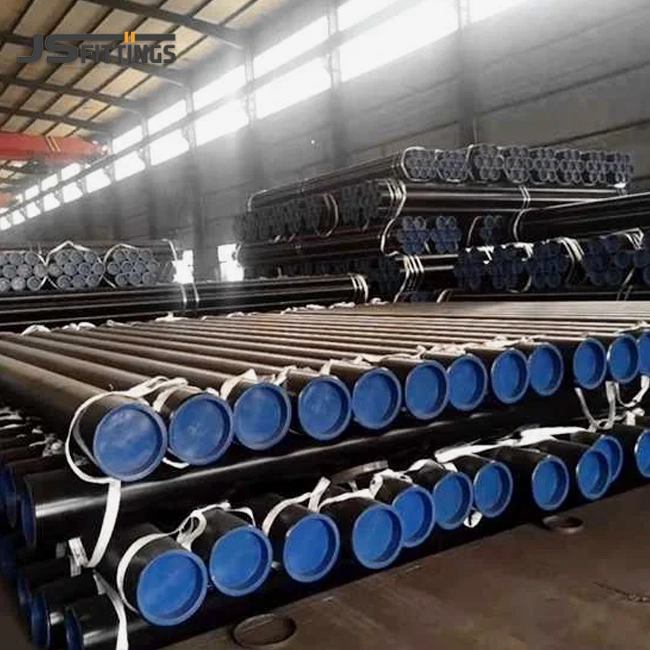
When looking for a corrosion-resistant blind flange for oil and gas use, it's important to know the right size, the material's properties, and the rules that make sure operations are safe and reliable. These sealing parts need to be able to work in harsh chemical environments and keep their shape even when they are under a lot of pressure. In the tough oil industry, choosing the right flange sizes, pressure ratings, and materials that don't rust affects the safety of the project, the compliance of the project, and the long-term costs of running the project.
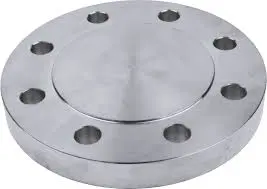
In the oil and gas business, how to understand corrosion-resistant blind flanges
There are parts of piping systems called blind flanges that keep the ends of pipes closed but still allow maintenance and inspection workers to get to them. These parts are always exposed to corrosive chemicals like carbon dioxide, hydrogen sulfide, and other hydrocarbon compounds in oil and gas environments. These chemicals can quickly break down normal materials.
How a flange is made has a big impact on how well it works and how long it lasts. These days, factories have automated painting lines that cover materials evenly with protective coatings that make them stronger against corrosion than just the properties of the base material. They use high-tech coating systems to make many layers of walls that keep chemicals and water out.
When engineers and people who work in procurement choose materials, they have to make big decisions. In general, stainless steel grades like 316L are very good at not rusting. However, duplex and super duplex alloys work better in places where there is a lot of chloride. Metals that are made from nickel, like Inconel and Hastelloy, can handle high temperatures and harsh chemicals very well.
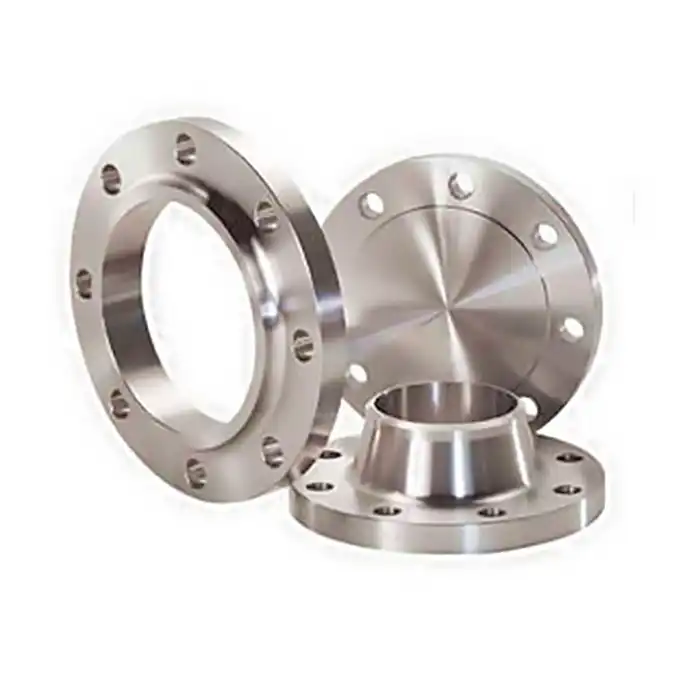
Different kinds of blind flanges give you more or less freedom in how you install them. When the face is raised, standard gasket materials can be used, and ring-type joint configurations let metals seal against metals in high-pressure situations. When engineers know about these differences, they can pick the right parts for different tasks.
How to Pick the Correct Sizes and Ratings for Pressure?
Getting the measurements right affects both the system's reliability and how quickly it can be put in place. Standard sizes are based on well-known rules, like those in API 6A, ASME B16.5, and ASME B16.47. The outside diameter, bolt circle diameter, and face thickness are just a few of the important measurements that these standards list.
You need to match the flange ratings to how the system works in order to pick the right pressure class. Here are some common types of pressure:
Procurement teams can make better decisions when they know what each pressure class needs. There is a maximum working pressure for each class number at a certain temperature. It is simple to create a safe system because of this.
- Class 150: It can be used in systems that store low-pressure air and systems that collect low-pressure air as long as the operating pressure stays below 285 psi at room temperature.
- For transmission lines and processing equipment that work at normal temperatures and up to 740 psi, class 300 oil is good.
- Class 600: Can handle up to 1480 psi of pressure and is made for high-pressure uses like wellhead equipment and important process systems.
- Class 900 and up: This level is only used for dangerous high-pressure jobs in deepwater drilling and high-pressure processing plants.
These pressure limits are very important for safety and ensure the equipment can be used in a number of different situations. Picking the right rating keeps things from going wrong in terrible ways and makes sure safety standards are met.
Temperature can also change how stable dimensions are. When writing down requirements, it's important to pay close attention to the temperature ranges because temperature changes can affect how well bolts load and seal.
Seeing how well blind flanges and other types of flanges resist corrosion
When used in corrosive environments, blind flanges are clearly better than other types of flanges. While welding neck or slip-on flanges can connect to pipes, blind designs don't let leaks happen where the pipe meets the flange. This simpler geometry lowers the risk of crevice corrosion and makes it easier to clean and inspect thoroughly.
Welded neck flanges are great for making structures strong and distributing stress, but they add more welded joints that could become places where corrosion starts. Slip-on designs make installation easier, but they leave cracks that can speed up localised corrosion in marine environments.
It can be hard to use threaded flanges in corrosive environments. Thread engagement areas have many cracks where harmful chemicals can gather, breaking down the thread and eventually causing the seal to fail. Because they are made of solid plates, blind flanges get rid of these worries.
Another benefit of blind flange designs is that they can be used with a variety of materials. Since pipe attachment requirements aren't there, engineers can choose strange alloys without having to worry about how well they work with pipe materials. This allows for the best choice of material based only on requirements for corrosion resistance.
Things to Think About When Buying Corrosion-Resistant Blind Flanges
To make a procurement work, you need to carefully look at the skills and quality assurance processes of the suppliers. Following international standards makes sure that the product is reliable and makes it easier to integrate projects around the world. Manufacturers with a good reputation keep certifications like ISO 9001, API Q1, and ASME certifications that show they are dedicated to quality excellence.
Different types of materials allow cost and performance to be optimised for each project. When you buy from suppliers who offer a wide range of materials, you can be flexible with your choices while still getting the same high-quality standards across all alloy specifications. This feature makes managing vendors easier while still allowing materials to be tracked.
Customisation for specific needs solves problems that come up in projects that can't be solved with standard products, including blind flanges. For custom bore sizes, special pressure ratings, and unusual material requirements, manufacturers need to be able to be flexible and have engineering knowledge. Suppliers that can do their own design work can come up with solutions for tough problems.
Support for certification speeds up the approval process for projects and makes sure they follow the rules. It's easier to accept and start using a project when there are complete documentation packages that include material test reports, dimensional inspection certificates, and third-party verification documents.
Managing lead time is very important for planning projects. Suppliers who keep enough inventory on hand and are flexible with their production schedules can meet urgent needs while still meeting quality standards. Knowing the limits of a supplier's capacity helps project managers set reasonable deadlines for procurement.
Conclusion
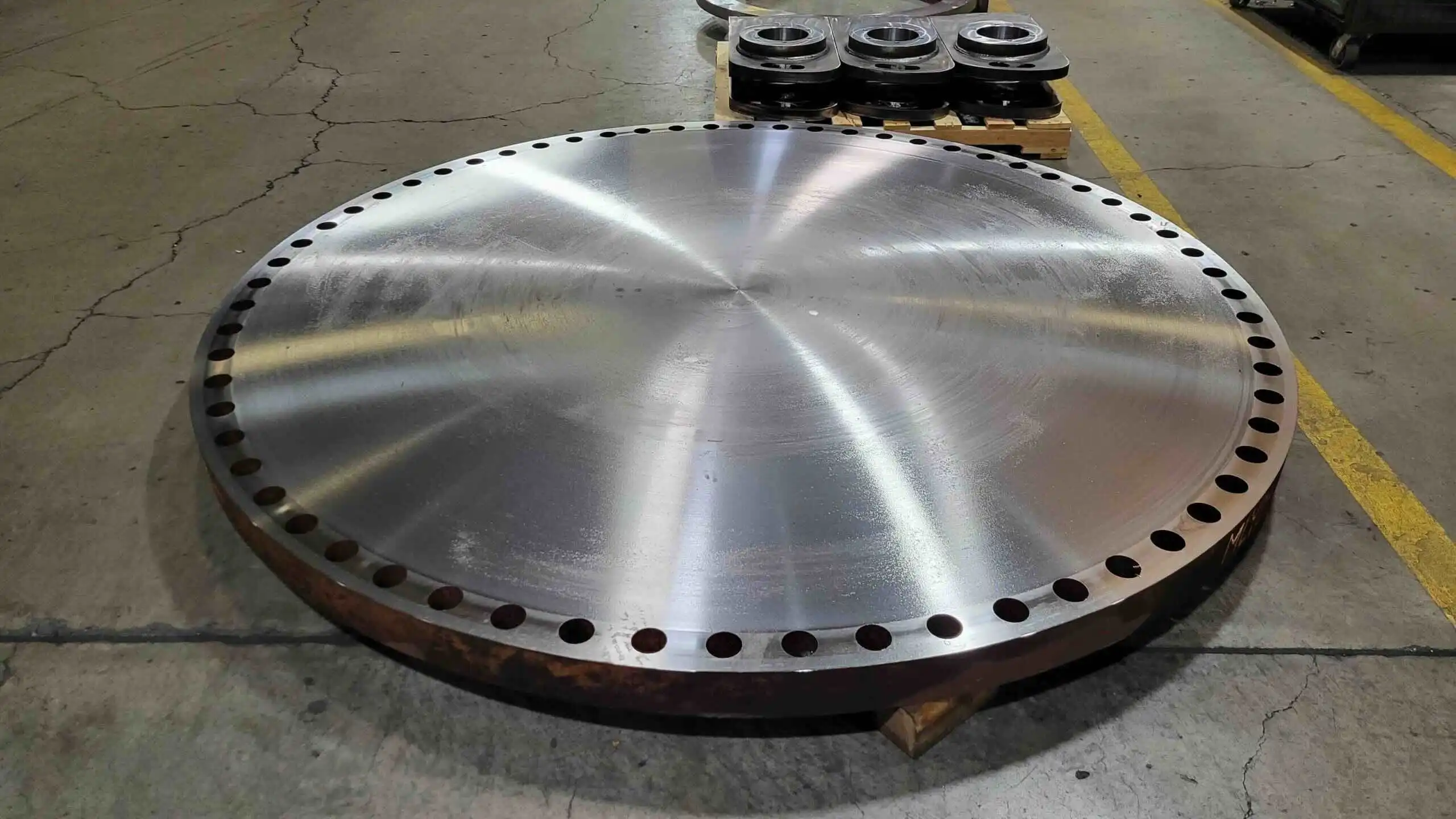
The right size, material, and pressure ratings are crucial when choosing corrosion-resistant blind flanges for your oil and gas business. Engineers can make better performance and cost-effective choices when they understand why blind flange designs work better. Work with long-standing manufacturers with a wide range of materials and technical support. The buying process will be easier. JS FITTINGS has strived to make the best rust-resistant flanges for 40 years. They provide complete solutions.
FAQs
Q1: What kinds of materials don't rust the least when it comes to oil and gas blind flanges?
For the answer to your question, stainless steel 316L usually does a great job of not rusting. When used offshore, duplex stainless steel is better because it is stronger and chlorides are less likely to react with it. Super duplex alloys and nickel-based materials like Inconel don't rust when they're used in harsh conditions. This material is picked based on the chemicals present, the temperature range, and the pressure needs.
Q2: How do pressure ratings change the type of blind flange that can be used?
A: The pressure rating tells you the highest pressure that can be used at a certain temperature. Class 150 can handle low pressures up to 285 psi, and Class 600 can handle high pressures up to 1480 psi. For higher pressure classes, you need more bolts and thicker flanges. This changes how much the system costs and how it is put together. Remember to always pick pressure ratings that are higher than the highest pressure in the system and give yourself some wiggle room.
Q3: What size standards should be used for oil and gas?
A: ASME B16.5 covers standard sizes up to 24 inches, while ASME B16.47 covers diameters larger than 24 inches. API 6A rules say that the wellhead equipment has to be good. Make sure that the bolt sizes, shapes, and face types match those of the other parts of the system. Make sure that the temperature and pressure ratings are correct for the job before you sign off on the specifications.
Why should you get your blind flanges from JS Fittings?
One of the best places to buy blind flanges is from JS FITTINGS. They have been making tough industrial pipe fittings and flanges out of high-quality steel for more than 40 years. Our many manufacturing skills ensure a steady flow of parts that don't rust and meet the strictest requirements of the oil and gas industry.
High-quality protective coatings that make things more resistant to corrosion than what the law requires are always applied by our automated painting production line. This high-tech coating system makes sure that the coating is covered evenly and gets rid of the things that people do that can damage the coating.
We follow international rules very carefully, as our ASME, API, ISO, and GOST-R certifications show. These certifications show that we are committed to quality excellence. They also give you peace of mind for important uses where a broken part could have major effects on safety or the environment.
We have a lot of different materials, from common carbon steel to rare alloys, so you can pick the one that's best for the job. Not only do we have a lot of sizes in stock, but we can also quickly make items that don't fit the needs of a project.
One thing that makes us different from suppliers of basic goods is that we can make changes to fit your needs. Our engineering team works with clients to come up with the best solutions for each problem, making sure that the solutions are perfect for the project and meet all of its operational needs.
The process of getting a project approved goes more smoothly when you get full certification support and full documentation packages. As professionals in the oil and gas industry, we know how important it is to keep track of everything. That's why we provide thorough paperwork that goes above and beyond what the industry needs.
You can email us at admin@chinajsgj.com to talk about your needs and find out more about our blind flange services. For more information on all of our products and how they work, you can visit chinajsgj.com.
References
1. American Society of Mechanical Engineers. ASME B16.5 - Pipe Flanges and Flanged Fittings: NPS 1/2 through NPS 24 Metric/Inch Standard. New York: ASME Press, 2020.
2. American Petroleum Institute. API Specification 6A - Specification for Wellhead and Christmas Tree Equipment. 21st Edition. Washington, DC: API Publishing Services, 2019.
3. NACE International. SP0106 - Control of Internal Corrosion in Steel Pipelines and Piping Systems. Houston: NACE International, 2016.
4. Det Norske Veritas. DNV-RP-F112 - Design of Duplex Stainless Steel Subsea Equipment Exposed to Cathodic Protection. Høvik, Norway: DNV GL, 2018.
5. International Organization for Standardization. ISO 15156 - Petroleum and Natural Gas Industries - Materials for Use in H2S-Containing Environments. Geneva: ISO Press, 2020.
6. American Society of Mechanical Engineers. ASME B16.47 - Large Diameter Steel Flanges: NPS 26 through NPS 60 Metric/Inch Standard. New York: ASME Press, 2017.
_1758005569089.webp)