Chemical plant owners must be careful about metric pipe materials and metric pipe flanges. langes and ensure high-pressure ratings. Also, make sure that international standards are met. Flanges used in chemical processing must be able to handle harsh chemicals, very high temperatures, and strong pressure without leaking over long periods of time. Choosing the right flange minimizes project risks, ensures safety compliance, and lowers the total cost of ownership. Knowing these key things helps procurement managers and engineers make good decisions to improve chemical processing system performance and reliability.
Understanding Metric Pipe Flanges in Chemical Plant Applications
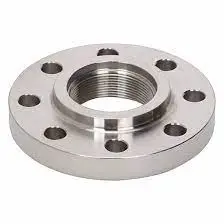
Metric pipe flanges are standard pipe connectors made to international metric guidelines like ISO, DIN, and EN. In chemical plant piping systems, these parts are very important because they make sure that pipes, valves, and equipment can be safely connected and worked on when needed.
There are many different kinds of flanges, and each one is made for a certain job or set of conditions. Chemical plants use flanges like these all the time. Weld neck flanges are better at handling strength and stress. This makes them perfect for high-pressure situations and service lines that are very important. Slip-on flanges are a cheap way to deal with systems that don't need to handle high pressure, and they make installation easier, too. During maintenance, blind flanges let you isolate the system and close off the ends of pipeline sections.
The nominal pressure (PN) classification system sets pressure ratings for metric flanges. PN10, PN16, PN25, and PN40 are some common examples. These ratings show the highest working pressures that are okay at certain temperatures. This makes sure that the right flange is chosen to fit the needs of the job. When you are making systems that need to be able to deal with different levels of pressure at different stages of processing, it is very important to know how these groups are defined.
Metric flanges are more dimensionally accurate and can be used with more systems than imperial ones. This makes standardization easier for international procurement, simplifies inventory, and makes sure that performance is always the same for chemical projects around the world. The exact tolerances in metric standards make sealing better and lower the risk of leaking in metric standards' corrosive environments.
Key Factors to Consider When Choosing Metric Pipe Flanges for Chemical Plants
The most important thing to keep in mind when choosing flanges for chemical processing is picking the right material. Some materials are better at resisting corrosion, holding up under stress, and tolerating heat than others. In every operation, these chemicals and conditions must work with these properties.
Stainless steel that doesn't rust easily can be safely used with many different kinds of chemicals in metric pipe flanges. Grade 316L resists chloride better and works well with many organic and inorganic chemicals. Duplex stainless steels are hard to break and don't rust in difficult conditions. Even though it might need to be coated to keep it dry, carbon steel is still a good buy for general use and situations where corrosion isn't an issue.
Carefully check the pressure and temperature ratings against the conditions of use, including the safety margins. The temperature often changes in chemical processes. This can change how materials and flanges are made. The relationship between pressure and temperature leads to a derating effect: higher temperatures mean that lower pressures are safe to work at. This means that the most dire possibilities for running things must be looked at in great detail.
Flange face configurations have a big impact on how well the seal works and how much maintenance is needed. On fragile materials, like tools with glass linings, FF designs make the weight more even. On the other hand, raised face (RF) designs put the weight on the gasket, which makes the seal more reliable. The best choice will depend on how well the gasket material works with the details of the mating part.
Before you use the interface, you should make sure that it can work with the plumbing systems and tools that are already there. Flange thickness, bolt patterns, and bore diameters are all parts of dimensional verification, which stops installation problems before they happen. It is easier to keep track of and fix the plant when all of its systems are the same. This way, all of the systems can be used during emergency repairs.
Installation Best Practices for Metric Pipe Flanges in Chemical Plants
Proper installation is important for making sure that flanges work well in chemical processing environments. Before installation, the flange dimensions, surface finish quality, and material certifications are checked to make sure they meet the requirements of the project.
- In chemical applications, choosing and installing the gasket must be done carefully. Gaskets need to be able to work with the chemicals in the process and still do their job even when there is a lot of pressure and heat. Putting the gasket in the right place in the flange grooves stops it from moving when the bolts are tightened and makes sure that the compression is evenly spread.
- Bolt tightening steps for metric pipe flanges use specific torque values and follow a certain order so that even stress is spread across the flange face. Cross-pattern tightening keeps the flange from bending and the gasket from being damaged. It also makes sure that the sealing compression is right. The flange size, bolt material, and operating conditions all affect the torque specifications. This means that you need to look at the relevant standards and manufacturer advice.
- Weld neck flanges must be carefully welded and quality checked. A good fit-up gets rid of gaps and misalignment. If these are not fixed, they could create high-stress areas or weaken the integrity of the joint. After welding, visual inspection, dye penetrant testing, or radiographic examination, check the quality of the weld and find possible issues before the system starts to operate.
Flange misalignment, bolt hole mismatch, and gasket damage during assembly are some common installation problems. Careful measurement and verification avoid these issues and make sure that the system is aligned correctly. Installation documentation lists gasket details, torque values, and inspection results that can be used to do future maintenance on the system.
Comparing Metric Pipe Flanges with Other Standards for Chemical Applications
Metric flange standards provide unique benefits in global chemical projects by being widely used and keeping dimensions consistent. ISO and DIN specifications are design rules that are known and used around the world. They make it easy to buy parts from different companies and make sure that parts can be used in different stages of a project.
When you use both metric and imperial flange systems in the same building, it can be hard to put them together. Due to differences in size and shape, direct replacement isn't possible. Adapter flanges or changes to the system may be needed to make sure everything still works together. Using metric specifications gets rid of these problems and lets you use more suppliers with better prices.
It is important to look at material performance comparisons when using chemicals. When compared to carbon steel options, stainless steel metric pipe flanges usually resist rusting better and last longer, even though they cost more upfront. Because it doesn't need to be replaced or maintained as often, life cycle cost analysis usually prefers stainless steel in environments where it is corrosive.
Flange face types and gasket materials affect how well the sealing works. Face configurations that are raised focus gasket stress to make the seal better, but they might need higher bolt loads. Flat face designs spread the load more evenly, but for the same sealing performance, they may need bigger gasket contact areas. No matter what face configuration is used, chemical compatibility is still very important.
Procuring Metric Pipe Flanges: Suppliers, Lead Times, and Custom Solutions
When choosing a supplier, you need to look at their quality certifications, manufacturing capabilities, and experience in the industry. ISO 9001 certification and compliance with the Pressure Equipment Directive (PED) show that established companies have quality management systems that can make reliable products for tough applications.
Lead time planning takes into account standard product availability and the needs of custom manufacturing. Standard metric flanges made of common materials and sizes usually have shorter delivery times. On the other hand, non-standard shapes or rare metals might need longer manufacturing times. Early procurement planning keeps projects on schedule and makes sure that the right quality checks are done.
Making custom metric pipe flanges takes care of special application needs that are beyond the scope of standard products. When chemical processing conditions are tough, using special material grades, non-standard sizes, or better design features can help. Working together with manufacturers on the technical side makes sure that custom designs meet the needs of how they are supposed to work and stay cheap.
Material certification review, dimensional inspection, and pressure testing, when they are applicable, are all quality verification procedures. Third-party inspection services check products to make sure they meet specifications and industry standards. It is often necessary for chemical plants to be able to show that they know where all of their materials came from and how they were used all the way through the final inspection.
Conclusion
Selecting appropriate metric pipe flanges for chemical plants requires careful evaluation of material compatibility, pressure ratings, installation procedures, and supplier capabilities. Proper selection minimizes operational risks, ensures regulatory compliance, and optimizes total cost of ownership through reliable performance and extended service life. Understanding these key factors enables informed decision-making that supports safe, efficient chemical processing operations while maintaining cost-effective procurement strategies.
FAQ
Q1: What pressure ratings should I select for chemical plant metric pipe flanges?
A: Pressure rating selection depends on your maximum operating pressure with appropriate safety factors. Common PN ratings include PN16 for low-pressure applications, PN25 for moderate pressures, and PN40 for high-pressure systems. Always consider temperature effects on pressure ratings and consult applicable standards for specific derating curves.
Q2: Can metric flanges be mixed with ANSI standard components in chemical plants?
A: Direct mixing is not recommended due to dimensional differences between metric and ANSI standards. Adapter flanges or transition pieces may be required for integration, but standardizing on metric specifications throughout the system provides better long-term benefits, including simplified maintenance and procurement.
Q3: Which materials offer the best corrosion resistance for chemical processing applications?
A: Stainless steel grade 316L provides excellent general corrosion resistance for most chemical applications. Duplex stainless steels offer enhanced strength and chloride resistance, while super austenitic grades handle more aggressive chemicals. Material selection should be based on specific chemical compatibility data and operating conditions.
Why Choose JS FITTINGS as Your Trusted Metric Pipe Flanges Supplier?
JS FITTINGS has been making great products for over forty years. They provide dependable, high-performance metric pipe flanges to chemical plants around the world. Our automated painting production line makes sure that the surface is always protected and the finish is always high quality, which extends the life of the product in environments with corrosive chemicals.
Our quality method is based on compliance with international standards. Our goods that have ISO 9001, CE, and GOST-R approvals meet the standards set by ISO, DIN, and EN. These credentials show that we are dedicated to quality management systems that make sure products work the same way, no matter how they are made.
Different chemical compatibility needs and cost factors are taken into account by a range of materials. We offer carbon steel, stainless steel grades 304, 316, and 316L, and also specialized alloys for applications that need them. This range of materials allows for the best choice to be made based on different chemicals, working conditions, and price needs.
The ability to customize products allows for the addition of features that aren't normally included. Our engineering team works with customers to make non-standard sizes, special material grades, and better design features that are just right for each customer. This ability to adapt ensures that each chemical processing application runs as smoothly as possible while still meeting the delivery schedule.
Broad certification support makes it easier to follow the rules and get projects approved. For chemical plant installations, we offer all of the compliance declarations, test certificates, and full material traceability documentation that are needed. Before shipping, our quality assurance team makes sure that all of the paperwork needs are met by working with customers.
Ready to make the piping systems in your chemical plant work better with dependable metric pipe flanges? Our experienced team is ready to help you choose products, give you technical advice, and come up with custom solutions that will meet your needs. Email admin@chinajsgj.com to talk about your project needs and find out why top chemical firms around the globe trust JS FITTINGS as their go-to metric pipe flanges manufacturer.
References
1. American Society of Mechanical Engineers. "ASME B16.5-2020: Pipe Flanges and Flanged Fittings: NPS 1/2 Through NPS 24 Metric/Inch Standard." New York: ASME Press, 2020.
2. International Organization for Standardization. "ISO 7005-1:2011: Metallic Flanges for Industrial Piping Systems." Geneva: ISO Publications, 2011.
3. European Committee for Standardization. "EN 1092-1:2018: Flanges and Their Joints - Circular Flanges for Pipes, Valves, Fittings and Accessories." Brussels: CEN Publications, 2018.
4. Deutsches Institut für Normung. "DIN EN 1759-1:2004: Flanges and Their Joints - Dimensions of Gaskets for PN-Designated Flanges." Berlin: Beuth Verlag, 2004.
5. Chemical Processing Magazine. "Best Practices for Flange Selection in Chemical Plants: Material Compatibility and Safety Considerations." Chemical Processing Industry Publications, 2023.
6. Process Safety and Environmental Protection Journal. "Reliability Assessment of Pipe Flanges in Chemical Processing Applications: A Comprehensive Study." Elsevier Chemical Engineering Publications, 2022.
_1758097857386.webp)