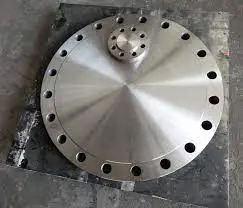
A blind flange is an important part of pipes that seals the ends of pipes completely. It does this by creating a pressure-tight barrier that stops fluid flow while keeping the system's integrity. A blind flange is different from other flanges because it has a solid face that doesn't have any openings in it. This blocks the end of a pipeline or vessel opening. This important part does many things, such as keeping the pressure in check during testing, isolating the system for maintenance work, and closing off unused pipeline branches permanently. It is important for people who work with piping systems in industries like oil and gas, chemical processing, power generation, and water treatment facilities to understand blind flanges.
Understanding Blind Flanges: What They Are and What They Do
The blind flange is an important safety and operational part of piping systems that are used in fields that need to reliably contain pressure and control systems. Engineers can separate certain parts of complicated pipe networks using these parts. This makes maintenance safer and doesn't affect the system's overall functionality.
What Does a Blind Flange Mean?
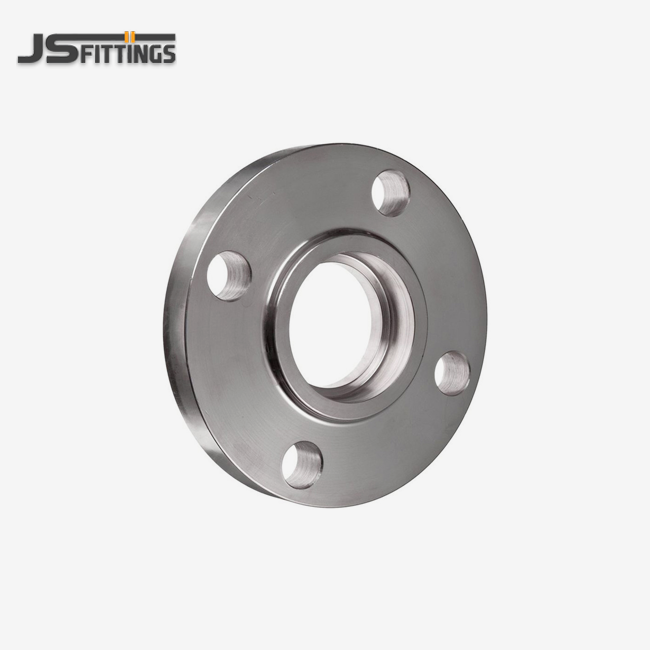
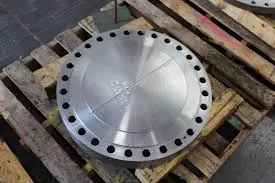
A blind flange is a solid disc that is round and made to fit a certain pipe size and pressure rating. The part has bolt holes all around it that match up with holes on pipe flanges. This lets the two parts be securely attached using bolting mechanisms. Unlike slip-on or weld neck flanges, blind flanges don't have a hole in the middle. This makes them perfect for sealing pipeline ends permanently or temporarily.
The main way that blind flanges are different from other types of flanges is that they can seal. Standard flanges make it easier to connect pipes or other pieces of equipment, but blind flanges stop all flow paths. Because of this one feature, they are required for hydrostatic testing, system commissioning, and emergency isolation procedures.
Simply explain how a blind flange works
Blind flanges work by compressing mechanically against pipe flanges to make leak-proof seals. When the blind flange is bolted to a matching flange with the right gaskets, it spreads the pressure evenly across the sealing surface, stopping fluid from escaping even when the pressure is high. The way it works depends on the right order of tightening the bolts, which makes sure that the gasket is compressed evenly.
During pressure tests, blind flanges can handle internal pressure forces by transferring loads to the mating flange structure through the bolting arrangement. This load distribution mechanism lets the part keep its seal integrity over a wide range of pressures, from low-pressure settings to systems that are running at several thousand PSI.
Common Ways Blind Flanges Are Used and Apps
Blind flanges are used in many industrial areas where pipeline isolation and pressure containment are important. In the following situations, these parts are especially useful:
- Blind flanges are used to separate reactor vessels and process lines during maintenance breaks in chemical processing plants. These parts are used by oil refineries to test the hydrostatic strength of new pipeline installations and to permanently seal off old pipeline branches. Power plants use blind flanges to safely access important parts of their boiler and steam system during maintenance, so the whole system doesn't have to be shut down.
- Water treatment plants use blind flanges to separate certain treatment stages during equipment upgrades and to set up the system for the first time. These parts are used to cover unused pipeline connections in a wide range of manufacturing industries. This keeps the system clean and prevents contamination.
A Full Look at the Different Types of Blind Flanges and Their Specifications
The different types of blind flange designs show how different modern industrial uses are, where different working conditions need different engineering solutions. Standards for manufacturing and choices of materials have a big impact on how well and how long a component works.
Different Kinds of Blind Flanges
Raised face blind flanges have a slightly raised sealing surface that concentrates gasket pressure for better sealing. When used with soft gaskets and moderate pressure, this design works well. Flat face blind flanges make even contact across the whole sealing surface, which means they can be used with cast iron equipment and brittle gasket materials.
Ring-type joint (RTJ) blind flanges have precise grooves that can fit metal ring gaskets. This makes sealing reliable in high-temperature and high-pressure situations. These designs work great in tough places where soft gaskets don't normally work. Specialty blind flanges come in insulating types that stop electricity from flowing and spectacle blind configurations that let you switch between open and closed positions.
Standard Dimensions and Specifications for Blind Flanges
ASME B16.5 sets standard dimensions and pressure ratings for blind flanges up to 24 inches in diameter. These make sure that parts made by different companies can be used interchangeably. ASME B16.47 covers blind flanges with larger diameters, which meet the specific needs of heavy industrial uses. The DIN and EN standards offer different specifications that are commonly used in European markets. They use metric measurements and different names for pressure classes.
There is a direct link between the pressure rating, the bolt circle dimensions, and the thickness of the flange. To handle more internal force, materials with higher pressure classes need to be thicker, and bolt patterns need to be bigger. By understanding these connections, you can choose the right parts for different operating conditions.
Important Types of Materials for Blind Flanges
Stainless steel blind flanges are very resistant to corrosion and stay strong even when heated up. Grades like 316L can work well with chemicals in harsh conditions, and grades 321 and 347 don't become sensitive to high temperatures. Different types of carbon steel, such as A105 and A350, offer affordable options for common uses that protect well against corrosion.
Alloy steels, like chrome-moly grades, are used in high-temperature situations where carbon steel isn't strong enough. These special materials keep their mechanical properties even at high temperatures, so they will work reliably for a long time in tough service conditions.
What You Need to Know About Choosing the Best Blind Flange for Your Project?
When you choose the right blind flanges, you should think about what they will be used for, how they will be put in place, and how well they should last. Parts' dependability and how long they last depend on how well they work with process fluids and the place where they are used.
There are three kinds of flanges: blind, slip-on, and welding neck
They are built in different ways, so they can be used for different things and work in different ways. Slip-on flanges need to be fully welded to the ends of pipes. They're not too strong, but strong enough for most jobs. Wiring neck flanges come with hubs that let them connect straight to pipes. In situations with a lot of stress, this makes them stronger and less likely to break.
Mechanically threading flanges and pipes together is how they are joined. This means they don't need to be welded, but it also means they can't be under as much stress. Connecting flanges can't always be used to separate two parts, but blind flanges can. They vary in how hard they are to set up. Most of the time, it's easier to install blind flanges than welded flanges.
Which is better: stainless steel blind flanges or carbon steel ones?
The fact that stainless steel blind flanges don't rust makes them very useful in places like chemical plants and the ocean. Chemicals and air can't attack chromium because it forms passive oxide layers. For less money, people who only need to use coatings or cathodic protection systems to stop corrosion can use carbon steel blind flanges.
Each type of material needs a different amount of care. It's possible that carbon steel flanges need to have their coatings changed and their corrosion checked often. Steel parts, on the other hand, only need to be checked once a year. Also, they don't work with the same temperatures. Some kinds of stainless steel can be used in places where carbon steel wouldn't work.
How to Choose the Right Size and Pressure Level for a Blind Flange?
If you choose the right size, it will work with pipelines and equipment that is already hooked up to them. For bolt holes to line up correctly and gasket sealing surfaces to stay in good shape, the names of nominal pipe sizes (NPS) must match exactly. You should think about the safety margins, the maximum operating pressure, and how the rating changes with temperature when you choose a pressure rating.
For each type of flange, some tables show the maximum pressure that can be put on it at a certain temperature. Over-specification costs more money than it's worth, and under-specification makes things less safe. If you know about these links, you can avoid both. Safety margins are usually between 1.5 and 4 times the operating pressure. This relies on how bad the service is and the rules set by the government.
How to set up blind flanges correctly, take care of them, and get the most out of them?
When you install something the right way, it works perfectly and stops issues before they happen, which could put the safety of the system at risk. How well it works and how often it needs to be fixed will depend on how careful you are when you install it.
An easy-to-follow guide on how to put in a blind flange
Get rid of all the dirt, scale, and old gasket material on the mating flange faces by cleaning them very well. To get the surface ready, do this first. If you look for damage like scratches, rust, or warping, you can avoid problems with the seal. It is important to pick the right gasket for the job so that it works well and seals well.
For the gasket to be pressed down evenly, the bolts must be tightened in a certain order the first time they are used. Star pattern tightening keeps the stress from being spread out in a way that could make the gasket or flange bend or come off. You can look at the standards or the factory instructions to find out how much torque you need. These could be different depending on the type of bolt, its size, and how well it is oiled.
Making sure it lasts a long time and doesn't rust
Where they are used doesn't always make blind flanges last as long. Changes in air, chemicals, and weather can slow down or stop damage and corrosion to the base. In places where corrosion is common, coatings that protect things like galvanizing or epoxy systems make them last longer.
With regular checks, problems are found as they start to show up, before they get too bad. When doing regular maintenance, you should look at something to see if it has any rust, cracks, or other damage. Ultrasound thickness testing finds out how much material is being lost in important places and gives people facts to help them choose what to replace it with.
What can go wrong during installation, and how to keep it from happening?
There isn't equal stress when the bolt holes aren't lined up right. Things are hard to put together. You can stay away from these issues if you carefully position and tighten slowly. It could be dangerous if you choose the wrong gasket or put it in the wrong way. It will fail quickly. If you do what the maker says and follow the rules in your field, these risks won't happen.
If the fit is too tight, the bolt, the gasket, or both could break. It could be dangerous if you don't tighten something enough. You can keep the bolt stress levels at the right level if you use torque wrenches that have been calibrated and do things the right way.
Conclusion
Knowing the basics of blind flanges lets you make smart choices that improve the safety, dependability, and cost-effectiveness of the system. These important parts help keep pressure in check and keep things separate, which is needed for many different types of industrial work. The best performance and longest life are guaranteed by careful selection, installation, and maintenance. Because industrial systems are getting more complicated, quality blind flanges play an even bigger role in keeping things running smoothly. Working with manufacturers who have experience and know these needs will make sure you can get parts that meet both current and future challenges.
FAQs
Q1: What's the main difference between a solid flange and a blind flange?
A: These terms are often used to refer to the same thing because they both mean flanges with solid sides and no opening in the middle. "Blind flange," on the other hand, is the standard term in the industry, while "solid flange" is a better way to describe it because it emphasizes the lack of through-holes.
Question 2: Can I use a blind flange on pressure vessels? If so, what kind is best?
A: Yes, blind flanges are great for use with pressure vessels. RTJ blind flanges with metal gaskets are the most reliable way to seal high-pressure vessels. The type you need depends on the pressure rating, temperature needs, and design requirements of the vessel.
Q3: How can I tell if the material of a blind flange can handle corrosive conditions?
A: The choice of material depends on the type of corrosive media and the conditions of use. Most corrosive environments can be handled by stainless steel grades 316L or duplex materials. For chemicals that are very aggressive, use corrosion charts or compatibility tests to make sure you choose the right material.
JS Fittings is the company you can trust for high-quality blind flange solutions
With more than 40 years of experience making high-quality products, Hebei Jinsheng Pipe Fitting Manufacturing Co., Ltd (JS FITTINGS) is one of the best blind flange manufacturers. They make parts of the highest quality that can be used in the toughest industrial settings. Our dedication to quality goes beyond just making things; it also includes full customer service and technical know-how. One of our advanced production tools is an automated painting line that makes sure that all of our blind flange products have the same high-quality coating and protection against corrosion. This cutting-edge system gets rid of mistakes made by people and gives equal coverage, which increases the service life of parts in tough environments. Each blind flange goes through strict quality control steps that check the material's properties and the accuracy of the dimensions.
We believe that following international standards is an important part of making things. Our blind flanges are made to meet the standards set by ASME, ANSI, DIN, and other organizations around the world. This means they can be easily connected to existing pipe systems anywhere in the world. Our technical skills and quality management systems are backed up by ISO 9001, CE, and GOST-R certifications. With our wide range of materials, we can meet almost any application need. For example, we have standard carbon steel grades for general use and rare alloy materials for chemical processing. Blind flanges made of stainless steel in grades 304, 316, and duplex offer better corrosion resistance in harsh environments.
JS FITTINGS is different from other suppliers because they can make things to fit specific needs. Our engineering team works with clients to create custom solutions for each application, even if the dimensions aren't standard, the materials aren't standard, or there are specific testing needs. In tough situations where standard products fail, this flexibility lets them work at their best. Our certification support makes sure that every delivery of a blind flange comes with all the necessary paperwork to make sure that the project is approved and that all regulations are followed. Material test certificates, dimensional inspection reports, and pressure test documentation give project stakeholders the information they need.
If you want to buy blind flanges that will work well and last a long time, JS FITTINGS has the knowledge and quality you can trust. Email us at admin@jsfittings.com for full technical details, competitive prices, and personalized help with all of your blind flange needs.
References
1. American Society of Mechanical Engineers. "ASME B16.5-2020: Pipe Flanges and Flanged Fittings." New York: ASME Press, 2020.
2. Bickford, John H. "An Introduction to the Design and Behavior of Bolted Joints." 4th ed. Boca Raton: CRC Press, 2018.
3. Nayyar, Mohinder L. "Piping Handbook." 8th ed. New York: McGraw-Hill Education, 2019.
4. Antaki, George A. "Piping and Pipeline Engineering: Design, Construction, Maintenance, Integrity, and Repair." Boca Raton: CRC Press, 2021.
5. API Standards Committee. "API Standard 6A: Specification for Wellhead and Christmas Tree Equipment." 21st ed. Washington: American Petroleum Institute, 2019.
6. Jawad, Maan H. "Design of Plate and Shell Structures." New York: ASME Press, 2018.