When picking the right buttweld steel pipe tees for your supply chain, you need to give careful thought to the many technical and business factors that can make or break a project. Steel pipe tees that are buttwelded are important parts of industrial pipe systems. If you choose the right one, it will work well for a long time and distribute flow and pressure evenly. Details about the material, its pressure rating, the size needed, the supplier's skills, and cost and quality standards must all be taken into account when a choice is being made. Today's procurement professionals have to deal with a lot of complicated issues in order to get parts that meet strict industrial requirements in the power generation, chemical processing, and oil and gas sectors. These include meeting international standards, making sure deliveries are made on time, and making sure the right certifications are obtained.
How to Understand Buttweld Steel Pipe Tees: Different Types and What They Mean
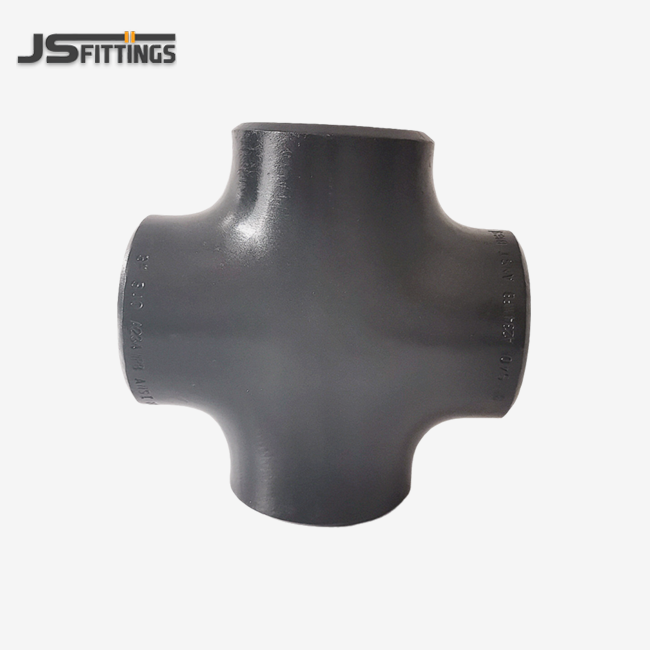
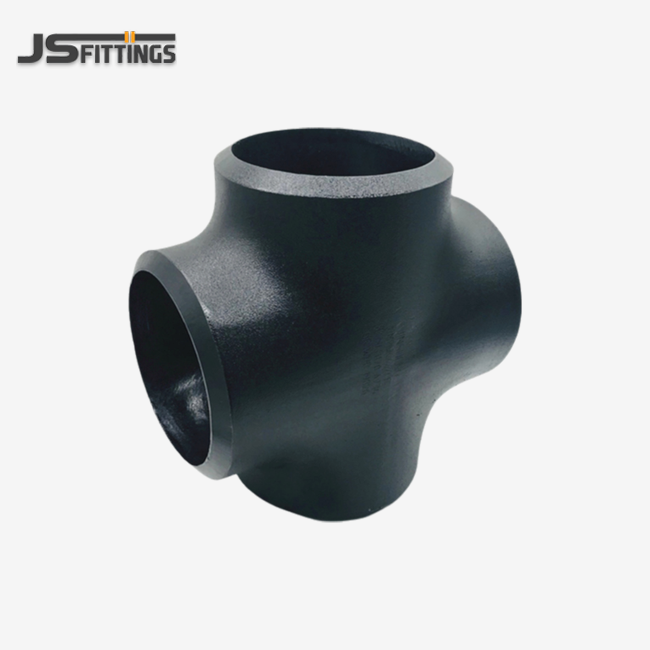
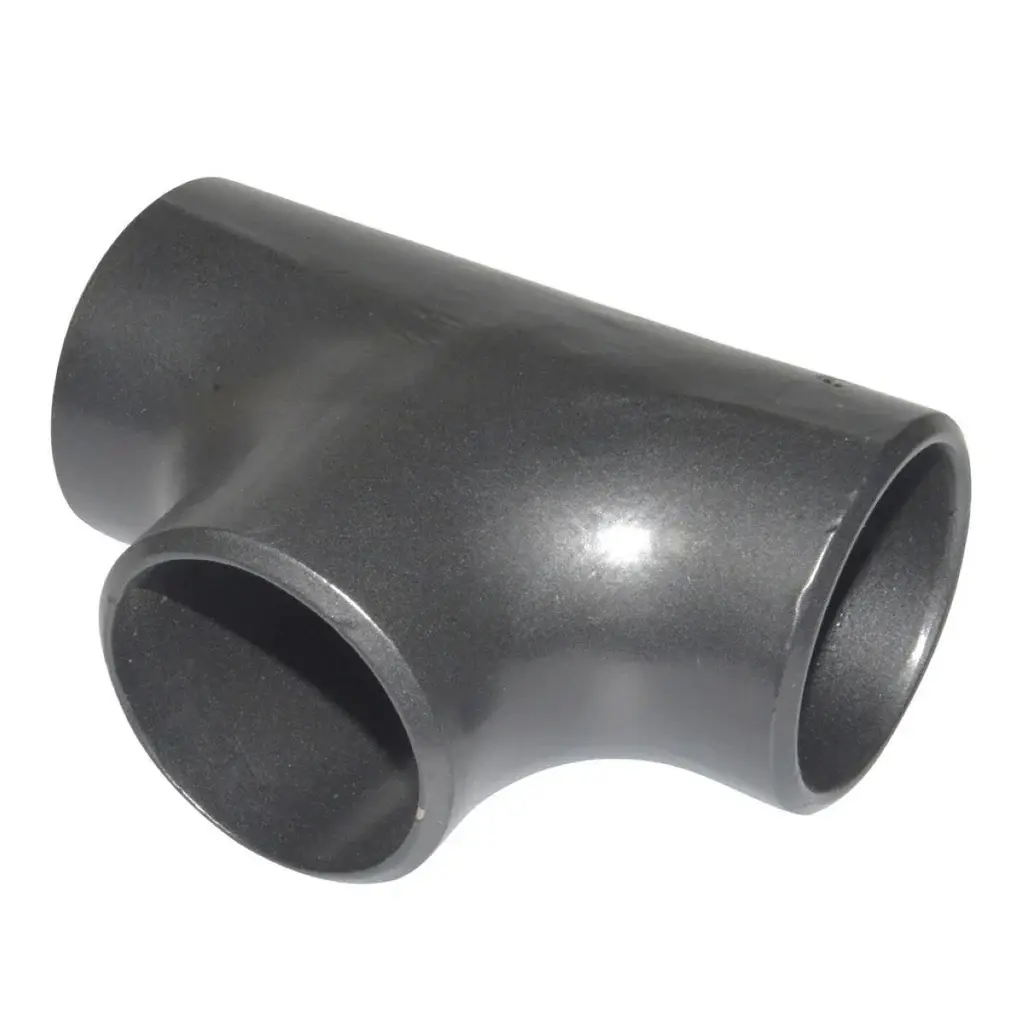
Pipe tees made of buttweld steel are engineered parts that are used to connect pipe branches. To do this, they weld the joints together, which is stronger than using threads or flanges. These parts don't have any mechanical joints when they are first made. This makes it easy to connect them to pipelines, and the thickness of the walls and pressure ratings stay the same during the connection.
The way the goods are made sets them apart into two main groups that procurement professionals see all the time. One way to make seamless pipe tees is to heat solid steel billets and shape them into tee shapes. The grains in these parts are all the same, and they can handle more pressure. Plate steel that is carefully welded into tee shapes is used in some cases that are welded. These are less expensive, but they still work well enough for most uses.
The three holes on an equal tee all have the same diameter. This makes it easy to distribute flow in systems that need pipes that are all the same size. When you use reducing tees with openings of different diameters, you can connect pipes of different sizes without having to use separate reducer fittings. It is easier to install these pipes this way, and there are fewer places where they could leak in industrial pipe networks.
Specifications for materials for buttweld steel pipe tees include carbon steel grades like A234 WPB for general use, stainless steel types like A403 WP304L and WP316L for environments that rust, and alloy steel types like A234 WP11 and WP22 for use in hot environments. In terms of its resistance to corrosion, high temperatures, and mechanical strength, each grade of material is better suited for a different set of tasks.
Things You Should Look for in a Buttweld Steel Pipe Tee
To pick the right pipe tee fittings, you need to carefully think about the things that affect how well they work and how long they last in industrial settings. The most important thing is that the pressure ratings work well together, and the tee specifications must go above the system's operating pressures with enough safety margins to be okay. Pressure classes that are common include 150#, 300#, 600#, and higher. Each one has its own rules about how thick the walls need to be and how much pressure can be used.
Any material you choose will change how well it works based on the temperature. T-shirts made of carbon steel do well in temperatures up to 400°C, while those made of stainless steel can handle temperatures above 600°C without breaking down. Most steel isn't strong enough to be used in places with high temperatures, like power plants and petrochemical plants. Alloy steel is.
How well an installation works and how well the system works as a whole depend on how well the measurements are made. To make sure the weld is ready and the joint is strong, the pipes that are connected must have the same wall thickness. ASME B16.9 and B16.25 are standard measurements for fittings that are made in a factory and ends that are buttwelded together. These standards make sure that buying things around the world is based on the same set of rules.
Different industrial settings have very different needs when it comes to corrosion resistance. You should only use stainless steel or a special alloy that has been shown to be resistant to certain chemicals when working with them. For better corrosion protection in marine and offshore settings, it's important to choose materials and surface treatments that can handle corrosion from saltwater and air.
Putting buttweld steel pipe tees next to other ways to connect shows that they work better in critical service and high-pressure situations. Plug-in socket weld fittings work well for smaller pipe systems, but they can lead to crevice corrosion in places where corrosion is common. It's easier to install things with threaded connections, but you can't put as much pressure on them, and they create stress points that make the system less reliable. There are many ways to make a fabricated t-shirt, but they need to go through a lot of quality control checks to make sure they always work the same way.
Strategies for Getting Buttweld Steel Pipe Tees
When buying steel pipe tees strategically, you need to look at a lot of different suppliers and not just look at prices at first. Supplier certifications like ISO 9001 quality management systems, ASME certification marks, and the ability to have a third-party inspect the work show that the supplier knows how to make things well and is committed to quality assurance. With these certifications, you can be sure that the product is consistent and meets international standards.
Managing lead times is very important in project-based industries where delays can affect construction schedules. Suppliers you can trust keep enough stock on hand to meet standard requirements and show they can quickly meet custom needs as well. Communication protocols and project tracking systems make it possible to manage schedules proactively and find delivery problems early on.
Different industries and uses have different requirements for quality documentation. For nuclear and pharmaceutical projects, it's important to be able to track materials by their heat numbers, get reports on their chemical composition, and get certifications of their mechanical properties. API standards and third-party inspection protocols must be followed for oil and gas applications. When procurement teams know these requirements, they can set the right levels of documentation for suppliers during negotiations.
Both pricing structures and relationships with suppliers are affected by volume. Here are the main benefits of buying that experienced buyers take advantage of:
Learning about volume-based purchasing strategies can help you get the best deals on both costs and relationships with suppliers for projects of all sizes.
- Consolidated ordering: Putting together needs from several projects lowers costs per unit and makes it easier to coordinate logistics. This method works especially well for distributors and EPC contractors who are working on similar projects at the same time.
- Long-term agreements: Making framework agreements with qualified suppliers ensures stable prices and fair distribution of capacity during times of high demand. When the market conditions cause material shortages or price changes, these relationships are very helpful.
- Inventory management: figuring out how to balance the costs of keeping items on hand with the needs for availability by strategically positioning items in stock. Critical specifications require higher stock levels, while just-in-time delivery schedules are used for specialised items.
- Global sourcing means using networks of international suppliers to find the best prices while keeping quality standards high. For this strategy to work, logistics costs, lead times, and quality consistency across different manufacturing locations need to be carefully looked at.
These buying strategies for buttweld steel pipe tees help businesses find the best balance between keeping costs low and making sure operations run smoothly, all while building long-lasting partnerships with suppliers that help them reach their long-term business goals.
Conclusion
To pick the best buttweld steel pipe tees, you should carefully consider the technical details, the skills of the supplier, and the total cost. These all have an impact on how well the project goes. When making a choice, one has to pick the right material, check that it meets the pressure rating, look at the dimensions, and make sure that the supplier has quality control systems in place to ensure the product works well in harsh industrial settings. When you buy something, it's best to deal with a well-known company like JS FITTINGS that has a history of quality, offers full certification support, and can make things in a number of different ways. In a wide range of industrial settings, strategic relationships with suppliers and careful technical evaluation help businesses find the best balance between keeping costs low and making sure operations run smoothly. They do this while also meeting strict quality standards.
FAQs
1. What makes buttweld and seamless steel pipe tees different in terms of how well they work and what they can be used for?
When you hot form seamless buttweld t-shirts, the grains are all the same, which makes them stronger. In critical service situations and when the pressure is above 1500 PSI, this makes them perfect. Welded versions are a cheap choice for everyday use that still work well at pressures up to 1000 PSI. The cost, the size of the system, and how important the application is to its design all play a role in the choice.People who work in procurement need to be sure they pick the right pressure ratings for their needs.
2. How do I find out the rating for pressure?
I need to know the temperature, the maximum operating pressure, and any safety factors that the codes say are important. You can use ASME B31.3 to find out what size process pipes are and B31.1 to find out what size power pipes are. A lot of the time, engineers give pressure ratings that are 25–50% higher than what the system can handle. They do this to keep track of how the temperature and pressure change while the system is running.
3. How long does it take to make steel pipe tees that are just right for me?
It depends on how quickly you can get the materials, how complicated the measurements are, and how many tests you need to do. Usually, it takes 8 to 12 weeks to make a custom t-shirt. Shipping times for standard items from reputable companies like JS FITTINGS are usually between 4 and 6 weeks. This is because of better control over inventory and faster production. It costs more to place a rush order, but if you need it quickly, it can cut lead times to two to three weeks.
We know how to help you find the best buttweld steel pipe tee tools
If you want your supply chain to work better, you should buy buttweld steel pipe tees from JS FITTINGS. Since they've been making good products for 40 years, they know how to meet the needs of those industries. Because we make a lot of different products and are very dedicated to quality, we can promise that projects in a wide range of tough industrial settings will be met with success.
If you need standard specs or configurations that are made to fit the needs of your project, our skilled technical staff is ready to meet with you and give you advice that is specific to your needs. We know that deciding to buy something is only one part of getting it on the market. It's also important to think about things like performance, dependability, and the total cost of ownership over time, as these all affect how well an operation runs.
Email us at admin@chinajsgj.com to talk about the buttweld steel pipe tee you need and find out how our services can help your project go well. We can work together to make your supply chain operations more valuable because we promise to offer low prices, good products, and quick customer service. We offer many products and technical services that can help your business grow. You can see them all at chinajsgj.com.
References
1. American Society of Mechanical Engineers. "ASME B16.9-2018: Factory-Made Wrought Buttwelding Fittings." New York: ASME Press, 2018.
2. Harvey, John F. "Theory and Design of Pressure Vessels." 3rd ed. New York: Van Nostrand Reinhold, 1991.
3. Nayyar, Mohinder L., ed. "Piping Handbook." 7th ed. New York: McGraw-Hill Professional, 2000.
4. Chuse, Robert, and Bryon E. Carson. "Pressure Vessels: The ASME Code Simplified." 8th ed. New York: McGraw-Hill Professional, 2003.
5. Singh, Karan P. "Piping and Pipeline Engineering: Design, Construction, Maintenance, Integrity, and Repair." Boca Raton: CRC Press, 2017.
6. Ellenberger, J. Phillip. "Piping and Pipeline Assessment Guide." New York: ASME Press, 2004.