One of the most important parts of modern pipe systems is the steel fitting eccentric reducer, which makes it easy to switch between pipes of different diameters while keeping the best flow qualities. These special fittings solve hard engineering problems in industrial settings, like stopping air pockets and making sure water drains properly. Plumbing experts can make smart choices that improve project safety, lower costs, and ensure long-term system reliability in a wide range of industrial settings by understanding their design principles, installation requirements, and quality standards.
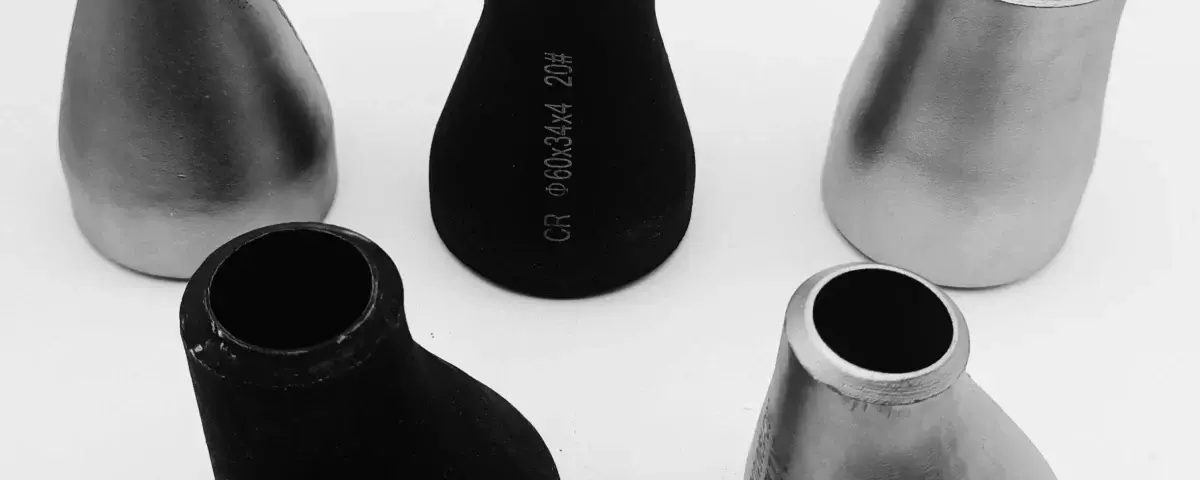
Understanding Eccentric Reducer Fundamentals
Because it is not symmetrical, an eccentric reducer fitting is very different from a circular one. The reducer joins pipes of different sizes together while keeping one side flat. This keeps air from building up and makes drainage easier. Because of their unique shape, steel eccentric reducers are required in horizontal pipeline layouts where maintaining fluid flow is very important.
With the offset central design, there are no dead zones where contaminants could hide or where pressure drops could happen. This feature is liked by engineering teams because it keeps laminar flow patterns while working with a limited area. Steel fitting eccentric reducer applications are used in places where dependability is important, like oil factories, chemical plants, water treatment plants, and HVAC systems.
The choice of materials is very important for how well they work. For everyday uses, carbon steel has a great strength-to-weight ratio. Alloy steel, on the other hand, can handle high temperatures and high pressures. Stainless steel choices for reducers don't rust in harsh environments, so they last longer and don't need to be replaced as often.
Technical Specifications and Standards Compliance
Steel parts made for professionals must meet strict international standards. ASME B16.9 sets the standards for factory-made wrought steel buttwelding fittings sold in North America. It describes the material's qualities, testing requirements, and allowed size variations. The EN 10253 standards, which describe the technical delivery conditions for butt-welding pipe joints, are often used in European projects.
GOST standards are still widely used in markets in Eastern Europe and the Commonwealth. They set quality standards that are in line with the needs of the region's infrastructure. These standards make sure that all manufacturing methods are the same, which lets engineers confidently choose parts.
The sizes of eccentric reducers are based on standard size charts that match up with pipe plans. When figuring out wall thickness, safety factors, temperature cycling, and internal pressure levels are all taken into account. Installers use these specs to choose the right fittings that meet the needs of the job without being overly complicated.
Pressure values change depending on the type of material and the temperature. At room temperature, carbon steel reducers can usually handle pressures up to 3000 PSI. Stainless steel versions, on the other hand, stay strong in harsher conditions. Knowing these limits keeps you from making mistakes that cost a lot of money and ensures you follow the rules with a steel fitting eccentric reducer.
Installation Best Practices and Welding Considerations
The right way to install an eccentric reducer starts with properly preparing the pipe. Beveling the ends of the pipes to match the shape of the fittings ensures that the weld goes all the way through the joint. The cleanliness of the surface has a direct effect on the quality of the weld, so mill scale, oil, and other pollutants must be removed completely before assembly.
To keep the structure's integrity, eccentric reducer welding needs certain methods. Different types of materials and piece thicknesses have different preheating needs. For normal wall thicknesses, carbon steel fittings usually don't need much heating, but alloys may need controlled thermal input to keep them from cracking.
During fitting, joint alignment is very important. The flat side direction must match the purpose of the design, whether it's to help water drain or keep air from getting trapped. When things aren't lined up right, worry builds up and makes them less reliable over time. Professional welders use special supports to keep the pieces in the right place while they join them with a steel fitting eccentric reducer.
For important uses or thick-walled parts, post-weld heat treatment may be needed. This process reduces residual stresses and improves the mechanical qualities of the metal, which makes it last longer under repeated loading. For pressure vessel uses, heat treatment papers are often required as proof of compliance.
Material Selection and Surface Treatment Options
There is a wide range of compositions for steel pipe fitting materials that are made for different service situations. Carbon steel types like A234 WPB are great for a wide range of uses because they are easy to weld and don't rust too badly. In most workplace settings where harsh chemicals are not present, these materials work well.
Compositions of alloy steel improve performance in harsh circumstances. Chromium-molybdenum metals stick together well at high temperatures and keep their strength. Nickel-alloyed steels are good for low-temperature service uses because they don't break easily in cryogenic environments.
Surface cleaning has a big effect on how long something lasts and how often it needs to be maintained. Sandblasting removes dangerous contaminants from surfaces and makes them the best for coatings to stick to. For long-lasting safety in corrosive environments, this step of preparation is a must.
Anti-rust oil protects things temporarily while they are being stored or moved with a steel fitting eccentric reducer. This process stops corrosion from the air while keeping the surfaces weldable. This cheap method of defense is often chosen for projects that need to be installed right away.
Water-based, eco-friendly paint is good for the earth and protects against corrosion well. When these coatings dry at room temperature, they don't make many volatile organic substances. More and more, industrial facilities are choosing these methods to meet their sustainability goals.
Epoxy coating systems guard better against chemical attacks and damage from machines. These high-performance finishes stay adherent even when the temperature changes and are put through tough working conditions. Critical applications often make the extra cost worth it by requiring less upkeep.
Quality Assurance and Certification Requirements
Modern industrial projects need high-quality paperwork that covers a lot of ground. The CE mark shows that the product meets European standards for health, safety, and the environment. PED 2014/68/EU certification directly addresses the needs of pressure equipment, making sure it can be used safely under certain circumstances.
Getting ISO 9001 certification proves that quality control systems are used throughout the whole manufacturing process. With this standard, methods will always be the same, things will always get better, and customers will be happy. More and more, procurement workers need this certification to lower the risks in the supply chain.
GOST-R approval lets you get into markets in the Russian Federation. Part of this approval process is testing the materials, making sure the sizes are correct, and auditing the production process. All pressure-bearing parts in projects in these areas usually have to meet GOST-R standards.
Major oil and gas companies keep lists of qualified vendors that are chosen through strict qualifications. The approvals from NIOC, ADNOC, and PETROBRAS are big steps forward in terms of quality and dependability. These certifications validate manufacturing skills and open the door to high-value project possibilities.
Material test papers make it possible to track materials with a steel fitting eccentric reducer and make sure they work as expected. Chemical analysis confirms the composition of the alloy, and mechanical testing proves its strength. Documentation of heat treatment makes sure that the metal is in the right state for work.
Concentric vs Eccentric Reducer Applications
Design mistakes that cost a lot of money can be avoided by knowing when to use eccentric or circular reducers. When it's important to get rid of air or drain water, eccentric pipe reducers work great in straight runs. The flat-side orientation keeps the slope continuous while allowing for changes in the width.
To keep the flow patterns even, vertical pipe systems usually use circular reducers. These fittings spread changes in speed out evenly around the pipe's outside, which reduces noise and pressure loss. Pump suction lines work better with concentric shapes that stop cavitation.
When it comes to steam systems, condensate draining needs to be carefully thought out with a steel fitting eccentric reducer. Flat-bottomed eccentric reducers make it easier to get rid of condensation, which stops water hammer and heat stress. This example shows how choosing the right fittings has a direct effect on the safety and dependability of a system.
In chemical plants, the process pipes must take into account the properties and flow patterns of the fluids. Viscous materials may need to be positioned in a certain way to keep them from settling or coming apart. During the design part, engineering teams look at these factors to make the system work as well as possible.
Custom Solutions and Special Requirements
Catalog items can't always meet the needs of every job. Custom methods for connecting steel pipes can be made to fit specific dimensions, alloys, or non-standard shapes. Manufacturing skills that allow for customization give businesses big benefits in the market.
For large-diameter uses, custom fabrication is often needed because of shipping or site-specific issues. Using reducing tees and complicated multi-outlet fittings, you can make creative pipe arrangements that still follow the rules. For big infrastructure projects, these skills are important.
Exotic alloys like Inconel, Hastelloy, or duplex stainless steels may be needed because of special needs. These materials can handle harsh conditions where regular types can't. Custom fabrication skills give you access to high-level project possibilities in marine and petrochemical settings.
Dimensional differences outside of normal ranges allow for connections to proprietary equipment. Custom eccentric reducer specs can include different angles, longer lengths, or built-in features that make the product stronger. These needs can be met with flexible manufacturing while still meeting quality standards.
Economic Considerations and Total Cost of Ownership
The initial buying price of a steel fitting eccentric reducer is only one part of the total costs of ownership. Good fittings cut down on repair needs, increase service life, and lower the chance of unplanned downtime. These things have a big effect on the economics of a project over the lifecycle of a building.
The choice of material affects both the cost at first and how well it works in the long run. Carbon steel is a cheap option for everyday tasks, but stainless steel lasts longer in harsh settings where it does not corrode. Life-cycle cost study helps people choose the best materials for their needs.
Quality control during production has a direct effect on installation costs and meeting deadlines. Accurate measurements cut down on the time needed for field fitting, and uniform quality lowers the number of rejections. These things are especially important for jobs that need to be done quickly and have tight deadlines.
Managing supplies and planning projects are both affected by how reliable your suppliers are. Just-in-time delivery is possible with stable supply lines, which also lowers the cost of storage. Long-term relationships with certified manufacturers make it possible to plan for pricing and availability.
Conclusion
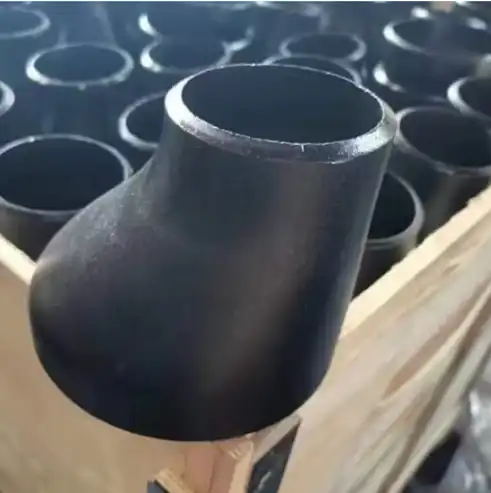
Choosing the right steel fitting eccentric reducer has a big effect on the success of the job in many ways. Knowing the technical details, maintenance needs, and quality standards lets you make smart choices that improve system performance while keeping costs low. The choice of material, how it is treated on the outside, and the standards for certification must all be in line with the needs of the application and the rules that apply.
For professional success, you need to work with makers who can show that their products are of consistent quality and have all the necessary certifications and technical know-how. The money spent on high-quality fittings returns in the form of less upkeep, longer service life, and more reliable systems. These factors are especially important in industrial settings where the costs of downtime are much higher than the prices of the initial parts.
Partner with JS FITTINGS for Premium Steel Eccentric Reducer Solutions
When your projects need quality and dependability that can't be matched, JS FITTINGS has the steel fitting eccentric reducer manufacturing knowledge you need. Our four decades of experience making things, along with our state-of-the-art production lines and many certifications, make sure that your exact needs are always met. We know that EPC contractors, distributors, and industrial end-users need suppliers who keep project risks to a minimum, meet deadlines without skimping on quality, and offer consistent quality.
Our extensive product range includes custom sizes and special materials, all certified to CE/PED 2014/68/EU, ISO 9001, and GOST-R standards. With approvals from NIOC, ADNOC, and PETROBRAS, we provide the documentation and quality assurance your projects require. Ready to discuss your specific requirements and discover how our solutions can optimize your next project? Contact us at admin@chinajsgj.com today.
References
1.American Society of Mechanical Engineers. "ASME B16.9 - Factory-Made Wrought Buttwelding Fittings." ASME International, 2018.
2. European Committee for Standardization. "EN 10253-1: Butt-welding pipe fittings - Part 1: Wrought carbon steel for general use and without specific inspection requirements." CEN, 2016.
3. Peterson, Mark R., and Williams, Sarah J. "Piping Systems Design and Installation: Best Practices for Industrial Applications." Industrial Press, 2019.
4. Russian Federation Standards Committee. "GOST 17378: Steel welded fittings for pipelines. General technical requirements." Standartinform, 2017.
5. Thompson, David L. "Materials Selection for Process Equipment: Corrosion Resistance and Mechanical Properties." McGraw-Hill Professional, 2020.
6. International Organization for Standardization. "ISO 9001:2015 Quality Management Systems - Requirements." ISO Publications, 2015.