For important connections in pipe systems all over the world, metric pipe flanges are precision-engineered parts. Making these flanges to international metric standards like ISO and DIN protects the connections between pipes, valves, pumps, and other machines. In contrast to their British counterparts, metric pipe flanges are measured and specified using the metric system. So, they are needed for business projects all over the world. Because they are well-made, they can handle tough situations in fields where safety and working correctly are significant, such as chemical processing, oil and gas, water treatment, and power generation.
Understanding Metric Pipe Flanges: Definitions, Types, and Key Specifications
It's impossible to say enough about how important metric pipe flanges are to industrial plumbing systems. These parts make links that can be taken apart and put back together again easily, making maintenance, inspections, and system changes possible without having to rebuild the whole pipeline. Their design allows for a wide range of pressures, temperatures, and chemical compatibility needs of modern industrial uses.
There are different kinds of metric pipe flanges that are used for different tasks in different industries. The types that are most often used are:
- These are called Weld Neck Flanges, and they have a long, curved hub that spreads stress very well and works great for high-pressure situations. The gradual change from pipe to flange lowers turbulence and stress concentration points. This makes them good for demanding service situations where structural integrity is important.
- Slip-On Flanges: These flanges are easy to install because they just slip over the end of the pipe and are welded on both the inside and the outside. They are the most cost-effective way to handle mild pressure situations, and they are especially popular for projects that need to be installed quickly and easily.
- Blind Flanges: These solid flanges are used to seal off pipe ends or openings in pressure tanks. They completely separate the two. They are necessary for testing systems, doing maintenance, and planning for future growth in industrial sites.
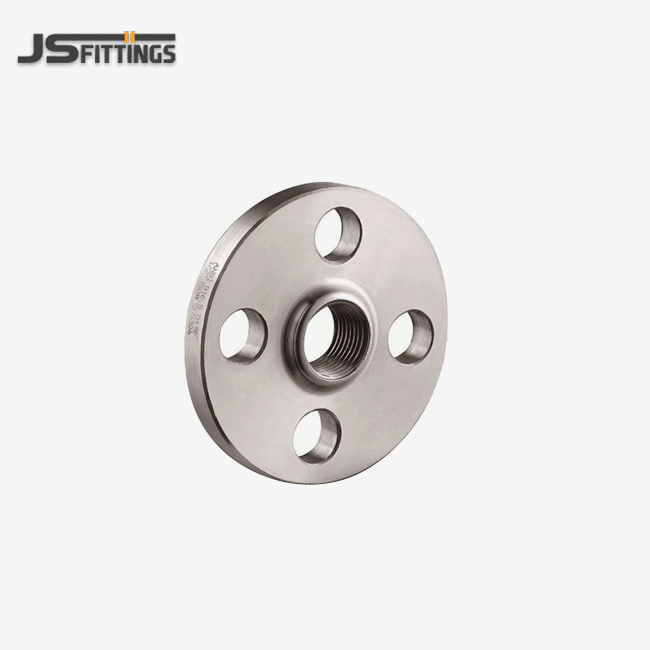
- Threaded Flanges: These flanges don't need to be welded because they have internal threads that match the fittings on the pipe. In smaller diameter uses and when welding isn't possible or isn't allowed for safety reasons, they are often used instead.
These flange types can be used in a wide range of industrial areas and meet a wide range of installation and operational needs. The choice of material is very important for how well a flange works. Grades of stainless steel, like 304L and 316L, are very good at resisting rust, while carbon steel grades are more cost-effective for common uses.
Dimensional precision is still very important for the flange to work properly, especially for metric pipe flanges. Standard requirements include standard bore sizes from DN15 to DN2000, pressure classes from PN6 to PN100, and exact bolt circle sizes that make sure the gasket is compressed properly and the system works without any leaks.
Comparing Metric Pipe Flanges with Other Flange Systems
Knowing the differences between metric and imperial flange systems helps procurement teams make choices that are in line with international standards and project needs. The main changes are not just unit conversions; they also include basic design ideas and how dimensions relate to each other.
The pressure-nominal (PN) values for metric flanges are set by ISO 7005 and DIN standards, which are very different from ANSI class ratings. A PN16 metric flange, for instance, can handle 16 bar of pressure, while an ANSI Class 150 flange can handle about 19.7 bar at room temperature. These differences mean that there can't be a direct substitution without a good engineering evaluation.
Differences in the types of materials used to make metric pipe flanges in both stainless steel and carbon steel affect function and cost. Stainless steel metric flanges are very resistant to rust and keep their shape over a wide range of temperatures, making them essential for use in chemical processing and marine environments. Compared to carbon steel, options offer good performance for common industrial tasks at much lower material costs, meeting the needs of projects that need to stay within their budgets.
To choose the right pressure rating, you need to carefully look at the working conditions and safety margins. High-pressure metric flanges have stronger designs with thicker parts and better bolt patterns that spread loads evenly. These design features make sure that the system works reliably even in harsh conditions, and they also make it easy to do regular upkeep.
Procurement Insights: How to Source Metric Pipe Flanges Efficiently?
Getting metric pipe flanges in a smart way has a big effect on project timelines, prices, and quality. To do good procurement, you need to know about the skills, quality processes, and changes in the market that affect prices and availability of suppliers.
Finding a reliable supplier starts with checking their ability to make things and their standard certifications. Manufacturers with a good reputation use ISO 9001 quality management systems, do thorough testing, and give out certificates for materials that prove their chemical makeup and mechanical features. These credentials make sure that the quality of the product is the same and that all foreign markets follow the rules.
There are many ways to source goods and services in the buying world, and each has its own pros and cons:
- Direct Manufacturers: When you buy from manufacturers like JS FITTINGS, you can get the best prices, get your products customized, and get technical help. Our automated painting production lines protect surfaces consistently, and the wide range of materials we offer meets the needs of any purpose. Custom fabrication services meet the specific needs of a job that standard products can't.
- Authorized Distributors: These partners keep inventory in stock locally, offer faster shipping times, and let you choose smaller quantities. For urgent needs and ongoing maintenance, where availability right away is very important, they are very useful tools.
- Specialized Trading Companies: These organizations focus on specific markets or applications, often providing value-added services like custom packaging, consolidated shipments, and regional logistics support.
With these choices for sourcing, procurement teams can make the best supply chain plans based on the needs of the project, the available budget, and the delivery schedules. When you negotiate, you should talk about things like pricing, payment terms, quality guarantees, and performance promises that protect the project's interests.
Standard products can't always meet the specific needs of a business, so custom flange specifications are needed. Ensuring accurate production and on-time delivery of specialized parts depends on clear communication of limits for dimensions, material grades, surface treatments, and testing needs.
Installation and Maintenance of Metric Pipe Flanges: Best Practices
The service life of flanges is increased by using the right installation methods and proactive maintenance plans. These also make sure that operations are safe and reliable. These techniques cut down on unplanned downtime and lower the total cost of ownership over the lifecycle of the equipment.
For an installation to go well, the area must be carefully prepared, and the steps must be followed exactly. Faces of flanges need to be smooth and clean, without any dents, corrosion, or other debris that could make it harder for the gasket to close. By following the manufacturer's instructions for the right bolt pressure, you can make sure that the gasket is compressed evenly without putting too much stress on the flange components.
Some common fitting mistakes that cause things to break too soon are not properly preparing the surface, choosing the wrong gasket, tightening the bolts unevenly, and not checking the alignment enough. These problems cause areas of high stress, leak paths, and increased wear patterns that weaken the system.
Regular visual checks, checking the torque on the bolts, and checking the condition of the gaskets should all be part of maintenance plans for metric pipe flanges. Finding corrosion, cracks, or deformation early on lets fixes be made before they become too big to fix. Maintaining written records helps with following the rules and finding problems that keep happening, which could mean there are issues with the design or program.
Conclusion
Metric pipe flanges are important parts of modern industrial piping systems because they provide safe and reliable connections that help processes run smoothly. Knowing their features, how they're used, and how to buy them lets you make smart decisions that improve project results. The best way to make sure that something works safely and lasts a long time is to install and maintain it correctly. JS FITTINGS continues to provide high-quality metric pipe flanges to customers around the world, backed by decades of manufacturing experience and a dedication to greatness.
FAQ
Q1: What rules do metric pipe flanges usually follow?
A: Most metric pipe flanges are made in accordance with ISO 7005 and DIN standards, which set the required sizes, pressure levels, and materials. Global compatibility and consistent performance across different makers and applications are made possible by these standards.
Q2: Can metric flanges be used interchangeably with imperial flanges?
Because of differences in size, bolt patterns, and pressure rating systems, it is not suggested that metric and imperial flanges be used interchangeably. For compatibility and safe function, a proper engineering evaluation is needed.
Q3: What factors should I consider when selecting material for metric pipe flanges?
A: When choosing a material, you should think about its budget, working temperature, pressure, chemical compatibility, and corrosion resistance. For normal uses, carbon steel is a cost-effective option, while stainless steel is better at resisting corrosion.
JS FITTINGS: Your Trusted Partner for Premium Metric Pipe Flanges
Since it was founded in 1968, Hebei Jinsheng Pipe Fitting Manufacturing Co., Ltd. (JS FITTINGS) has been a leading maker of metric pipe flanges. We have a wide range of manufacturing options, including standard and unique flange solutions that can be used in the toughest industrial settings around the world.
Our advanced production infrastructure includes four state-of-the-art automatic painting lines that protect surfaces consistently and make them last longer. Within strict environmental controls that meet international quality standards, these tools apply coatings of the same thickness all over.
Our processes are still based on following international standards. These certifications—ISO 9001, CE, and GOST-R—show that we are dedicated to quality excellence and constant improvement. These certifications give customers faith in the product's dependability and compliance with regulations in a wide range of global markets.
Multiple material choices meet the needs of different applications and budgets. Carbon steel and alloy steel are available for normal industrial uses, as well as stainless steel grades 304L, 316L, and duplex alloys for environments that are likely to rust. By using a variety of materials, better answers can be found for a wide range of operational situations.
You can get special needs met with customization options that aren't available with standard goods. Working with customers, our engineering team creates personalized solutions that meet specific requirements for size, material, or performance. This offers the best fit and usefulness for specific uses.
Facilitating certification makes the acceptance of projects easier and more in line with regulations. Our detailed material certificates, test results, and quality records make the inspection and acceptance processes easier. Throughout the project lifecycle, our expert team helps with writing specifications and giving advice on how to use them.
Partner with JS FITTINGS to secure reliable, high-performance metric pipe flanges that exceed your expectations. Our dedicated sales and technical support teams are ready to assist with product selection, quotations, and custom solutions. Contact us at admin@chinajsgj.com for detailed product information and expert consultation.
_1758097857386.webp)