To put on a pipe flange correctly, you need to pay close attention to the steps and things that are said. A pipe flange is an important part of piping systems because it keeps pipes safe and makes it easy to take the system apart for maintenance. Careful alignment, picking the right gasket, tightening the bolts in the right order, and testing the whole thing thoroughly are all parts of the installation process that make sure there are no leaks. When put in the right way, flanged connections last for decades and keep the system's safety standards and integrity.
Before you put in pipe flanges, learn about them
Pipe flanges are necessary for industrial piping systems because they mechanically connect pipe sections, valves, pumps, and other machines. The joints are made up of these round discs with bolt holes all around them. The joints can be taken apart for maintenance and system changes without having to cut the pipes.
Different types of flanges are used for various tasks and situations, such as:
It is best to use weld neck flanges for connections because the stress is spread out evenly across their tapered hub design. When the integrity of the structure is very important, these flanges work great under a lot of pressure. Because they change from pipe to flange slowly, stress concentrations are kept low. This makes them great for important process lines.
In order to attach slip-on flanges, all you have to do is slide them over the end of the pipe. They are strong enough for applications with moderate pressure, but the way they are made creates a small hole in the bore that might change the way fluid flows.
Blind flanges can either close off the end of a pipe system or let you connect it to something else without having to do it now. These solid discs stop the flow but keep the pressure in the system steady.
To connect to pipes, a pipe flange with threads uses standard pipe threads instead of welding. Not under a lot of stress, these flanges work well in spots where welding might not be allowed or possible.
If you want a flange to work well and last a long time, the material you choose is very important. Carbon steel flanges are a cheap choice for most uses, but stainless steel ones are better at resisting corrosion in harsh conditions. There are times when alloy steel flanges can handle high pressures and temperatures.
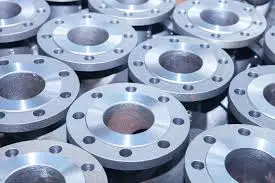
Getting the pipe flange ready to be put on
Getting ready is the first step to a successful flange installation. Get the right tools, check the parts, and make sure the work area is safe in this step.
To properly install a flange, you need calibrated torque wrenches to make sure the bolts are tight, socket sets that are made to fit the bolts, and measuring tools to make sure the flange is lined up correctly. The type of gasket material used must be right for the job. Soft elastomers can be used for low-pressure tasks, but spiral wound gaskets work better for high-temperature tasks.
The parts of a pipe flange are checked before they are installed to avoid problems and ensure long-term dependability. If you look at the faces of the flanges, make sure they are not damaged in any way that could make sealing less effective. Please check that the threads in the bolt holes are straight and in good shape. Make sure the gasket is the right size and that the material can handle the process media.
Charts of standard sizes should be used to check the sizes as part of the inspection process. Two flanges that are meant to fit together should have the same pressure ratings, facing types, and bolt patterns. It can be dangerous and hard to put together parts that don't match.
Making safety plans. During installation, make sure that people and things are safe. Get ready to lift heavy flanges the right way. Make sure there is enough light and space, and make sure the system is no longer under any pressure. People who are installing things have to wear safety glasses, work gloves, and steel-toed boots the whole time.
One Step at a Time: Pipe Flange Connection
Installation requires steps to ensure everything works and fits well. Each step strengthens and improves the previous one.
Place the flanges
Make sure faces and flanges are straight. Short-term bolts will hold the piece while you check flange face gaps. The gasket doesn't experience uneven stress and compression because everything is aligned. This could lead to early failure.
Place the gasket
The gasket must be between the faces of a pipe flange and inside the bolt circle. It shouldn't cover bolt holes either. Each gasket has specific handling instructions. Rings between spiral wound gaskets hold them together during assembly.
Attach bolts
Connect the flange assembly with same-side bolts when possible. It will look better and be easier for maintenance workers. This prevents threads from sticking and ensures torque accuracy.
First, tie it off
Tighten all bolts by hand to meet the gasket and flange. Squeeze the gasket well in the first step. This is crucial before using final torque values.
Tighten this last bit
From 12 o'clock, move across the face to 6, 3, and 9 o'clock to add torque. Repeat on flanges with more bolts, but on the left or right. Raise the torque little by little until you reach the number that was given.
Testing and checking
Check the bolts and gasket for tightness and full compression. To avoid leaks, check pressure according to the rules.
What usually goes wrong during setup? Fix it how?
Flanges can cause several system issues that reduce safety and functionality. Those who know how to fix these issues won't repeat them.
Installation of a pipe flange often involves misalignment. When forced to connect, pipes can break prematurely. Use alignment tools and temporary supports to keep everything in place while assembling. Do not use bolts to align misaligned flanges. Stressing yourself can be dangerous.
If the gasket breaks during installation, it may leak later. They can break from overuse, dirt, or abuse. Be careful not to break gaskets when installing them. Put them somewhere clean. If the gasket is dirty, cut, or torn, replace it.
Bolts too tight or too loose can be dangerous. Tight bolts damage gaskets and overstrengthen them. This could cause leaks and shaking that loosen bolts. Use a calibrated torque wrench and tighten in order to find the bolt stress.
Stop corrosion carefully to avoid long-term damage. Use appropriate thread compounds and coatings to protect them. Keep in mind humidity, chemical proximity, and temperature when planning your safety.
Care and Maintenance for Pipe Flanges
Regular maintenance makes sure that the flange keeps working well throughout the lifecycle of the system. Once, make sure that the flange pence ensures continued flange performance throughout the system lifecycle. Inspections done on a regular basis find problems as they start to form, before they become major problems or safety incidents.
Set up inspection times for a pipe flange based on how the service is going and how much experience you have with it. Applications that use high pressure, high temperature, or corrosive materials need to be inspected more often than applications that use mild materials. Keep track of trends in wear and tear and find the best maintenance intervals by writing down what you find during inspections. Document inspection findings to track degradation trends and optimise maintenance intervals.
Visual checks should look for leaks, corrosion, loose bolts, and damage to the flange face. Check for leaks, rust, loose bolts, and damage to the flange face. White mineral deposits should be found aroundLook for white mineral deposits around the gaskets. These can mean that there is a small leak. Check the tension of the bolts using the right tools, and retorque them if needed using the right steps. And ds, ds, and retorque if necessary, following proper procedures.
Cleaning procedures help keep a pipe flange working well and increase its useful life. Get rid of corrosion products and deposits that could get in the way of proper sealing. Use approved cleaning agents that won't damage flange materials or contaminate process streams.
Replacement criteria help determine when flanges require renewal rather than continued service. Replace flanges showing significant corrosion, mechanical damage, or dimensional changes that prevent proper sealing. Document replacement decisions to support future maintenance planning.
Conclusion
When putting on a pipe flange, it's important to pay attention to how it's lined up, the gasket you choose, how to tighten the bolts, and testing to make sure everything is right. If you follow safety rules and standard operating procedures, your connections will work well for many years to come. Once in a while, checks and maintenance help find issues with a system before they become dangerous or stop working properly. Industrial uses can depend on getting the performance they need with the right installation methods and good parts from sellers they can trust.
FAQ
Q1: What torque values should I use for pipe flange bolts?
A: Torque values depend on bolt size, material, and flange pressure rating. Consult ASME B16.5 or similar standards for specific values. Generally, values range from 50-150 ft-lbs for common flange sizes, but always verify against applicable specifications for your installation.
Q2: How do I know if my gasket is properly compressed?
A: Proper gasket compression shows uniform contact around the entire circumference with slight gasket material visible beyond the flange faces. Avoid over-compression that extrudes gasket material into the pipe bore or under-compression that leaves gaps.
Q3: Can I reuse bolts and gaskets during flange maintenance?
A: Replace gaskets during each disassembly as they typically cannot maintain proper sealing after disturbance. Inspect bolts for thread damage, corrosion, or elongation before reuse. Replace any bolts showing signs of damage or stress.
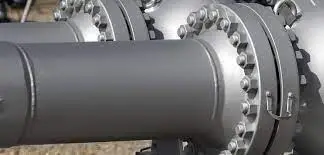
JS FITTINGS: Your Trusted Partner for Premium Pipe Flange Solutions
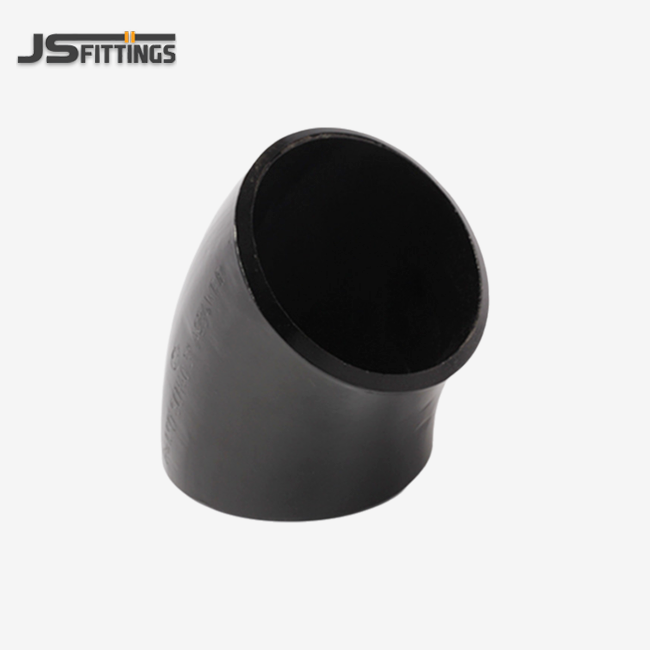
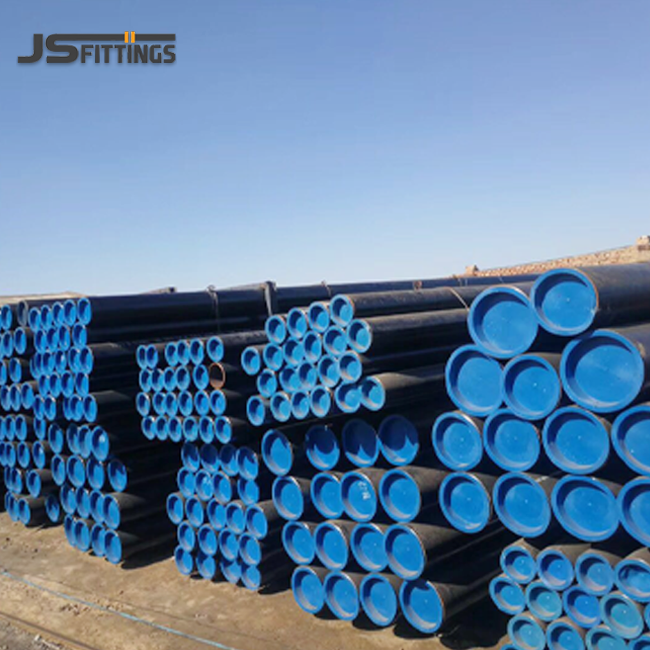
Hebei Jinsheng Pipe Fitting Manufacturing Co., Ltd (JS FITTINGS) brings over four decades of manufacturing excellence to the global piping industry. Our comprehensive product line includes high-quality steel butt-weld pipe fittings, pipe flanges, and pipes designed to meet demanding industrial applications.
Quality certifications, including ISO 9001, CE, and GOST-R, demonstrate our commitment to international standards compliance. These certifications assure that our products meet stringent quality requirements and regulatory standards across different markets. Our quality management system encompasses every aspect of production from raw material procurement through final inspection.
Diverse material options accommodate various service conditions and budget requirements. Our product range includes carbon steel, stainless steel, and alloy steel options engineered for specific applications. Each material grade undergoes rigorous testing to verify mechanical properties and chemical composition.
Customisation capabilities address special project requirements that standard products cannot meet. Our engineering team works closely with clients to develop tailored solutions, including non-standard dimensions, special materials, and unique configurations. This flexibility supports complex projects while maintaining quality and delivery commitments.
Our global reach serves clients across the Middle East, South America, Europe, and Asia through established distribution networks and direct sales. Competitive pricing combined with reliable performance makes JS FITTINGS an ideal partner for your pipe flange supplier needs. Contact us at admin@chinajsgj.com to discuss your specific requirements and discover how our expertise can support your next project.
References
1. American Society of Mechanical Engineers. "ASME B16.5 - Pipe Flanges and Flanged Fittings: NPS 1/2 through NPS 24 Metric/Inch Standard." ASME International, 2020.
2. Bickford, John H. "An Introduction to the Design and Behavior of Bolted Joints." 4th Edition, CRC Press, 2018.
3. American Petroleum Institute. "API 6A - Specification for Wellhead and Christmas Tree Equipment." 21st Edition, API Publishing Services, 2019.
4. Escoe, A. Keith. "Piping and Pipeline Assessment Guide." Gulf Professional Publishing, 2017.
5. Nayyar, Mohinder L. "Piping Handbook." 8th Edition, McGraw-Hill Professional, 2019.
6. American Water Works Association. "AWWA M11 - Steel Pipe Design and Installation." 4th Edition, AWWA Publications, 2018.
_1758095958686.webp)