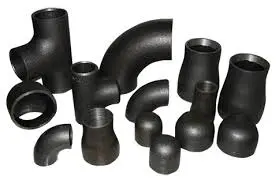
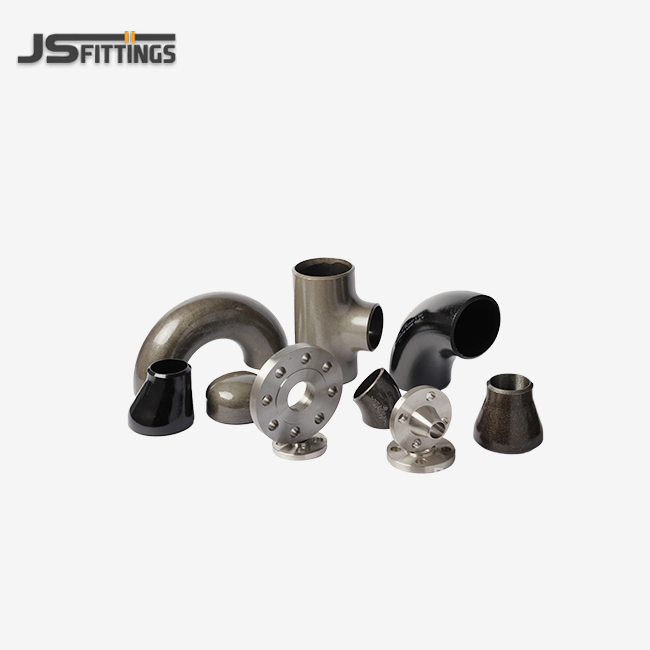
Carbon Steel A105 Buttweld Fitting solutions are still very important to the oil and gas business. These strong parts play important roles in upstream, midstream, and downstream operations. A105 buttweld fittings are strong and reliable, which is what modern energy infrastructure needs for everything from high-pressure drills to complicated refinery processes. Forged carbon steel parts like these work great in temperatures up to 650°F and under pressures that would be hard for other materials. This makes them essential for building pipelines, processing plants, and floating platforms all over the world.
Pipeline Construction and Transportation Systems
Fittings made of A105 steel are used for the main parts of many big pipeline projects in Central Asia, the Middle East, and Latin America. These buttweld pipe fittings make connections that are completely seamless and will last for decades in harsh circumstances. Because the material is so easy to weld, workers can make full penetration welds that are just as strong as the parent pipe.
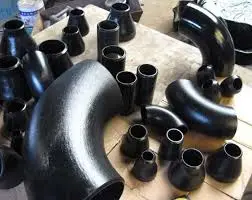
Pipeline builders like carbon steel elbows and buttweld tees because they don't have any threaded links that could let water leak in. Every link point in the process of moving crude oil over thousands of miles is a possible failure point. The A105 material standard makes sure that the mechanical properties are always the same and meet the requirements of ASME B16.9 with Carbon Steel A105 Buttweld Fitting.
Recent projects in Kazakhstan and Nigeria have shown that choosing the right fittings can lower the cost of upkeep over time. The heat-treated carbon steel doesn't rust when used in sour crude oil environments, which is common. This means that pipeline operators will have to change the parts less often and have less downtime.
Refinery Process Units and Distillation Columns
Seamless pipe fittings are used in the most demanding process units at refineries all over the world. Fittings that stay in place in acidic and changing temperatures are needed for distillation columns, catalytic crackers, and hydrotreating units. Forgings made of A105 carbon steel have the mechanical power that these users need.
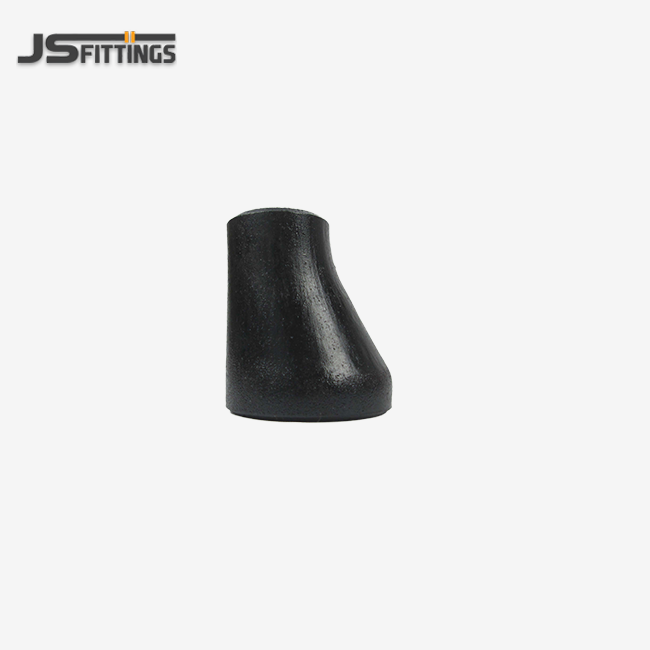
Process engineers choose buttweld reducers and industrial pipe fittings because they make flow changes that are smooth and reduce pressure drops. This design factor has a direct effect on how much energy is used and how much can be processed. After upgrading to the right-sized A105 fittings, refineries in Saudi Arabia and Venezuela said their output went up.
Because the material's growth can be predicted, designers can accurately figure out its thermal stress with Carbon Steel A105 Buttweld Fitting. This stops failures that come up out of the blue during start-up and shutdown. Maintenance teams like that the standard sizes make sure that new parts are always available around the world.
Offshore Platform and Subsea Applications
When drilling offshore, there are special challenges that A105 material solves very well. High-pressure fittings that are meant to be used underwater must be able to handle both water pressure and drilling fluid pressure at the same time. The forged grain structure of A105 carbon steel makes it more resistant to wear than cast steels.
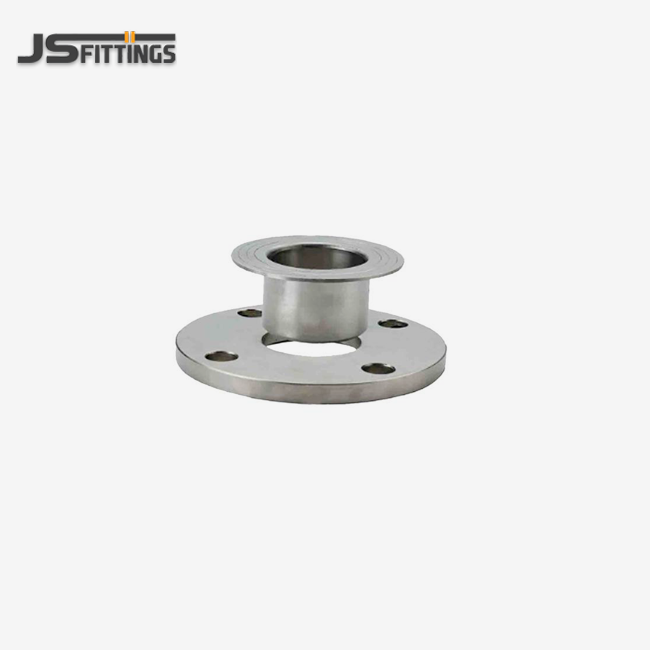
Buttweld stub ends are used to connect important flowlines by drilling companies in the Gulf of Mexico and the North Sea. These parts allow for quick disconnections during bad weather while keeping the pressure intact. Because spool pieces can be made ahead of time on land, expensive offshore construction time is cut down.
Carbon steel couplings are built into subsea manifolds so that wellhead equipment can join to production pipelines. These links must not leak for decades underwater, where repairs are very expensive. Fittings A105 that are approved to GOST-R standards are used in projects in the Russian Arctic that need to be very reliable.
Gas Processing and Compression Stations
Carbon steel pipe fittings are used in all of the compression and treatment systems in natural gas production plants. Buttweld cross valves are used in compressor stations to spread gas flow across several processing trains. Forged fittings have smooth inner sides that lower turbulence, which could lower the efficiency of a compressor.
Gas sweetening units get rid of hydrogen sulfide by using methods that put a lot of stress on pipe systems. Strong connections that can survive the corrosive nature of amine solutions are provided by A105 flanges and weld neck flanges, with Carbon Steel A105 Buttweld Fitting ensuring reliability. Carbon steel parts that were carefully chosen have been used in plants in Algeria and Indonesia for decades.
Metering stations need to be able to accurately measure flow, which is what seamless changes do. Buttweld end caps close off branches that aren't being used while keeping the system's pressure levels the same. The precise measurements of A105 forgings make sure that the flow patterns that measuring tools depend on are always the same.
Storage Tank Farms and Terminal Operations
Tank farms storing crude oil and refined products use extensive piping networks connecting storage vessels to loading facilities. These systems employ numerous buttweld tees and carbon steel elbows to route product flows efficiently. The fittings must handle both the static pressure of full tanks and the dynamic forces of pump operations.
Loading terminals utilize A105 forged fittings in their marine and truck loading systems. These applications require fittings that respond quickly to emergency shutdown signals without creating water hammer effects. The mechanical properties of heat-treated carbon steel absorb pressure spikes that could damage other system components.
Vapor recovery systems capture hydrocarbon emissions using piping networks fitted with specialized buttweld reducers, with Carbon Steel A105 Buttweld Fitting ensuring dependable performance. Environmental regulations across Canada and Europe mandate these systems, creating steady demand for certified fittings that meet strict emission standards.
Power Generation and Utilities Integration
Power plants burning natural gas or fuel oil incorporate A105 fittings in their fuel supply systems. These applications require fittings capable of handling both steady-state operations and rapid load changes that the modern grid demands. The thermal fatigue resistance of forged carbon steel suits these cycling conditions perfectly.
Cogeneration facilities that produce both electricity and steam use industrial pipe fittings rated for dual service. Steam extraction lines employ high-pressure fittings that withstand temperature swings from ambient to superheated conditions. A105 material maintains its strength properties across this entire temperature range.
District heating systems in Eastern Europe utilize carbon steel fittings for hot oil circulation networks. These closed-loop systems operate at elevated temperatures year-round, requiring fittings with exceptional dimensional stability. Properly heat-treated A105 fittings prevent the thermal growth issues that plague inferior materials.
Petrochemical Manufacturing Plants
Petrochemical complexes processing ethylene, propylene, and other basic chemicals rely heavily on ASME B16.9 fittings throughout their process units, with Carbon Steel A105 Buttweld Fitting playing a key role. These facilities operate continuous processes where unplanned shutdowns cost millions of dollars daily. The reliability of A105 buttweld fittings directly impacts plant profitability.
Polymerization reactors use seamless pipe fittings in their catalyst circulation systems. These applications require fittings with smooth internal finishes that prevent catalyst accumulation. The forging process naturally creates the surface quality that these demanding applications require.
Aromatic plants producing benzene and xylene operate at conditions where material selection becomes critical. Carbon steel fittings serve in applications up to their temperature limits, providing cost-effective solutions where exotic alloys aren't justified. Proper material selection balances performance with economic considerations.
Conclusion
The oil and gas industry's continued reliance on Carbon Steel A105 Buttweld Fitting solutions reflects these components' proven performance across diverse applications. From pipeline construction spanning continents to complex refinery processes, A105 fittings provide the reliability that modern energy infrastructure demands. Their exceptional mechanical properties, cost-effectiveness, and global availability make them indispensable for projects requiring long-term performance under demanding conditions. As the industry evolves toward more efficient operations, the role of properly specified and manufactured A105 fittings becomes increasingly critical for project success.
FAQ
Q1: What temperature and pressure ratings do A105 carbon steel buttweld fittings support?
A: A105 carbon steel fittings typically handle temperatures up to 650°F (343°C) and pressure ratings that vary by size and wall thickness according to ASME B16.9 standards. The forged material structure provides excellent mechanical properties that exceed cast alternatives, making these fittings suitable for most oil and gas applications.
Q2: How do A105 fittings compare to stainless steel alternatives in terms of cost and performance?
A: A105 carbon steel fittings offer superior cost-effectiveness for applications where corrosion resistance requirements don't justify stainless steel upgrades. While stainless steel provides better corrosion resistance, A105 fittings deliver excellent mechanical strength at significantly lower material costs, making them ideal for hydrocarbon service with proper surface treatments.
Q3: What quality certifications should I look for when sourcing A105 buttweld fittings?
A: Essential certifications include ASME B16.9 compliance for dimensional standards, ISO 9001 for quality management, and material test certificates verifying chemical composition and mechanical properties. Additional certifications like CE/PED for European projects or GOST-R for Russian applications ensure regulatory compliance in specific markets.
Why Choose Quality A105 Buttweld Fittings for Your Next Project?
Selecting the right Carbon Steel A105 Buttweld Fitting supplier impacts your project's success from initial installation through decades of operation. JS FITTINGS brings over four decades of manufacturing expertise to every component we produce, ensuring consistent quality that meets the demanding requirements of modern oil and gas operations.
Our advanced production facilities maintain strict adherence to ASME B16.9, EN 10253, and GOST standards while providing the flexibility to accommodate custom specifications for your project demands. Whether you need standard buttweld elbows or specialized large-diameter configurations, our engineering team works directly with your specifications to deliver precise solutions.
The comprehensive certification portfolio, including CE/PED 2014/68/EU, ISO 9001, and GOST-R, demonstrates our commitment to quality management systems that major operators like NIOC, ADNOC, and PETROBRAS trust. Each fitting ships with complete technical documentation that simplifies your quality assurance processes and regulatory compliance requirements.
As a trusted Carbon Steel A105 Buttweld Fitting manufacturer, we understand that your project timeline and budget constraints require reliable suppliers who deliver on their commitments. Our global supply network serves clients across the Middle East, South America, Africa, and Southeast Asia with competitive pricing that doesn't compromise performance standards. Ready to discuss your specific requirements? Contact us at admin@jsfittings.com and discover how our engineering expertise can support your next project's success.
References
1. American Society of Mechanical Engineers. "ASME B16.9 Factory-Made Wrought Buttwelding Fittings." New York: ASME Press, 2018.
2. Boyer, Howard E., and Timothy L. Gall, eds. "Metals Handbook: Properties and Selection of Carbon and Alloy Steels." Materials Park: ASM International, 2019.
3. European Committee for Standardization. "EN 10253 Butt-welding Pipe Fittings for Pressure Purposes." Brussels: CEN Publications, 2016.
4. Kannappan, Sam. "Introduction to Pipe Stress Analysis and Design." Hoboken: John Wiley & Sons, 2017.
5. National Association of Corrosion Engineers. "Materials Performance in Oil and Gas Production." Houston: NACE International, 2020.
6. Escoe, A. Keith. "Piping and Pipeline Assessment Guide: For Plant and Facility Engineers." Oxford: Gulf Professional Publishing, 2019.
_1758005569089.webp)