Thinking carefully about quality, price, and regional availability is important when looking for reliable suppliers of metric pipe flanges in large amounts. When trying to find these important parts, industrial buyers in Latin America, Canada, Africa, Southeast Asia, Central Asia, CIS countries, and the Middle East face special problems. Looking at well-known companies with foreign certifications, comparing prices in different areas, and learning about local distribution networks is the best way to make sure the project succeeds and avoids unnecessary costs.
A look at the global market for metric pipe flanges
Developing industrial areas around the world are continuing to increase their demand for metric pipe flanges. Oil and gas infrastructure projects are growing quickly in Latin America, which is driving up the demand for certified flange goods. Strict quality standards and environmental protection are important in Canadian markets, especially for applications in the energy industry.
How do regional markets work, and how do prices change?
Expanding infrastructure growth in African markets, mainly for water treatment and mining uses. A metric flange's dimensions must meet international standards while also staying within the budget limits of a developing economy. Metric pipe flange fittings must be effective because industries are growing quickly in Southeast Asian countries like Indonesia, Malaysia, and Vietnam.
Elements for energy facilities are still in high demand in Central Asian and CIS countries. In addition to ISO norms, these areas often prefer suppliers who are certified by GOST-R. Corrosion-resistant materials are popular in the Middle East because the climate is harsh and the petrochemical industry needs them.
Price Differences Between Markets Around the World
Some places have higher prices for metric pipe flanges than others. The exact price depends on the flange's size and pressure grade. Costs of labor, transportation, and the amount of competition in the market affect regional pricing.

Understanding the Standards and Specifications for Metric Pipe Flange
Making costly mistakes in the procurement process is avoided by fully knowing the specifications. Dimensional requirements and performance qualities for metric flanges are set by DIN, EN, and ISO classifications.
Key Parameters for Specification
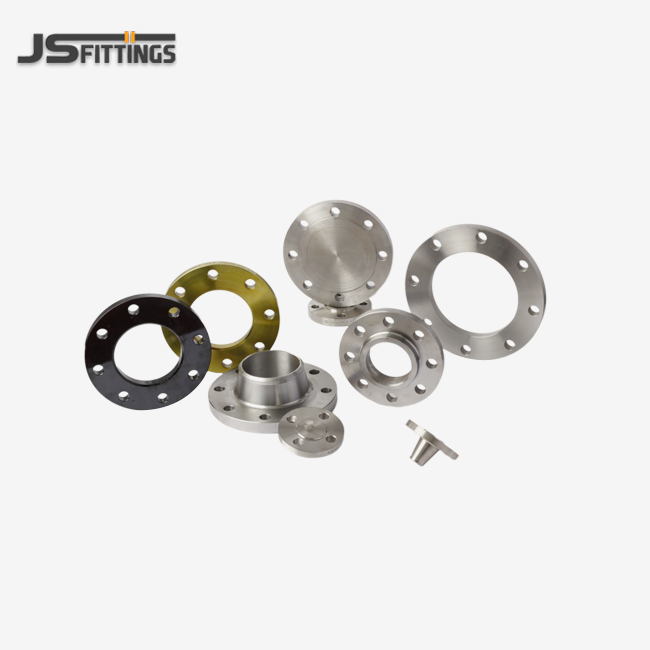
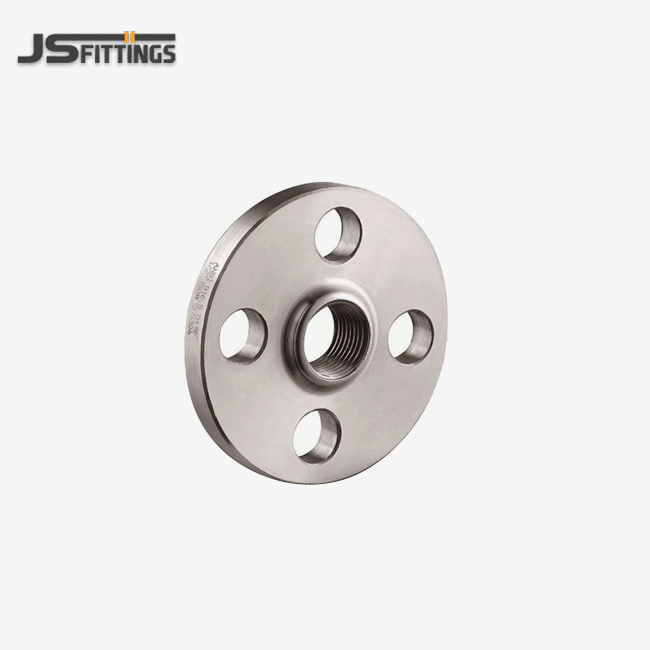
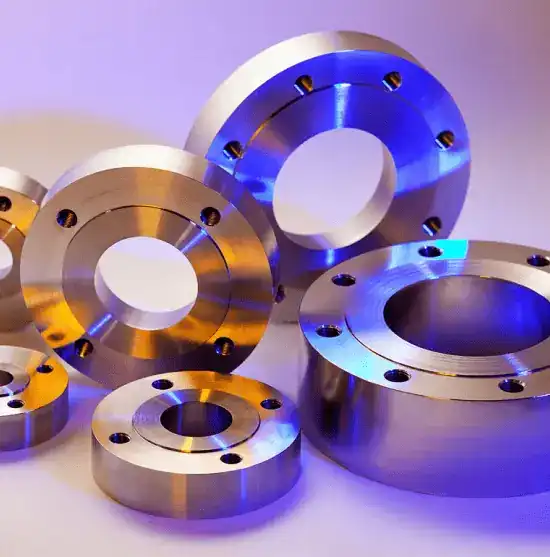
Different metric flange sizes have different pressure values, usually between PN6 and PN400. Understanding the different types of metric flanges helps users choose the right configurations for each job. Using welding neck flanges for high-pressure uses makes them stronger, and slip-on designs make installation easier.
Types of materials used for metric flanges include common carbon steel and rare metals. Chemically aggressive environments usually use types 304 and 316L stainless steel. Duplex stainless steels are used in harsh environments where increased strength and corrosion resistance are needed.
Region-Specific Certification Needs
In different markets, different certification requirements are particularly important. European buyers usually want CE branding and EN compliance. In addition to local licenses, Middle Eastern projects often need API certifications. Prioritizing GOST-R certification for legal compliance is important for CIS countries.
Overall, material test certificates (MTCs) are still necessary in all areas. Independent inspection services give extra quality assurance for important uses. In order to avoid project delays and ensure compliance with regulations, it is important to understand these standards.
Supplier Categories and Sourcing Channels
Multiple sourcing channels offer different advantages depending on project requirements and risk tolerance.
Direct Manufacturer Sourcing
| Advantages | Disadvantages |
|---|---|
| Competitive pricing on bulk orders | Higher minimum order quantities |
| Quality control oversight | Longer lead times |
| Customization capabilities | Limited local inventory |
| Technical support access | Complex logistics coordination |
Established manufacturers like JS FITTINGS offer comprehensive product ranges with consistent quality standards. Their automated painting production lines ensure uniform surface finishes that meet international specifications.
Regional Distributors and Trading Companies
Local distributors provide faster delivery and smaller quantity flexibility. They maintain regional inventory for common metric flange dimensions and can provide immediate availability information. Trading companies often offer competitive pricing through consolidated purchasing power.
B2B Platforms and Digital Marketplaces
Online platforms facilitate supplier comparison and price benchmarking. They provide access to multiple suppliers simultaneously while enabling detailed specification matching. However, quality verification becomes more challenging without direct supplier relationships.
Quality Assessment and Supplier Verification
Quality problems and project delays can be avoided by carefully evaluating suppliers. Technical skills, quality processes, and financial stability are all parts of an effective assessment.
Technical Capability Evaluation
The ability to manufacture has a direct effect on the quality of the product and the dependability of delivery. Results are usually more uniform when they come from more advanced production facilities with automated processes. Suppliers who offer a wide range of materials can meet the needs of different projects without having to wait for materials to arrive.
Having testing tools available shows that you care about quality. Hydrostatic tests, dimensional verification, and material analysis tools should all be available from suppliers. Third-party laboratory partnerships give you more testing choices for specific needs.
Quality Management Systems
Getting ISO 9001 certification shows that you can handle quality in a systematic way. Extra certifications, such as ASME, API, or CE marking, show that the product has unique skills for certain markets. Regular audit reports show how well quality performance is still going.
The quality history of a supplier is a useful way to measure success. Ask for references from projects that are similar to yours and check their delivery success records. Suppliers who have quality non-conformance rates below 2% are usually trusted.
Financial Stability and Risk Assessment
Stable finances make sure that suppliers can handle big sales without any problems. For big purchases, get cash statements or credit reports. Suppliers who have credit facilities and established banking links are more likely to be reliable.
Assessing production ability stops problems with overcommitting. Before placing big orders, check the current production schedules and capacity that are available. Suppliers should keep extra capacity on hand in case demand rises without warning.
Procurement Best Practices and Risk Management
To successfully buy in bulk, you need to carefully plan your purchases and come up with ways to reduce risks.
Order Planning and Timing
Managing lead time becomes very important for the project's success. Standard metric pipe flanges can be made in 3 to 6 weeks, but custom specs can take up to 8 to 12 weeks. Project delays can be avoided by planning orders with enough extra time.
Prices and supply are affected by changes in seasonal demand. Maintenance shutdowns in factories at certain times of the year can make it hard to get supplies. When demand is low, placing an order early often leads to a better price.
Payment Terms and Risk Mitigation
The way a project is paid for affects its cash flow and risk exposure. Standard terms include paying 30% up front and holding on to the rest until you get the shipping papers, or you can set up a letter of credit for bigger orders. Suppliers who have been around for a while may give returning customers longer payment terms.
High-quality escrow arrangements give big orders extra security. Specifications are followed by having a third-party check the goods before they are shipped. Withholding payments until final acceptance, suppliers are more likely to pay attention to quality details.
Logistics and Delivery Optimization
Shipping arrangements have a big effect on the total cost and the time it takes to send. Ocean freight is cheaper for large amounts, but it takes longer to get from one place to another. For a higher price, air freight meets urgent needs.
Damage during shipping can be avoided by using good packaging. When it comes to safety, wooden crates are better than regular packaging. Clear instructions must be given on how to handle large-diameter bolts in a certain way.
Regional Sourcing Strategies
Each target area has its own opportunities and problems when it comes to buying metric pipe flanges.
Latin American Market Dynamics
With big increases in infrastructure, Brazil and Mexico meet most of the region's needs. Some countries require local content, which helps local relationships or suppliers from the area. Changes in currencies affect the stability of prices and require methods for hedging.
The way that countries set their import duties is very different. It is easier to get the best total costs when you know about tariff classifications and preferential trade deals. Having a local representative often makes clearing customs easier and lowers the administrative load.
African Market Considerations
South Africa is an important hub for distribution in the area, and its industrial infrastructure is well-established. Nigeria's demand is rising because of new oil and gas discoveries. Because of limited infrastructure in some areas, operations need to be carefully planned.
In some countries, the rules for partnerships mean that joint ventures are the only way to go. Compliance problems and project delays can be avoided by understanding regulatory systems.
Middle Eastern Procurement Environment
The UAE and Saudi Arabia have great logistics systems for distributing goods in the area. For uses at high temperatures, you need special finishes and materials. In some places or projects, halal approval may be needed.
Most of the time, better pricing and priority allocation come with long-term supply deals. By building ties with key distributors, you can be sure that your products will always be available during times of high demand.
Conclusion
Successful bulk procurement of metric pipe flanges requires balancing quality, cost, and delivery requirements across diverse global markets. Regional variations in standards, pricing, and logistics necessitate tailored sourcing strategies. Direct manufacturer relationships often provide optimal value for large-volume requirements while local distributors serve smaller quantities effectively. Thorough supplier verification and quality management systems ensure project success and minimize risks. Understanding regional market dynamics enables buyers to optimize timing and achieve competitive pricing while meeting technical specifications.
FAQ
Q1: What is the typical minimum order quantity for bulk metric pipe flange purchases?
A: Most manufacturers require minimum orders of 50-100 pieces for standard sizes, with larger quantities needed for specialized materials or custom specifications. Some suppliers offer lower MOQs for mixed-size orders.
Q2: How do metric flange pressure ratings compare to imperial standards?
A: Metric pressure ratings use PN (Pressure Nominal) designations while imperial systems use ANSI classes. PN16 roughly equals ANSI 150, PN25 corresponds to ANSI 250, and PN40 matches ANSI 400, though exact specifications may vary.
Q3: What payment terms are typically available for bulk orders?
A: Common payment structures include 30% advance with balance against shipping documents, letters of credit for large orders, or net 30-60 day terms for established customers with strong credit profiles.
Q4: How can buyers verify the quality of metric pipe flanges before delivery?
A: Request material test certificates, dimensional inspection reports, and pressure test documentation. Third-party inspection services can verify quality before shipment for critical applications.
Get Quality Metric Pipe Flanges from a Trusted Manufacturer
JS FITTINGS delivers premium metric pipe flanges manufactured to international standards with over 40 years of industry expertise. Our automated painting production lines ensure consistent surface finishes while diverse material options accommodate demanding applications across oil, gas, petrochemical, and infrastructure projects. We maintain ISO 9001, CE, and GOST-R certifications with customization support for special requirements.
Our experienced team provides technical assistance for metric flange specifications, material selection, and application guidance. Competitive bulk pricing combined with reliable delivery schedules helps minimize project risks while meeting strict deadlines. Quality control systems ensure every flange meets or exceeds performance requirements for long-term reliability.
Ready to source reliable metric pipe flanges for your next project? Our sales team provides detailed quotations, technical specifications, and delivery schedules tailored to your requirements. Contact us at admin@chinajsgj.com to discuss your bulk metric pipe flange supplier needs and discover why industrial professionals choose JS FITTINGS for critical applications worldwide.
References
1. American Society of Mechanical Engineers. "ASME B16.5 - Pipe Flanges and Flanged Fittings: NPS 1/2 Through NPS 24 Metric/Inch Standard." 2020 Edition.
2. International Organization for Standardization. "ISO 7005-1:2011 Metallic flanges - Part 1: Steel flanges." Geneva: ISO Press, 2011.
3. Deutsches Institut für Normung. "DIN EN 1092-1:2018 Flanges and their joints - Circular flanges for pipes, valves, fittings and accessories." Berlin: Beuth Verlag, 2018.
4. European Committee for Standardization. "EN 10204:2004 Metallic products - Types of inspection documents." Brussels: CEN Management Centre, 2004.
5. American Petroleum Institute. "API 6A - Specification for Wellhead and Christmas Tree Equipment." 21st Edition, Washington D.C.: API Publishing Services, 2019.
6. Russian Federation State Committee for Standards. "GOST R 54432-2011 Flanges steel welding for pipelines. General technical requirements." Moscow: Standartinform, 2011.