- English
- French
- German
- Portuguese
- Spanish
- Russian
- Japanese
- Korean
- Arabic
- Greek
- German
- Turkish
- Italian
- Danish
- Romanian
- Indonesian
- Czech
- Afrikaans
- Swedish
- Polish
- Basque
- Catalan
- Esperanto
- Hindi
- Lao
- Albanian
- Amharic
- Armenian
- Azerbaijani
- Belarusian
- Bengali
- Bosnian
- Bulgarian
- Cebuano
- Chichewa
- Corsican
- Croatian
- Dutch
- Estonian
- Filipino
- Finnish
- Frisian
- Galician
- Georgian
- Gujarati
- Haitian
- Hausa
- Hawaiian
- Hebrew
- Hmong
- Hungarian
- Icelandic
- Igbo
- Javanese
- Kannada
- Kazakh
- Khmer
- Kurdish
- Kyrgyz
- Latin
- Latvian
- Lithuanian
- Luxembou..
- Macedonian
- Malagasy
- Malay
- Malayalam
- Maltese
- Maori
- Marathi
- Mongolian
- Burmese
- Nepali
- Norwegian
- Pashto
- Persian
- Punjabi
- Serbian
- Sesotho
- Sinhala
- Slovak
- Slovenian
- Somali
- Samoan
- Scots Gaelic
- Shona
- Sindhi
- Sundanese
- Swahili
- Tajik
- Tamil
- Telugu
- Thai
- Ukrainian
- Urdu
- Uzbek
- Vietnamese
- Welsh
- Xhosa
- Yiddish
- Yoruba
- Zulu
How to Import ASTM A106 Seamless Pipes from China to UAE?
The UAE's procurement method for importing ASTM A106 seamless pipes from China is involved and requires carefully choosing suppliers, making sure everyone follows the rules, and coordinating logistics. These carbon steel pipes meet strict global standards for use in high-temperature conditions. They are very important for projects in the UAE's oil and gas, petrochemical, and industry sectors. When procurement managers understand the whole import process, they can lower risks, make sure quality compliance, and find suppliers that don't charge too much for their businesses.
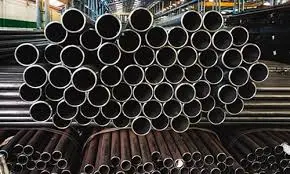
Understanding ASTM A106 Seamless Pipes
For uses that involve high heat and high pressure, ASTM A106 seamless pipes are the best choice when it comes to carbon steel piping. Because these pipes are made in a very difficult process that gets rid of welded joints, they are now one solid piece of steel that can handle very harsh circumstances.
Technical Standards and Grade Classifications
There are three different grades in the ASTM A106 standard, and each one is designed to meet certain performance needs. Grade A has a carbon content of no more than 0.25%, which makes it useful for uses at somewhat cool temperatures. Grade B, which is the most frequently requested version, keeps the carbon content at 0.30% maximum and provides the best balance between strength and ease of use. Grade C has a carbon level of up to 0.35%, which makes it stronger and better for tough uses.
These grades have a range of mechanical qualities that affect how well they can be used in different industrial settings. Grade B seamless pipes have a minimum yield strength of 240 MPa and a tensile strength between 415 and 585 MPa. The chemical makeup has a phosphorus and sulfur content of no more than 0.035% each and a manganese content of between 0.29% and 1.06%.
Chemical Composition and Performance Characteristics
The metallurgical makeup of ASTM A106 seamless pipes has a direct effect on how well they work in industrial settings. Carbon affects how easy it is to weld and how strong the metal is, and manganese improves hardenability and tensile strength. The amount of silicon in the steel makes deoxidation more effective, which helps the pipe hold together better.
The temperature resistance ranges from −29°C to 650°C, which makes it possible to use it in a wide range of climates and settings. The seamless construction gets rid of possible failure spots at welded joints, which lowers the need for maintenance and extends service life in important cases.
Dimensional Specifications and Manufacturing Processes
Either hot-finished or cold-drawn methods can be used to make ASTM A106 seamless pipes. Hot-finished processes can handle larger diameter needs, usually from 6 inches to 48 inches outside circle. Cold-drawn manufacturing allows for exact control of the size of smaller diameter uses, which usually have an outside diameter between 1/8 inch and 6 inches.
Wall thickness requirements use common schedules, such as Schedule 40, Schedule 80, Schedule 160, and XXS (Extra Extra Strong). These schedules are linked to certain pressure values and needs for mechanical strength, which makes it possible to exactly match them to the needs of the application.
Why Import ASTM A106 Seamless Pipes from China to the UAE?
China is a top producer of ASTM A106 seamless pipes because they have modern ways of making goods, low prices, and strong quality control systems. The benefits of buying from Chinese makers beyond the cost include dependability, technical knowledge, and ease of shipping.
Cost-Effectiveness and Quality Certifications
Chinese manufacturers use economies of scale and advanced production technologies to make ASTM A106 seamless pipes that are reasonably priced and meet high standards of quality. ISO 9001:2015, ASTM International, and API specifications are just a few of the certifications that manufacturing plants keep to make sure their goods meet global standards.
Because of connected supply lines, good manufacturing methods, and easy access to raw materials, the cost of production stays competitive. These benefits to the economy mean that costs are 20% to 35% lower than in other parts of the world with the same level of performance and compliance.
UAE Market Demand and Industry Applications
The UAE's strong industrial sector creates a big need for high-quality seamless pipes in a lot of different fields. Oil and gas activities need pipes that can handle high pressures, harsh conditions in the desert, and places that eat away at the material. When chemicals that are harsh and hot are used in process uses, petrochemical plants need piping systems that they can count on.
Infrastructure projects across the UAE are increasing the demand for ASTM A106 seamless pipes in construction, power generation, and water treatment. The Dubai Industrial Strategy 2030 and Abu Dhabi Economic Vision 2030 stress the need for industrial diversity, which will create even more chances for piping materials to enter the market.
Supplier Credibility and Manufacturing Excellence
Honest Chinese producers have a history of serving customers around the world with steady quality and on-time delivery. The top suppliers keep big testing labs, high-tech quality control systems, and expert teams on hand that can help with difficult project needs.
Often, production facilities go beyond the bare minimum needed for certification. They include extra steps for quality, such as having a third party examine their work, using advanced non-destructive testing, and setting up systems that fully track the origins of their materials. These better-quality platforms give more peace of mind for the deployment of important applications.
Step-by-Step Guide to Importing ASTM A106 Seamless Pipes
If you want to successfully buy ASTM A106 seamless pipes, you need to make plans, follow the rules, and do a lot of research on your suppliers. The import method has many steps, each requiring different types of knowledge and paperwork.
Supplier Selection and Qualification Process
A thorough study of possible manufacturers' skills, credentials, and past performance is the first step in finding good suppliers. Check the production ability to make sure that the people who supply your project can meet the deadlines and volume needs. Go over the quality certifications that include approvals from ASTM International, compliance with ISO 9001:2015, and applicable API requirements.
Ask for in-depth scientific papers that have the dimension and chemical analysis data, as well as mill test certificates. Make sure the suppliers are capable by checking their facilities, talking to customers who have worked with them before, and looking at how past projects went. Set up clear ways to talk to each other and make sure that technical help is always available during the procurement process.
Negotiation Essentials and Order Processing
Negotiation takes into account the price, when and how the item will be delivered, how to tell if the quality is good, and how to pay. Depending on the size and specs of the pipe, the minimum order quantity is usually between 10 and 25 tons. Based on the total order volume, how flexible the delivery timeline is, and the possibility of a long-term partnership, negotiate the prices.
List exact technical needs, such as how to grade it, size limits, how to prepare the end, and marking rules. Using the right Incoterms, make it clear when payments are due and how inspections will be done. Put all agreements in detailed buy orders that make sure everyone knows what they expect and are responsible for.
Logistics and Shipping Arrangements
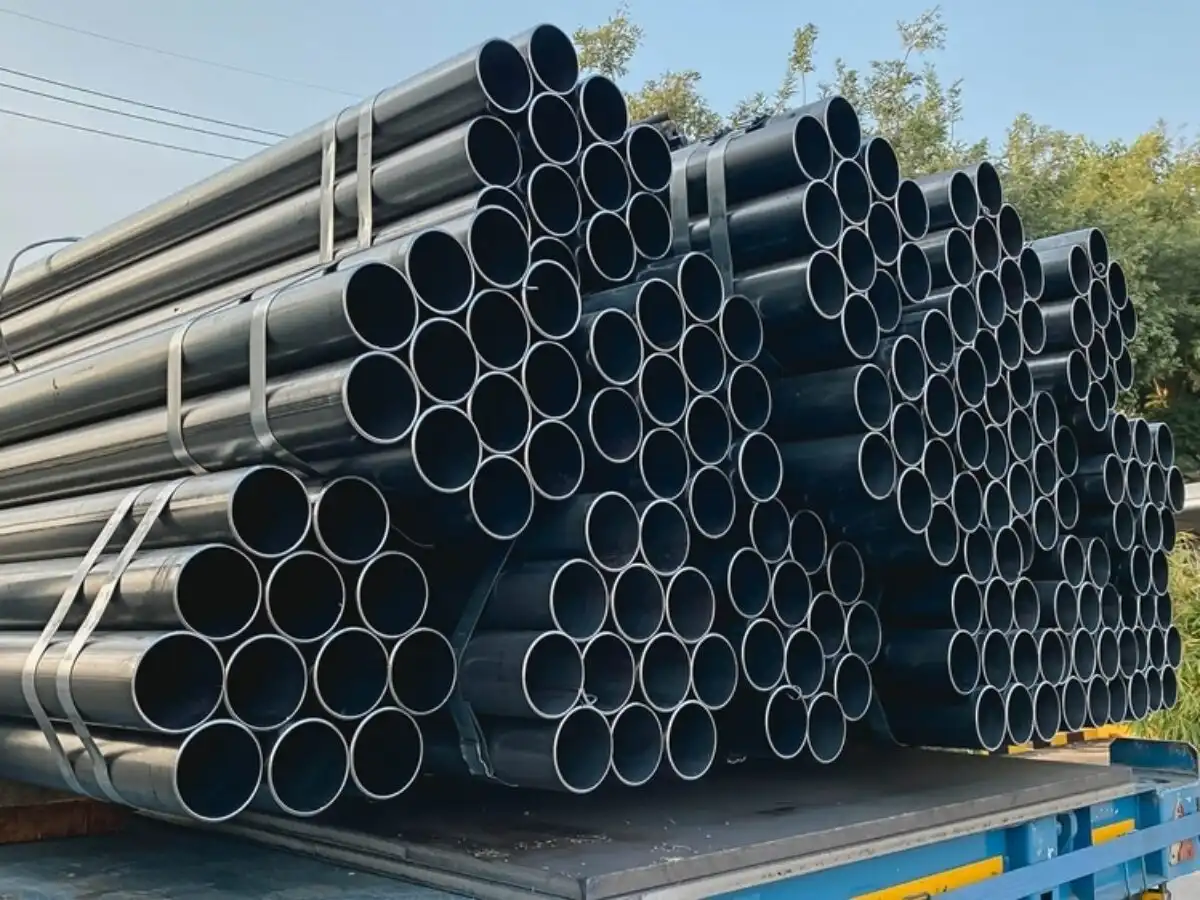
For sending a lot of pipe from China to the UAE, sea freight is the cheapest way to move it. Shipping services to Jebel Ali, Abu Dhabi, and other places in the UAE often leave from big Chinese ports like Shanghai, Ningbo, and Qingdao. Transit times usually take between 14 and 21 days, based on how busy the ports and routes are.
The packaging needs to protect the pipes while they're being shipped and make it easy to move them around at the places they arrive at. Steel cradles, protective end caps, and covering materials that can stand up to the weather are all included in the standard package. Freight forwarders who are good at handling industrial products should be contacted to make sure that the right paperwork is done and customs rules are followed.
UAE Import Regulations and Customs Procedures
When entering the UAE, goods must show certain papers, such as a business invoice, a bill of lading, a certificate of origin, and any other relevant quality certifications. Depending on trade deals and how different kinds of pipes are classified, the import tax on steel pipes is usually between 5% and 10%. Make sure that all of the paperwork correctly shows the product's values, specifications, and place of origin.
When goods are cleared by customs, they have to pay duties, their papers are checked, and they are physically inspected. Get help from customs agents who know a lot about importing industrial equipment so you can clear the shipment faster and avoid delays. For the sake of following the rules and being able to look back on them later, keep full records of all goods brought into the country.
Ensuring Quality and Compliance of Imported Pipes
Quality assurance procedures protect the value of investments and make sure that pipes can be counted on to work properly for the rest of their lives. A lot of testing and inspection must be done to make sure that ASTM A106 standards and project-specific requirements are met.
Testing and Inspection Protocols
Chemical analysis proof, mechanical property testing, dimensional inspection, and hydrostatic pressure testing are all mandatory ways to test. The chemical analysis shows that the levels of carbon, manganese, phosphorus, and sulfur meet the standards for that grade. Tensile testing checks elongation characteristics, yield strength, and final tensile strength.
Ultrasonic examination, magnetic particle inspection, and other non-destructive testing methods find possible internal or surface flaws. Dimensional verification checks that the outside width, wall thickness, and length are within the acceptable ranges. Hydrostatic testing shows that it can hold pressure at certain test pressure levels.
Certification Requirements and Documentation
Mill test certificates with chemical analysis results, mechanical property data, and dimensional readings are important certifications. ASTM International approval shows that the product meets the standards for quality and specifications. Third-party inspection papers show that the features and test results of a product are correct.
As extras, one may need to show records of material traceability, certificates of heat treatment, and results of specialized tests for very important cases. Keep full records that back up quality claims and compliance with the rules for the whole life cycle of the product.
Quality Dispute Resolution and Warranty Protection
Make it clear how to deal with quality issues by setting up review rules, ways to settle disagreements, and choices for fixing problems. Define who is responsible for extra tests, replacement goods, and the costs that come with them. Write down the warranty terms that include expected service life, performance promises, and flaws in the material.
Quick communication, unbiased technical review, and fair remedy execution are all necessary for effective quality dispute resolution. When there are disagreements, keep in touch with independent testing labs that can give fair scientific reviews.
JS FITTINGS: Your Trusted Partner for ASTM A106 Seamless Pipes
The world industrial piping market has been served for over forty years by JS FITTINGS. We can handle ASTM A106 seamless pipe production, precision machining, and logistics for projects that need to meet foreign standards.
Production Capabilities and Quality Assurance
Our factories can make 30,000 tons every year, which guarantees that we can always meet the needs of big projects. Advanced production lines use the latest technology to make sure that the quality and size of the products are always the same. Certified steel pipes that are dual-standard comply with both API 5L and EN 10219. This broad compliance makes them useful for a wide range of situations.
Quality management systems go above and beyond what is normally expected in the field by getting ISO 9001:2015 certification, complying with CE marking, and getting GOST-R licenses. Full-spectrum material verification, which includes chemical analysis, mechanical testing, and advanced non-destructive examination methods, is done by comprehensive testing laboratories.
Specialized Services and Technical Support
With ready-to-use pipe end treatments, precision cutting services get rid of the need for extra work at project sites. Specialized end preparation choices, such as beveling, threading, and grooving, can be used to meet certain needs for installation. Technical support teams help with engineering, choosing materials, and making suggestions that are specific to the purpose.
Our oil and gas project transportation system has special shipping options for locations in Central Asia and the Middle East. A logistics coordinator who knows what they're doing will make sure that the entire supply chain process has on-time delivery, correct handling, and full paperwork support.
Global Experience and Customer Focus
The person has worked in the international market in the Middle East, South America, Europe, and Asia, and they have built up trade relationships with people in many areas of business. A customer-centric method focuses on making sure that customers can easily contact you, that customers can change their orders at any time, and that customers can get help with every part of their projects from the moment they ask questions to the moment their products are delivered.
Complex project needs, unique material grades, and custom manufacturing solutions are all parts of technical knowledge. Ongoing efforts to improve processes keep the business ahead of the competition while making sure that quality and service performance are always high for customer success.
Conclusion
Bringing ASTM A106 seamless pipes from China to the UAE can help you save money on buying goods while keeping quality high. To succeed, you need to choose your suppliers carefully, make sure quality is high, and fully understand how to buy goods. Chinese factories have cutting-edge production methods, offer great prices, and have quality management systems that meet global standards. In the UAE, industrial goods can be smoothly imported and projects can succeed when there is good planning, record-keeping, and organization of logistics.
FAQ
Q1: What are the main differences between ASTM A106 Grade B and Grade C pipes?
ASTM A106 Grade B contains a maximum 0.30% carbon content with a yield strength of 240 MPa minimum, while Grade C contains a maximum 0.35% carbon with 275 MPa minimum yield strength. Grade C offers higher strength characteristics for more demanding applications, while Grade B provides an optimal balance between strength and workability for general high-temperature services.
Q2: How long does shipping typically take from China to the UAE?
Sea freight transportation from major Chinese ports to UAE destinations typically requires 14-21 days, depending on routing, port congestion, and customs processing. Air freight options are available for urgent requirements with 3-5 day transit times, though costs increase significantly compared to sea freight for bulk shipments.
Q3: What minimum order quantities are required for ASTM A106 seamless pipes?
Minimum order quantities typically range from 10 to 25 tons, depending on pipe dimensions, specifications, and supplier policies. Smaller quantities may be available at premium pricing, while larger orders often qualify for volume discounts and enhanced terms.
Q4: Which certifications are mandatory for importing pipes into the UAE?
Essential certifications include mill test certificates, ASTM International compliance documentation, certificates of origin, and commercial invoices with accurate specifications. Additional requirements may include third-party inspection certificates and specialized testing reports, depending on end-use applications.
Start Your ASTM A106 Seamless Pipe Import Journey with JS FITTINGS Today!
Transform your procurement challenges into competitive advantages with JS FITTINGS' comprehensive ASTM A106 seamless pipe solutions. Our 40-year manufacturing heritage, combined with 30,000-ton production capacity and dual-standard certifications, delivers unmatched reliability for your industrial projects. Whether you need standard specifications or custom solutions, our expert team provides dedicated support from initial consultation through final delivery. Contact our experienced professionals at admin@chinajsgj.com to discuss your specific requirements and discover why leading companies choose JS FITTINGS as their preferred A106 seamless pipe supplier for Middle East operations.
References
1. ASTM International. "ASTM A106 Standard Specification for Seamless Carbon Steel Pipe for High-Temperature Service." Annual Book of ASTM Standards, 2023.
2. UAE Federal Customs Authority. "Import Procedures and Requirements for Industrial Steel Products." Customs Regulation Manual, 2023.
3. China Iron and Steel Association. "Export Statistics and Quality Standards for Seamless Steel Pipes." Industrial Manufacturing Report, 2023.
4. Middle East Economic Survey. "UAE Industrial Infrastructure Development and Steel Demand Projections." Regional Market Analysis, 2023.
5. International Organization for Standardization. "Quality Management Systems Requirements for Steel Pipe Manufacturing." ISO 9001:2015 Implementation Guide, 2023.
6. API Specification 5L. "Specification for Line Pipe Materials and Manufacturing Standards." American Petroleum Institute Technical Standards, 2023.
_1757577723040.webp)
Learn about our latest products and discounts through SMS or email