To make sure that critical piping applications follow industry standards, it is important to know the sizes and pressure limits of weld neck flanges. Engineers and people who buy things have to look at certain measurements when picking out these forged steel parts. These include the outer diameter, the layout of the bolt holes, the geometry of the hub, and pressure class ratings such as ANSI 150, 300, etc. The weld neck flange is made with a tapered hub that makes the structure very strong through butt welding. It is very important to follow the pressure rating and make sure the dimensions are correct in order to meet ASME B16.5, API 6A, and other international safety standards for the workplace.
Weld Neck Flanges: What They Are and Why They're Important?
What does a Weld Neck Flange mean?
One type of pipe part is called a "weld neck flange." It has a tapered hub and can be easily joined to pipe systems using butt welding. The flange face of this forged steel part changes slowly into the pipe bore. This smooths out the flow path and cuts down on the number of stress points and rough spots.
A lot of industries use these flanged connections, such as those that process petrochemicals, make electricity, and build offshore drilling platforms. They last longer than slip-on options because of the way the hubs are made. Because of this, they work great in high-pressure steam lines, chemical transfer systems, and big infrastructure projects where something going wrong would have bad results.
How and why are sizes and pressure ratings important for enforcement?
What matters most is that measurements are accurate and pressure ratings are followed. This affects how safe the system is, how well it works, and how well it meets industrial regulations. If the tolerances for flanged connections aren't met, the misalignment can make gasket sealing less effective. This can lead to dangerous leaks and costly downtime.
Standards in the industry set these limits to make sure that parts from different companies can still work together and do their jobs correctly. Choosing the right sizes affects how the load is spread across the bolts, how parallel the flange faces are, and how well the seal works in harsh industrial settings where temperatures and pressures change all the time.
A Look at the Key Standards for the Business World
There are several international standards that say how weld neck flanges should be made. ASME B16.5 is the most important one for use in North America. This standard goes into great detail about the sizes, temperatures, pressures, and materials that must be used for flanges from NPS 1/2 to NPS 24. If you're in Europe, EN 1092-1 standards are most likely to be used. In the oil and gas industry, API 6A standards are more specific for wellhead and pressure vessel applications.
The ISO 7005 standard makes flanged connections the same all over the world. This helps people buy things from other countries and makes sure that goods from various markets can be used together. Every so often, these standards are changed to reflect new technologies and operational experience. This means that you have to prove compliance in order to keep your current certification status.
How to Choose the Right Size Weld Neck Flanges?
Figure out the key dimensions.
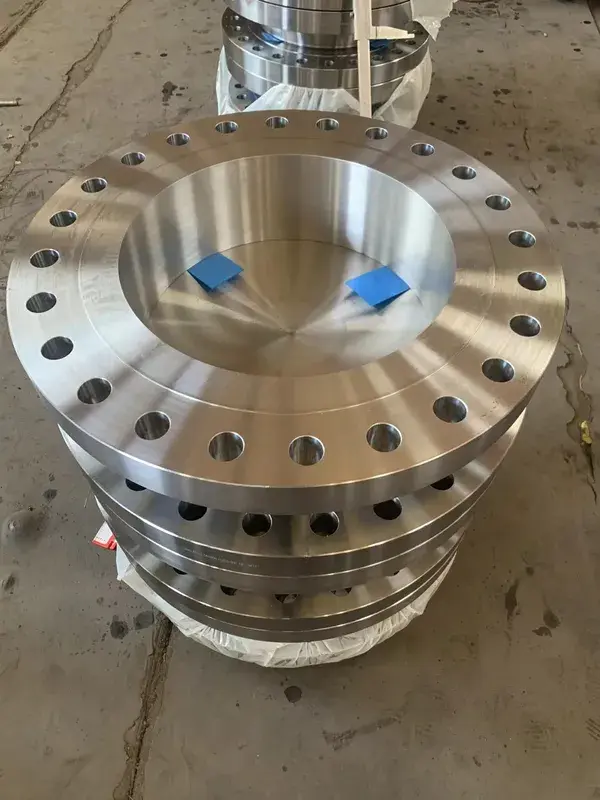
Outside diameter (OD), bolt circle diameter (BCD), number and size of bolt holes, flange thickness, and hub geometry are some important dimensions of a weld neck flange. The bolt circle diameter decides where the fasteners go and how the load is distributed. The outer diameter sets the overall flange footprint and determines which parts will fit.
The bore diameter, the hub length, and the taper angle, which sets the profile of the transition, are all parts of the hub dimensions. Specific manufacturing tolerances in the relevant standards make sure that measurements are always the same, but they also allow for differences in how things are made in the real world. Because each size and pressure class is different, tolerances can be anywhere from ±1/16 inch for small flanges to ±1/8 inch for large ones.
Rules for measuring and comparing sizes
ANSI/ASME standards for weld neck flanges are most often used in North American markets. Sizes are given in inches, and raised faces are the default for these standards. When you buy things from other countries, keep in mind that European ISO standards use metric measurements, which have different bolt patterns and face configurations that you may need to give some thought to.
In addition to standard requirements, the choice of dimensions is affected by the needs of the application. In situations where temperatures are high, the hub might need to be longer to account for how much it will expand when it gets hot. When used in places that are corrosive, the face may need special finishes, or the bolt hole patterns may need to be changed so that a protective coating can be put on it.
What Dimensions Have to Do With Performance
How dimensions relate to each other has a direct effect on mechanical performance traits like how stress is distributed, how long it lasts, and how well it holds pressure. When you compare the hub taper geometry to other flange types that have sharp transitions, you can see that it makes a smooth load transition that lowers stress concentration factors.
If you pick the right sizes for a weld neck flange, the root opening and included angle parameters will be correct during installation, which will ensure the best quality of the weld joint. The hub's strength and how easy it is to weld are both affected by the relationship between its length and thickness. This is especially true in industrial settings with limited space.
Learning about pressure ratings and how they affect the choice of flange
How Much Pressure Can a Weld Neck Flange Handle?
Pressure ratings tell you the highest pressure that flanged connections can handle at certain temperatures. They are usually given as pressure classes like 150, 300, 600, 900, 1500, and 2500. These categories show how well the part can safely withstand internal pressure while keeping its structural integrity when it's working normally.
The type of material has a big effect on the pressure rating. For example, carbon steel, stainless steel, and speciality alloys all have different strengths at high temperatures. Pressure and temperature are related in a way that makes a derating curve. As the operating temperature rises, the maximum allowable pressure falls. This curve needs to be carefully looked at during the system design stages.
How Pressure Ratings Make Sure Systems Are Safe?
Hydrostatic testing, material property verification, and dimensional inspection procedures for a weld neck flange are all part of strict testing protocols that back up pressure rating claims. Manufacturers must show they are following the rules by having written quality systems that keep track of certifications for materials, production processes, and final inspection results.
When figuring out a pressure rating, safety factors are used to make sure there is enough room above normal operating conditions to account for changes in pressure, temperature, and the material's long-term properties. Depending on the application and the code that applies, these margins are usually between 3:1 and 4:1.
How to Pick the Best Pressure Level for Your Needs?
To choose the right pressure rating, you need to look at the maximum operating pressure, temperature ranges, fluid properties, and environmental factors. When using corrosive media, you might need to upgrade the materials, which can change the pressure ratings that are available. Also, when using temperature cycling applications, you need to think about how thermal fatigue can affect the long-term performance.
When economic optimization is done, initial cost concerns are weighed against the need for long-term reliability. Over-specification makes it more expensive to buy things that aren't needed, and under-specification can lead to safety problems and expensive repairs that are needed right away. The initial savings from lower component costs are far outweighed by these problems.
Looking at Weld Neck Flanges vs. Other Types of Flanges to Find the Best Use
Slip-On Flange vs. Weld Neck Flange
Weld neck flange and slip-on designs are structurally different, which leads to different performance characteristics that affect which applications are best suited. Weld neck designs with a hub configuration offer better fatigue resistance through gradual stress transitions. Slip-on alternatives make installation easier but have lower pressure ratings.
Comparing the pressure-handling capacities of different weld neck configurations shows that they are much better, especially in high-temperature situations where thermal stress becomes a problem. The butt weld connection gets rid of cracks that can hold corrosive deposits. This is why weld neck designs are better for chemical services that are harsh.
Blind and Threaded Flanges vs. Weld Neck Flanges
Differentiating between these types of flanges based on their functions is easy to see in application scenarios. Blind flanges can be used to close off piping systems permanently or temporarily, and threaded connections can be used for low-pressure, small-diameter jobs where welding might not be possible or isn't allowed.
Different design approaches have very different sealing benefits. When dynamic loading conditions are present, a weld neck flange provides the most reliable sealing performance. The integral hub design keeps the gasket from deflecting when the bolts are loaded, better than other designs that break the structural continuity.
Things to Think About When Choosing a Flange Type
Material choices are based on how resistant they need to be to corrosion, which affects both performance and cost. Some types of stainless steel, like 316L, are very resistant to chloride environments. On the other hand, duplex alloys are stronger for high-pressure uses in aggressive media.
Different types of flanges have different material properties and availability that depend on how they were made. Forged construction usually has better mechanical properties than cast alternatives. Welded assemblies, on the other hand, may have heat-affected zones that need careful metallurgical evaluation for important uses.
How to put weld neck flanges together, how to weld them, and how to keep them from rusting?
How to Correctly Join Weld Neck Flanges?
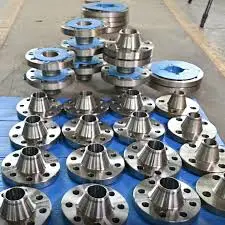
As part of getting ready for the installation of a weld neck flange, check the material to make sure it fits right and clean the surface. This will ensure the best quality weld joint. Beveling pipe ends and flange hubs the right way is the first step to successful welding. Strict rules about cleanliness keep the area free of things that could damage the joint.
The qualified welding procedure specifications (WPS) tell us how much heat to use, how hot the passes should be, and what needs to be done after the weld. If you do the root pass right, it makes sure that the metal is fully pushed through and joined. Then, the fill and cap passes make the weld profile that is needed and give it the right mechanical properties.
Specifications for the Welding Procedure (WPS) to Meet Industry Standards
By testing representative samples destructively, qualified welding procedures give written proof that the mechanical properties are good enough. These steps show you how to weld, what materials you'll need, and some important things that will affect the quality and performance of the joint.
Quality control measures for a weld neck flange include checking the item's appearance, making sure it fits correctly, and using non-destructive testing methods like X-rays or ultrasounds. Documentation needs to show the parameters of the welding, the qualifications of the inspector, and the acceptance criteria. This is to make sure that rules are followed and that the work will last.
Making things less likely to rust
Strategies for picking materials: think about how strong they need to be, how much they cost, and how resistant they are to corrosion. Things can last longer in harsh environments if they have protective coatings on them, and good design gets rid of cracks and other places where water can pool and cause corrosion in certain areas.
As part of maintenance programs, things should be inspected regularly, protective coatings should be renewed, and replacements should be planned. Plans for replacement should be based on how much corrosion has been seen and how thick the material is still. By planning replacement cycles, these proactive methods cut down on the number of breakdowns that happen out of the blue and lower the cost of maintenance.
Conclusion
Knowing how big and how much pressure weld neck flanges can handle is crucial for safe, legal, and long-lasting projects. Describe the item's size, strength, compatibility, and assembly to ensure its longevity. When these are in place, the system works better, people follow the rules, and business is cheaper. Learning these specs will save them money and increase project success. They guarantee top-notch work.
FAQ
Q1: What factors determine the right weld neck flange dimensions for a project?
A: Pipe size, pressure requirements, temperature conditions, and applicable standards determine dimensional selection. ASME B16.5 provides standardised dimensions for most applications, while special requirements may necessitate custom sizing to accommodate specific installation constraints or performance objectives.
Q2: How do I verify that a weld neck flange meets industry pressure ratings?
A: Material test certificates, dimensional inspection reports, and hydrostatic testing documentation provide verification of pressure rating compliance. Reputable manufacturers provide comprehensive certification packages that include material traceability, manufacturing records, and third-party inspection results.
Q3: Can weld neck flanges be used in high-temperature and corrosive environments?
A: Yes, proper material selection and design considerations enable successful application in extreme service conditions. Stainless steel and speciality alloy options provide excellent corrosion resistance, while elevated temperature ratings accommodate thermal cycling and sustained high-temperature operation when properly specified and installed.
The company you can trust to make good weld neck flanges is JS Fittings
JS FITTINGS, a trusted name in weld neck flanges, has been producing high-quality flanged parts for over 40 years. Located at Hebei Jinsheng Pipe Fitting Manufacturing Co., Ltd., the company is known for its precision manufacturing, using advanced tools and techniques to meet tough industrial demands.
JS Fittings follows international standards like ISO 9001, CE, and GOST-R to ensure the highest quality. Its production process includes precise forging and machining on state-of-the-art lines, with strict quality control systems in place to check for pressure testing, material properties, and accurate measurements. The company offers a range of materials, including A105 carbon steel, A350 LF2, 304/316/316L stainless steel, duplex 2205, and special alloys for harsh conditions. Rigorous testing ensures each material meets chemical, mechanical, and corrosion resistance standards.
JS Fittings excels in providing customised solutions, offering dedicated engineering support to meet unique customer needs. The company collaborates closely with clients on material selection, design, and cost-effective manufacturing techniques.
Serving markets across Asia, the Middle East, South America, and Europe, JS Fittings delivers reliable, high-quality products on time. With years of experience, the company ensures compliance with regulations and long-term performance. For more information or to discuss your project, email admin@chinajsgj.com.
References
1. American Society of Mechanical Engineers. ASME B16.5-2020: Pipe Flanges and Flanged Fittings NPS 1/2 through NPS 24 Metric/Inch Standard. New York: ASME Press, 2020.
2. European Committee for Standardization. EN 1092-1:2018 Flanges and Their Joints - Circular Flanges for Pipes, Valves, Fittings and Accessories, PN Designated - Part 1: Steel Flanges. Brussels: CEN, 2018.
3. American Petroleum Institute. API Specification 6A-2019: Specification for Wellhead and Tree Equipment. Washington, DC: API Publishing Services, 2019.
4. International Organization for Standardization. ISO 7005-1:2011 Metallic Flanges - Part 1: Steel Flanges. Geneva: ISO Press, 2011.
5. Bickford, John H. and Nassar, Sayed. Handbook of Bolts and Bolted Joints. 2nd Edition. Marcel Dekker, 2018.
6. Harvey, John F. Theory and Design of Pressure Vessels. 4th Edition. Chapman & Hall, 2021.